Ten of Swords Tarot Card
Yes or No: No
The Ten of Swords delivers an unambiguous no — the situation you are asking about has reached its conclusion or will not proceed as you hope. However, this no contains a paradoxical mercy: by confirming that this particular door is closed, the card simultaneously confirms that you are free to stop knocking on it. The energy you have been directing toward this question can now be redirected entirely. The no is final, but the finality itself is the gift.
I lay down every exhausted thought, every fought-and-lost battle, and I trust the golden light that waits at the edge of this ending to guide what I build next.
Element
Air
Free Ten of Swords Reading
Premium AI Reading
Understanding Ten of Swords
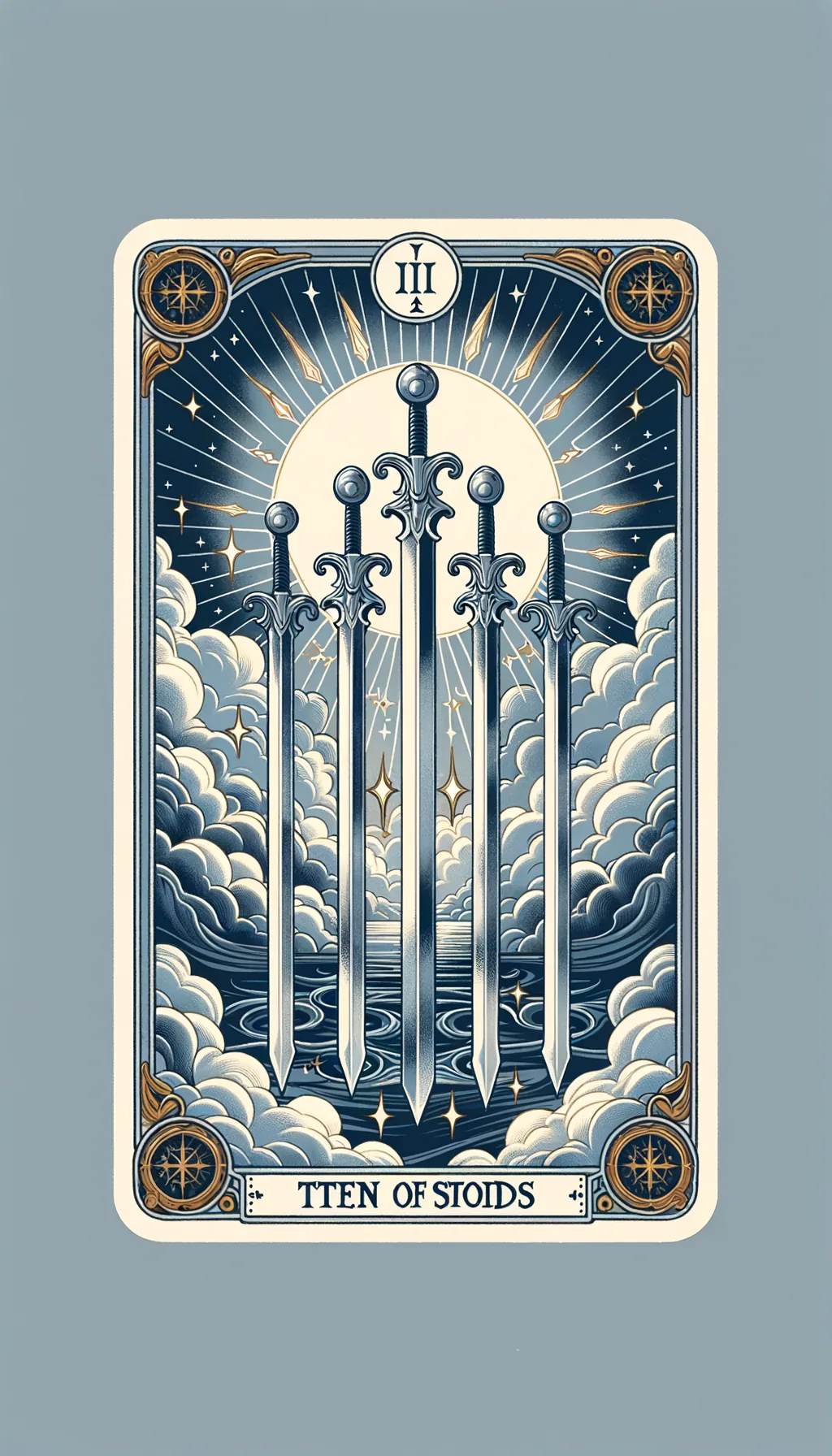
In the Rider-Waite-Smith deck, Pamela Colman Smith painted one of tarot's most viscerally arresting images: a prone figure lies face-down on barren ground, ten swords plunged into their back from neck to legs, their red cloak draped over the lower body while a black sky hangs above. Yet Smith included a crucial detail that many readers overlook — the figure's right hand forms a benediction gesture, two fingers extended in the same sacred mudra depicted on the Hierophant's raised hand. This is not random suffering; this is conscious surrender. The distant horizon glows with unmistakable golden light, a thin band of dawn that Waite himself described as 'the end of a delusion' rather than the end of hope. The Ten of Swords completes the intellectual ordeal that began with the Ace's double-edged clarity and escalated through the Nine's nightmare vigil. Where the Nine of Swords depicted mental anguish in isolation — sitting upright in bed, tormented by thoughts — the Ten depicts what happens when you finally lie down and stop fighting those thoughts entirely. Astrologically linked to the Sun in Gemini in the Golden Dawn system, this card carries a paradox: the most illuminating celestial body operating through the most mentally restless sign, suggesting that devastating clarity arrives precisely when the mind's endless strategizing collapses under its own weight. The Golden Dawn titled it 'The Lord of Ruin,' but ruin here functions as the Latin 'ruina' — a falling down, a dismantling of structures. As the final numbered card in the Swords suit, it represents not perpetual torment but the merciful exhaustion of mental suffering, the moment when overthinking, denial, and intellectual resistance have genuinely nothing left to sustain them.
Symbolism & Imagery
overview
The ten swords themselves are methodically placed along the figure's spine, suggesting a systematic rather than chaotic destruction — each sword representing a distinct thought pattern, belief, or mental construct that has reached its terminal point. Smith depicted the blades piercing in a deliberate vertical line, evoking the image of a spine being deconstructed vertebra by vertebra, as though the very framework that held this person upright has been dismantled. The black sky occupies roughly two-thirds of the card's upper portion, but it gives way to a band of brilliant saffron and gold along the horizon — not merely 'hope' in the abstract, but the literal astronomical fact that dawn follows darkness on a fixed schedule. The still, dark water in the background connects this card to the unconscious realm and emotional depths, while the flat, featureless ground suggests a landscape stripped of all pretense and ornamentation. The red cloak draped from the figure's waist downward preserves the root chakra's vitality — passion, survival instinct, and life force remain intact even as the intellectual superstructure collapses. The benediction hand gesture is Smith's most subversive inclusion: even in apparent death, the figure blesses their own experience, performing the same sacred sign that priests use to consecrate. The body lies parallel to the horizon line, creating a visual axis between the darkness overhead and the golden light ahead, positioning the fallen figure as a literal bridge between ending and beginning.
Ten of Swords Upright
The Ten of Swords upright appears when a situation has been driven to its absolute conclusion — not slowly winding down, but definitively ended. In practical readings, this card frequently surfaces during betrayals where the truth finally emerges in full, during layoffs or firings that end months of workplace tension, during the final conversation that officially ends a relationship, or during the moment when a long-denied reality becomes impossible to ignore. The critical insight is that the Ten of Swords does not depict ongoing suffering; it depicts the end of suffering. The swords are already embedded — the act is complete, finished, past tense. What remains is the aftermath, and the aftermath contains that unmistakable golden horizon. When this card appears, stop trying to resuscitate what has clearly died. Stop analyzing whether you could have prevented this outcome. The mental loops that characterize the Swords suit — the anxiety of the Nine, the paralysis of the Eight, the deception of the Seven — have exhausted themselves. You are experiencing what Zen practitioners call 'the great death,' the collapse of an identity or worldview that, however painful, creates genuine spaciousness. Rock bottom has a concrete floor: you can stand on it. The Ten of Swords asks you to notice that you are still breathing, still conscious, still forming that benediction with your hand. The worst-case scenario you dreaded has arrived, and you survived it.
Love & Relationships
In romantic readings, the Ten of Swords typically marks the definitive end of a relationship or the final revelation of a betrayal — discovering infidelity through undeniable evidence, hearing the words 'I don't love you anymore' spoken plainly, or reaching the argument where both people recognize that repair is impossible. This is not the Three of Swords' initial heartbreak; this is what happens after months or years of accumulated wounds finally reach critical mass. The card often appears when someone has stayed in a deteriorating relationship far longer than they should have, enduring the Seven's deceptions and the Nine's sleepless anxiety until the structure simply cannot hold. For singles, the Ten of Swords frequently indicates the death of a romantic fantasy — releasing attachment to someone who was never going to reciprocate, or abandoning the idealized version of a past partner that has been preventing new connection. The liberation embedded in this card is real: once you stop performing CPR on a dead relationship, your emotional energy returns in surprising quantities.
Career & Work
Professionally, the Ten of Swords describes scenarios where the finality is unmistakable: the company folds, the contract is terminated, the project is cancelled despite your best efforts, or workplace politics result in your removal. This card commonly appears when someone has been clinging to a deteriorating professional situation — ignoring warning signs, tolerating toxic management, or staying in a role that stopped serving their growth years ago. The Ten signals that the decision has been made for you. Unlike the Tower, which strikes without warning, the Ten of Swords completes a visible trajectory — the signs were present in earlier Swords cards' anxieties and conflicts. In entrepreneurial readings, this card can indicate a business venture that has genuinely failed and needs to be closed rather than propped up with more resources. The career that follows this ending is often radically different from what preceded it, because the Ten strips away not just the job but the entire professional identity that was built around it.
Finances
The Ten of Swords in financial readings indicates the moment when losses are fully realized — investments that have completely lost value, debts that can no longer be serviced, or the culmination of poor financial decisions reaching their final consequence. This card can correspond to bankruptcy filings, foreclosures, or the acknowledgment that a financial strategy has categorically failed. The critical message is that continuing to pour resources into a losing position only prolongs the agony. Accept the loss in its totality, because the clarity that follows honest financial accounting — however brutal — provides the actual foundation for rebuilding.
Health
In health readings, the Ten of Swords often correlates with the physical consequences of prolonged mental stress finally manifesting as a health crisis — the burnout that leads to collapse, the anxiety disorder that becomes debilitating, or the chronic pain condition that forces a complete lifestyle overhaul. This card can indicate receiving a difficult diagnosis that paradoxically brings relief because it finally explains persistent symptoms. The body has been sending signals through earlier Swords cards, and the Ten represents the moment when ignoring those signals becomes physically impossible. Recovery begins with surrender to the body's actual needs.
Ten of Swords Reversed
The Ten of Swords reversed presents two distinct and almost opposite interpretations that depend entirely on surrounding cards and the querent's situation. The first and most common meaning is genuine recovery — you are pulling the swords from your back one by one, standing up after devastation, finding that your legs still work. This is the phoenix beginning to stir in the ashes, not yet airborne but undeniably alive. You may be experiencing the early, tentative phase of healing where you test whether the ground beneath you is stable enough to support your weight. The scars remain visible, but the bleeding has stopped. The second meaning is more cautionary: a refusal to accept that something is truly over. The reversal can indicate someone who keeps replaying their devastation, who has made their wound into an identity, who returns obsessively to the scene of the crime hoping to find evidence that it wasn't as final as it appeared. In this expression, the Ten reversed depicts the person who stays lying on the ground long after the swords have dissolved, not because they cannot rise but because rising means accepting the new reality. It can also indicate a close call — narrowly avoiding the worst-case scenario, or experiencing a less severe version of the devastation the upright card promises. Perhaps the betrayal was discovered before it could cause maximum damage, or the financial collapse was averted at the last moment through intervention.
Love & Relationships
In love readings, the reversed Ten of Swords frequently indicates someone who is beginning to date again after a devastating breakup or betrayal but carries visible wariness. They may test potential partners excessively, expecting the worst, or they may find themselves surprisingly ready to connect because the pain taught them exactly what they will and will not accept. Alternatively, this reversal can depict the troubling pattern of returning to a partner who has already caused maximum harm — the person who takes back someone after infidelity not from genuine forgiveness but from fear of the unknown. The reversed Ten asks: are you rising because you've healed, or are you crawling back to familiar wreckage because standing upright feels too exposed?
Career & Work
Professionally reversed, the Ten of Swords indicates recovery from career catastrophe — rebuilding a reputation after a public failure, finding unexpected employment after believing your professional life was over, or discovering that the skills you developed in your previous role transfer to something entirely new. This reversal can also indicate clinging to a professional identity that has already been invalidated, sending applications to the same type of role that destroyed you, or refusing to acknowledge that your industry has fundamentally changed. The distinction matters: genuine professional reinvention versus compulsive repetition of patterns that already proved unsustainable.
Finances
Financially, the reversed Ten of Swords suggests slow but steady recovery from monetary problems. You're learning to manage money more wisely based on past mistakes, gradually paying off debts, or rebuilding savings after losses. This card indicates growing financial resilience and the wisdom to avoid repeating past errors. However, it can also warn against ignoring ongoing financial problems or making the same mistakes in smaller ways.
Health
For health, the reversed Ten of Swords indicates gradual recovery from stress-related illness or the early stages of healing. You're beginning to address mental health concerns, reduce stress levels, or recover from physical ailments caused by prolonged strain. This card suggests growing awareness of your health needs and the slow process of rebuilding wellness. However, it cautions against ignoring ongoing health issues or expecting instant recovery from stress-related problems.
Ten of Swords: Yes or No?
The Ten of Swords delivers an unambiguous no — the situation you are asking about has reached its conclusion or will not proceed as you hope. However, this no contains a paradoxical mercy: by confirming that this particular door is closed, the card simultaneously confirms that you are free to stop knocking on it. The energy you have been directing toward this question can now be redirected entirely. The no is final, but the finality itself is the gift.
Ten of Swords Combinations
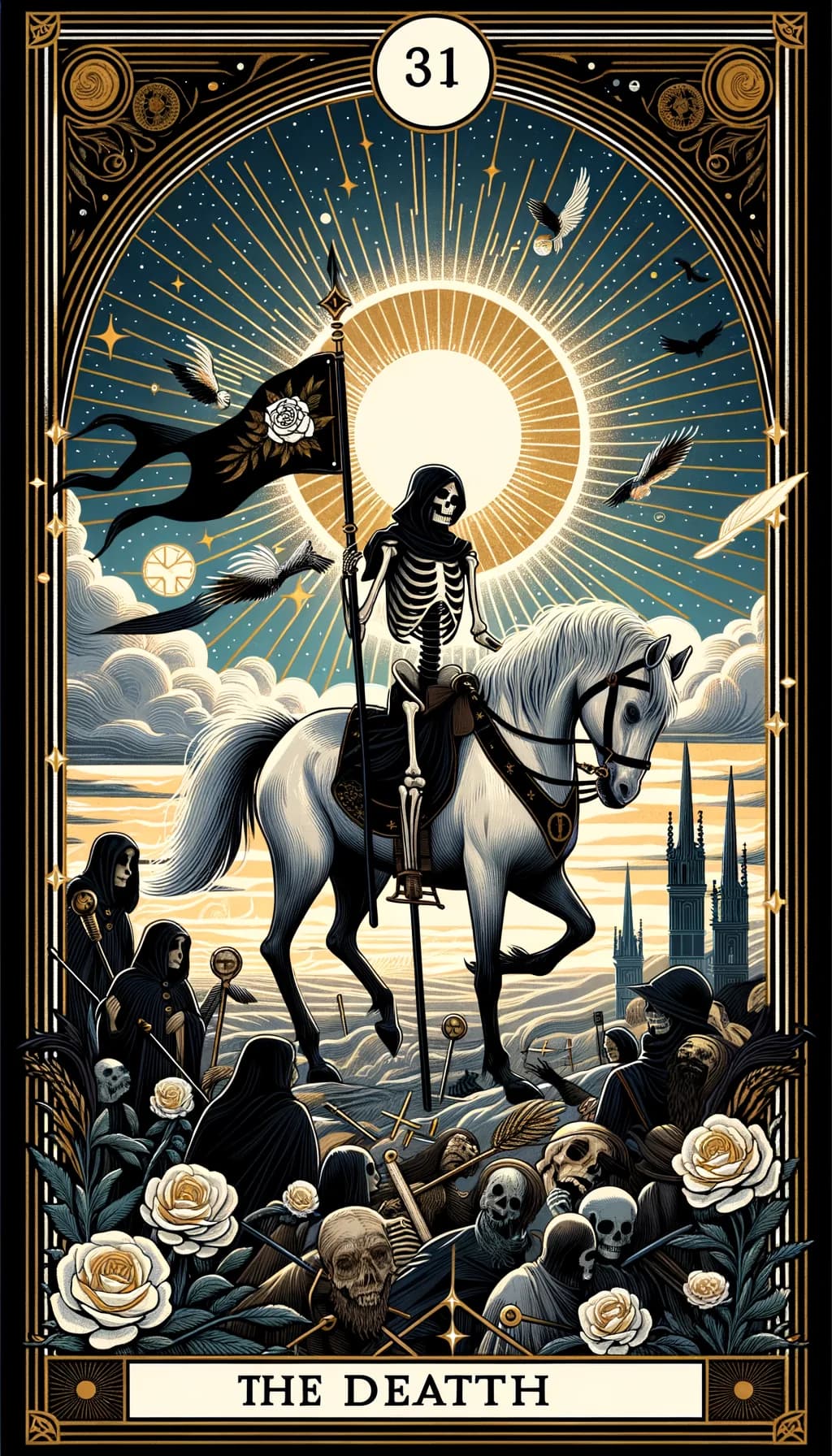
Two cards of absolute ending appearing together eliminate any ambiguity — this situation is irrevocably finished. But the pairing also doubles the regenerative promise, since both cards contain explicit imagery of dawn and renewal. Together they indicate that this ending is not punishment but evolutionary necessity, the kind of complete dissolution that precedes genuine metamorphosis rather than superficial change.
Read full combination →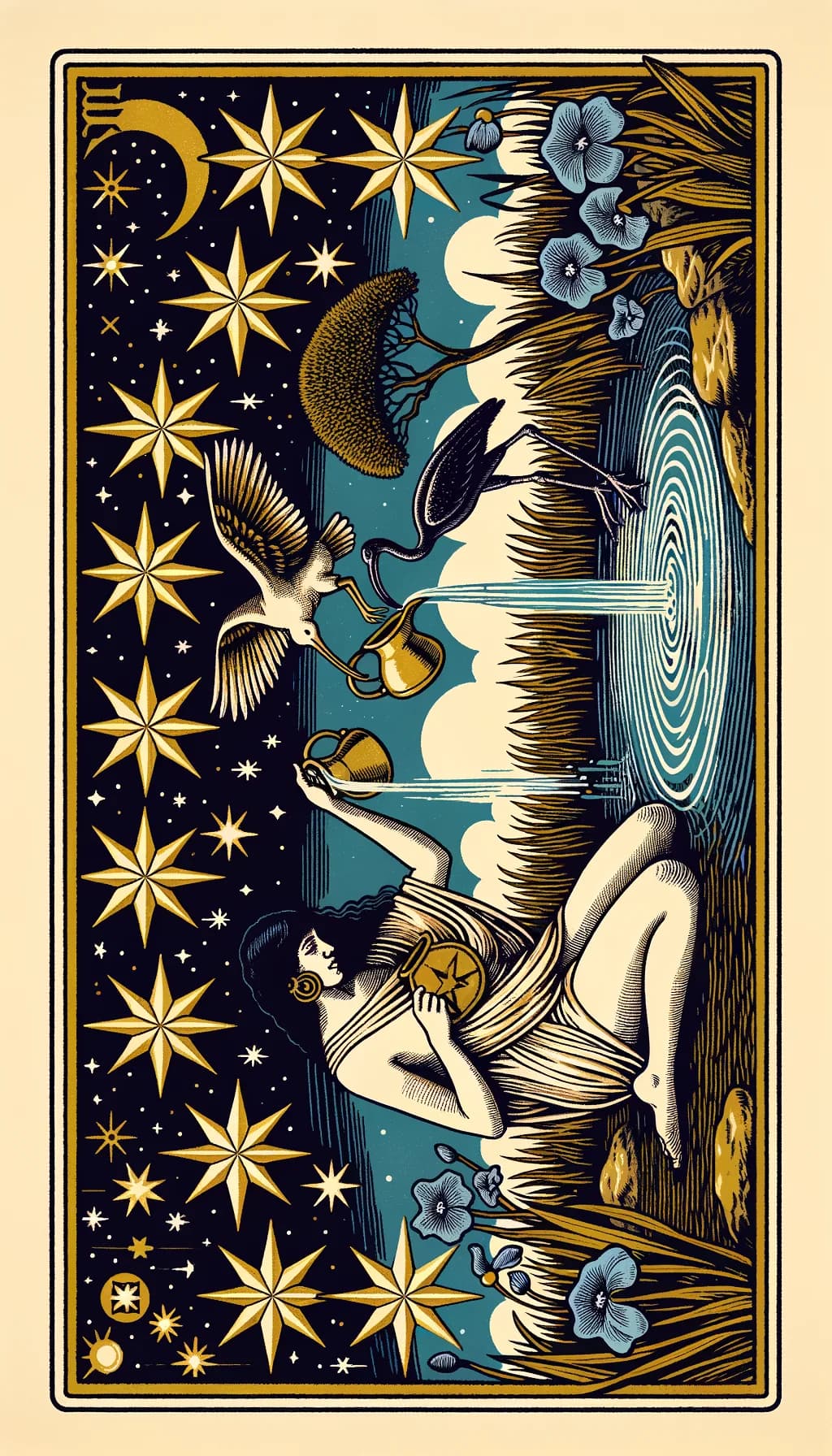
This is one of tarot's most powerful healing combinations. The Star pours its restorative water directly onto the wounds left by the Ten's swords, suggesting that hope and spiritual renewal arrive precisely at the point of greatest devastation. Expect unexpected comfort, serendipitous support, or a moment of transcendent clarity that reframes the catastrophe as the beginning of your most authentic chapter.
Read full combination →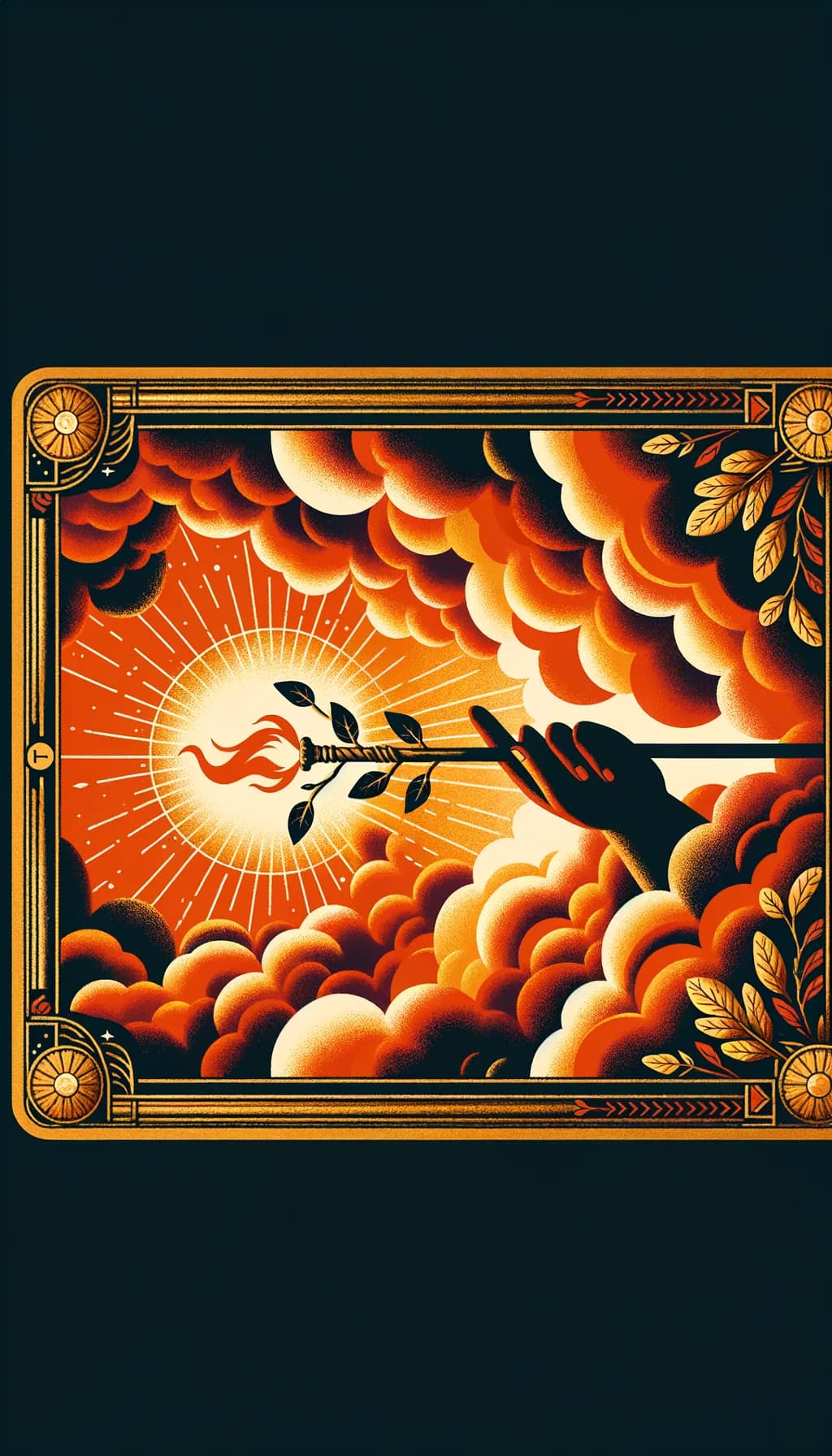
A dramatic pivot from ending to creative ignition. The Ten of Swords clears the mental battlefield completely, and the Ace of Wands drops a spark of pure inspiration into the empty space. This pairing often appears when a devastating ending in one area of life catalyzes an entirely new creative or entrepreneurial venture — the fired employee who starts the business they always dreamed about.
Read full combination →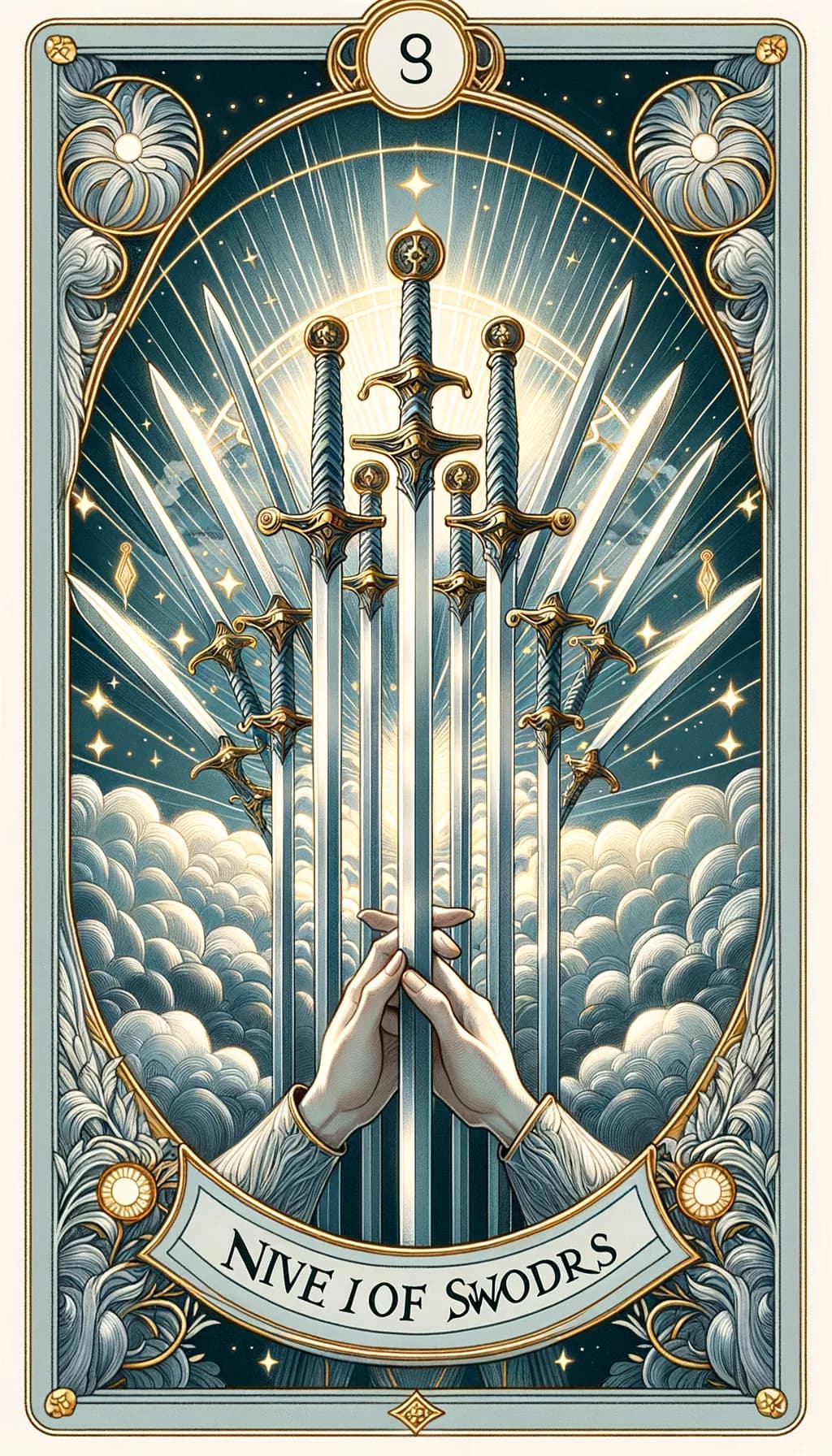
The Nine and Ten appearing together trace the full arc from anxiety to its resolution. The Nine's tortured mental loops — the 3 AM catastrophizing, the fears that won't release their grip — finally exhaust themselves in the Ten's surrender. This combination confirms that the worry was not unfounded but that its purpose has been served. The crisis the Nine feared has either arrived or passed, and the mental torment can now genuinely stop.
Read full combination →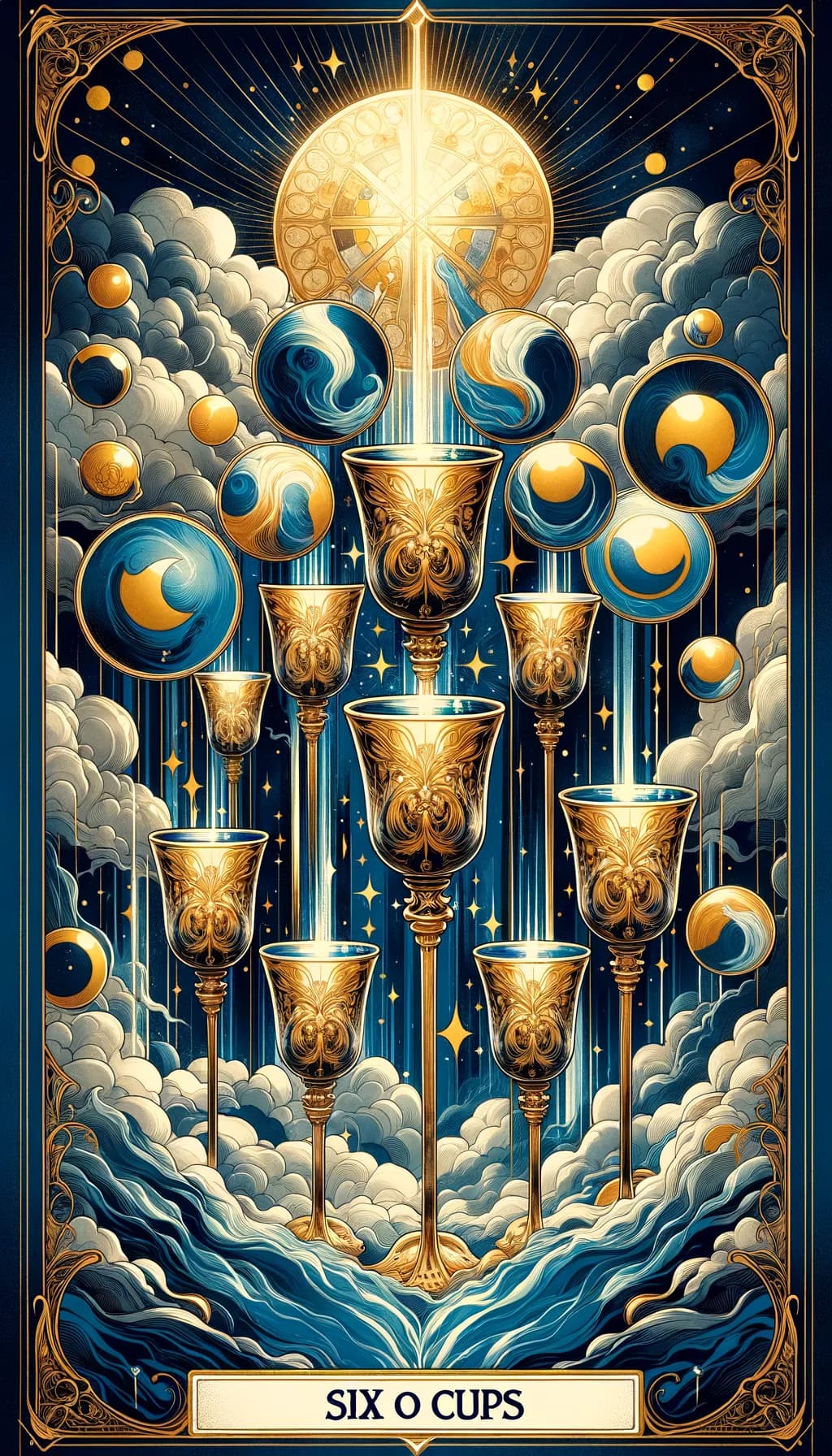
This unusual pairing suggests that the ending depicted by the Ten of Swords is connected to childhood patterns, family dynamics, or nostalgic attachments that have run their course. The Six of Cups' innocent, backward-looking energy meets the Ten's finality, indicating that a connection rooted in shared history — perhaps a childhood friendship, a hometown, or a family role you've played since youth — has reached its natural conclusion.
Read full combination →Journal Prompts for Ten of Swords
Write about a time when something you experienced as devastating ultimately freed you to pursue something far more aligned with who you actually are — what specifically became possible only because the old situation ended completely?
Identify the specific mental patterns, beliefs, or narratives that the Ten of Swords is asking you to let die right now — which thoughts have you been keeping alive through sheer repetition despite evidence that they no longer serve you?
If you accepted that the worst has already happened in your current difficult situation, what would you do differently tomorrow morning — how would your choices, energy, and attention shift if you stopped bracing for impact and started rebuilding?
Reading Insights for Ten of Swords
Card Advice
When the Ten of Swords appears in a spread, first assess where it falls in the reading's narrative. As a past-position card, it confirms that the querent has already survived their worst moment and everything that follows builds from that foundation. In the present position, it names the current crisis directly — do not soften this card's message, because the querent likely already knows their situation is dire and needs validation, not false comfort. In a future position, it warns that a current trajectory will reach a definitive end, giving the querent time to prepare emotionally rather than being blindsided. Pay attention to which direction the figure faces relative to other cards — cards appearing near the golden horizon side represent what comes after the ending, while cards near the dark sky represent what caused it. Always check for the presence of Cups or Wands cards nearby, as these dramatically alter the emotional and creative context of the ending. The single most common misreading of the Ten of Swords is treating it as a card of ongoing suffering rather than completed suffering. Emphasize to querents that the swords are already in the back — the act happened, it is over, and they are now in the aftermath where healing becomes possible.
As an Outcome
As an outcome, the Ten of Swords suggests that current struggles will reach their natural conclusion, bringing relief and the opportunity for a fresh start. The worst will be over, and genuine renewal becomes possible. While the ending may feel more dramatic or painful than anticipated, it carries within it the seeds of liberation. The mental burdens you have been carrying — the worry, the conflict, the resistance to inevitable change — will finally be laid to rest, leaving you lighter, clearer, and ready to build something entirely new from the ground up.
Ten of Swords as a Person
The Ten of Swords personality is the phoenix archetype — someone who has experienced catastrophic endings or betrayals and has been fundamentally reshaped by that experience. This person carries a quiet gravitas born from surviving what they once believed was unsurvivable. At their best, they possess extraordinary resilience and the rare ability to help others through their own rock-bottom moments with genuine understanding rather than platitudes. Their life story often features dramatic turning points where apparent destruction revealed itself as necessary clearing, and they have learned to trust the process of endings as the precursor to authentic new beginnings.
Draw Ten of Swords in Your Reading
Ready to see how Ten of Swords appears in context? Get a personalized AI-powered tarot reading now.