Five of Cups Tarot Card
Yes or No: No
The Five of Cups indicates that disappointment or loss surrounds your question, and the outcome you desire is unlikely in its current form. However, this 'no' carries a crucial caveat: the two standing cups suggest that while this specific hope may not materialize, something of value persists in the situation. If your question involves whether to release something painful or move past a loss, the answer shifts toward yes — the card supports the decision to grieve and move forward.
I give myself full permission to grieve what has been lost, knowing that when I am ready to turn around, something precious still stands waiting for me.
Element
Water
Free Five of Cups Reading
Premium AI Reading
Understanding Five of Cups
In the Rider-Waite-Smith deck, Pamela Colman Smith painted one of tarot's most psychologically penetrating images: a black-cloaked figure stands before three overturned cups, their contents spilling across barren ground, while two upright cups remain behind the mourner's back — unseen, unacknowledged. This compositional choice is deliberate and brilliant. Smith forces the viewer to see what the figure cannot: that loss and remaining abundance coexist in the same frame. The distant bridge spanning a river toward a small house or castle completes the narrative architecture — the path home exists, but the figure's grief-bent posture and hooded gaze prevent them from perceiving it. Arthur Edward Waite described this card in the Pictorial Key as depicting 'a dark, cloaked figure, looking sideways at three prone cups; two others stand upright behind him; a bridge is in the background, leading to a small fortification or hamlet.' His divinatory meanings centered on loss, but also 'that which is not lost' — an essential duality the card embodies. In the numerological framework, fives represent the destabilizing midpoint of each suit's journey: after the stability of the Four of Cups' contemplative stillness, the Five shatters complacency through emotional crisis. Mars in Scorpio, the traditional astrological attribution in the Golden Dawn system, intensifies this reading — Mars brings the wound, Scorpio demands that we descend into its depths rather than bypass the pain. This is not passive sadness but active confrontation with loss. The Five of Cups teaches that grief is not the opposite of resilience but its prerequisite, and that the refusal to mourn is the true obstacle to emotional recovery.
Symbolism & Imagery
overview
The three overturned cups in the foreground dominate the visual field precisely because they dominate the mourner's attention — Smith used their prominent placement to mirror the psychological phenomenon of negativity bias, where losses loom larger than equivalent gains. The red and green liquid spilling from them suggests both passion (red) and growth (green) that have been lost or wasted. The two standing cups positioned directly behind the figure carry equal symbolic weight despite receiving none of the figure's attention; their gold color suggests enduring value. The heavy black cloak serves a dual function: it represents the necessary cocoon of grief while simultaneously acting as blinders that restrict peripheral awareness. The river flowing beneath the stone bridge represents the emotional undercurrent that connects the mourner's present isolation to the fortified dwelling on the far bank — shelter, stability, and community still exist across the water. The bridge itself, solid and made of stone rather than wood, indicates that the path forward is structurally sound and permanent, not a fragile or temporary option. The landscape is notably flat and sparse around the figure but becomes greener near the distant settlement, suggesting that emotional fertility returns as one moves through grief rather than remaining fixed in it. The overcast sky creates a liminal atmosphere — neither full darkness nor light — capturing the ambiguous territory between despair and recovery.
Five of Cups Upright
The Five of Cups appears when you are experiencing genuine emotional loss that demands acknowledgment before any forward movement becomes possible. This is the card of the parent processing a miscarriage, the entrepreneur watching a startup dissolve, the student receiving a rejection letter from their dream school, or anyone confronting the painful gap between expectation and reality. The card's central teaching is not that grief is wrong but that grief can become an identity if we refuse to eventually lift our gaze. In readings, pay close attention to what surrounds this card: it tells you what the 'two standing cups' represent in the querent's specific situation. The Five of Cups frequently appears for people who experienced childhood emotional neglect and learned to fixate on what was missing rather than what was present — a deeply ingrained pattern that extends into adult relationships and professional life. The bridge in the background is not merely decorative; it indicates that a concrete, viable path forward already exists in the querent's circumstances. The card asks a direct question: how long will you stare at what has spilled before turning to see what remains? This is not a dismissal of grief but a recognition that mourning has a natural arc, and resistance to completing that arc creates suffering far beyond the original loss. The key distinction the Five of Cups draws is between grief as process and grief as permanent residence.
Love & Relationships
In love readings, the Five of Cups most often appears during the acute phase following betrayal, breakup, or the discovery that a partner is fundamentally different from who you believed them to be. This card frequently surfaces for people processing infidelity, where the three spilled cups represent trust, shared history, and future plans that have been destroyed. For singles, it indicates someone still emotionally tethered to an ex-partner or past heartbreak, making genuine availability to a new connection impossible. The two standing cups may represent a supportive friendship that could deepen, self-love that needs reclamation, or a current partner's genuine qualities being overlooked while you fixate on their shortcomings. If you are in a relationship experiencing disappointment, this card asks whether you are mourning an idealized version of your partner that never truly existed. The bridge suggests that reconciliation or new love is structurally possible, but only after you have fully processed the emotional loss rather than burying it beneath premature forgiveness or rebound relationships.
Career & Work
Professionally, the Five of Cups signals specific career disappointments: being passed over for a promotion that went to a less qualified colleague, watching a project you invested months in get cancelled, losing a key client or contract, or experiencing a public professional failure that feels humiliating. The card's energy is particularly relevant for perfectionists and high achievers who derive identity from professional success — for them, career setbacks feel existential rather than situational. The two standing cups behind the figure may represent transferable skills, professional connections that remain loyal, or alternative career paths you have dismissed because they did not match your original plan. This card often appears for people who need to grieve an earlier career vision before they can embrace an unexpected but ultimately more fulfilling professional direction. The bridge indicates that your next professional chapter requires crossing unfamiliar territory — perhaps a lateral move, industry change, or period of retraining that initially feels like regression but ultimately leads to greater alignment.
Finances
Financially, the Five of Cups appears after tangible monetary losses: a failed investment, unexpected medical bills that drained savings, a business partnership that dissolved leaving debts, or gambling losses. The card acknowledges the legitimate grief that accompanies financial setbacks while warning against catastrophic thinking. The two upright cups represent remaining financial assets you may be overlooking — perhaps retirement accounts still intact, marketable skills, or a support network willing to help. This card urges a realistic audit of both losses and remaining resources before making any further financial decisions from a place of panic.
Health
In health readings, the Five of Cups often points to grief's direct impact on physical wellbeing — the insomnia, appetite changes, immune suppression, and chronic fatigue that accompany prolonged mourning or depression. It may indicate a health diagnosis that has shattered your sense of physical security, requiring you to grieve your previous state of health before adapting to new realities. The card also appears for those neglecting their physical health because emotional pain consumes all available energy, suggesting that addressing the underlying grief is itself a health intervention.
Five of Cups Reversed
The Five of Cups reversed captures two distinct but equally important psychological states, and surrounding cards determine which applies. In its most healing expression, this reversal depicts the literal turning point in grief — the moment when the mourner's head begins to lift, peripheral vision returns, and the two standing cups finally enter awareness. This is the card of post-traumatic growth, where loss has been metabolized into wisdom rather than bitterness. You may be reaching out to friends again, considering therapy, or simply waking up one morning and noticing that the weight has shifted slightly. However, the Five of Cups reversed carries a shadow meaning that readers must not ignore: it can indicate premature emotional bypass, where someone declares themselves 'over it' without having genuinely processed their grief. This manifests as toxic positivity, spiritual bypassing, or the kind of forced cheerfulness that eventually collapses into deeper depression. In some readings, this reversal signals someone who refuses to acknowledge loss at all — maintaining that everything is fine while their emotional foundation crumbles. The reversed Five of Cups can also indicate wallowing that has exceeded its useful lifespan, where grief has calcified into a permanent victim identity. The person may be unconsciously attached to their suffering because it provides attention, excuses avoidance of risk, or has become so familiar it feels safer than the vulnerability of hope. Context from surrounding cards is essential: paired with cards of movement and action, this reversal is genuinely healing; paired with cards of stagnation or denial, it warns against emotional dishonesty.
Love & Relationships
In love readings, the reversed Five of Cups frequently appears when someone is finally ready to date again after significant heartbreak — not because they have forgotten their loss, but because they have integrated it. They can speak about their ex or past experience without emotional flooding, a clear sign of genuine recovery. Alternatively, this reversal can indicate reconciliation after a period of painful separation, where both partners have done individual grief work and return to the relationship with more realistic expectations. The shadow expression appears when someone rushes into a new relationship to avoid processing a previous one, using romantic intensity as emotional anesthesia. Watch for this card reversed alongside the Knight of Cups reversed, which would confirm rebound behavior rather than genuine emotional readiness.
Career & Work
Professionally reversed, this card often signals renewed motivation after a career setback — updating your resume after months of paralysis, finally applying for new positions, or pivoting your business strategy after accepting that the original plan failed. It can indicate a mentor or colleague helping you see opportunities you could not perceive during your professional grief. In its shadow aspect, the reversal warns against pretending a career disappointment did not affect you, which prevents the strategic reassessment that genuine acknowledgment would enable.
Finances
Financially reversed, this suggests either minimizing the impact of monetary losses or beginning financial recovery. You might be avoiding the reality of financial problems, or you're starting to see ways to rebuild after losses. Sometimes it indicates learning valuable lessons from financial mistakes that will serve you well going forward.
Health
Health-wise, the reversal might indicate denial about health issues that need attention, or conversely, beginning to recover from a health crisis. You could be emerging from depression or starting to address emotional wounds that have been affecting your physical wellbeing.
Five of Cups: Yes or No?
The Five of Cups indicates that disappointment or loss surrounds your question, and the outcome you desire is unlikely in its current form. However, this 'no' carries a crucial caveat: the two standing cups suggest that while this specific hope may not materialize, something of value persists in the situation. If your question involves whether to release something painful or move past a loss, the answer shifts toward yes — the card supports the decision to grieve and move forward.
Five of Cups Combinations
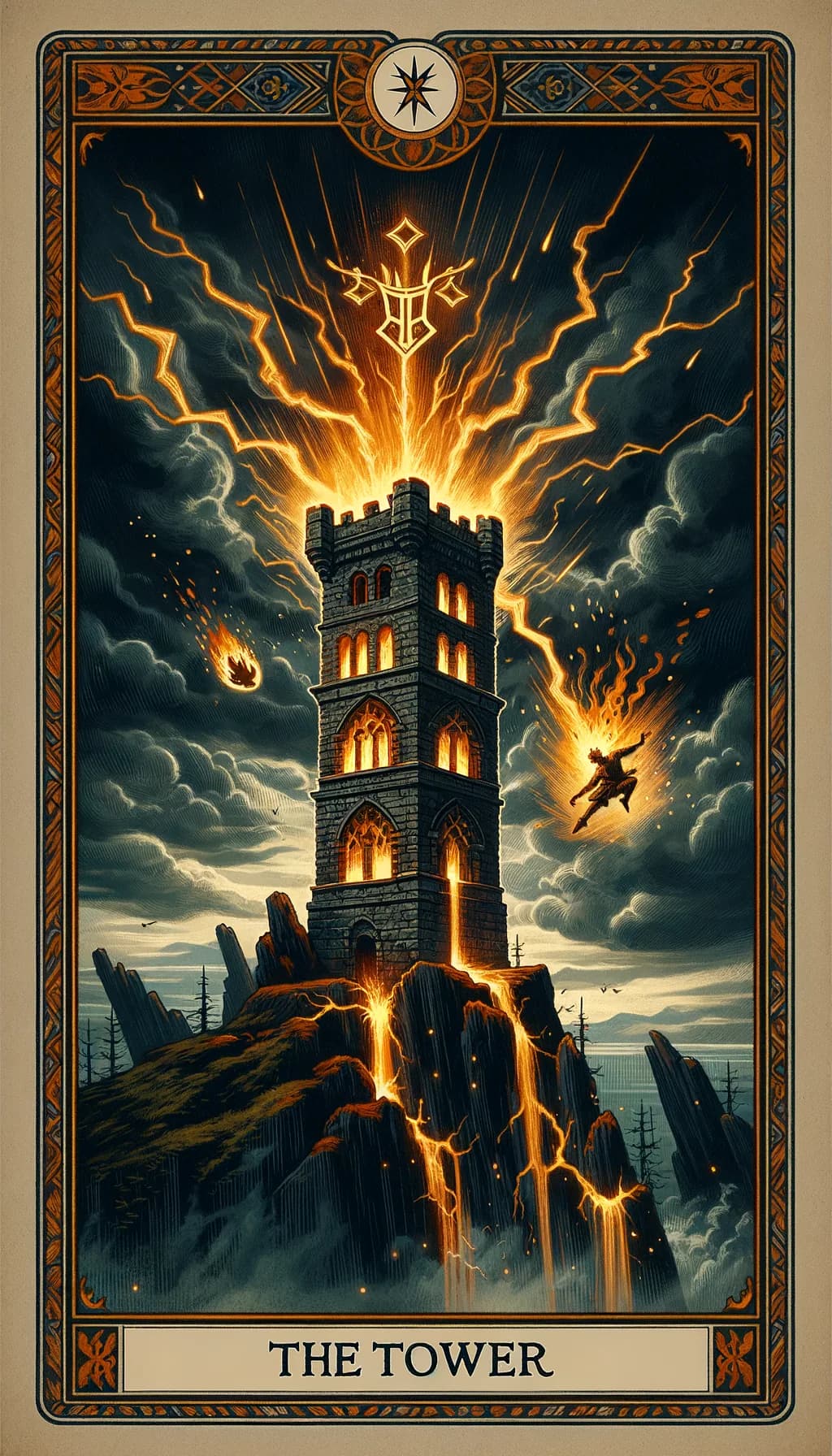
This pairing indicates a sudden, catastrophic loss rather than a gradual disappointment. The Tower destroys the structure, and the Five of Cups shows you standing in the emotional aftermath. Together they suggest a complete dismantling of something you believed was secure — a marriage, career, or belief system. Recovery will require rebuilding from foundations, not patching what existed. The destruction, though devastating, is clearing space for something more authentically aligned.
Read full combination →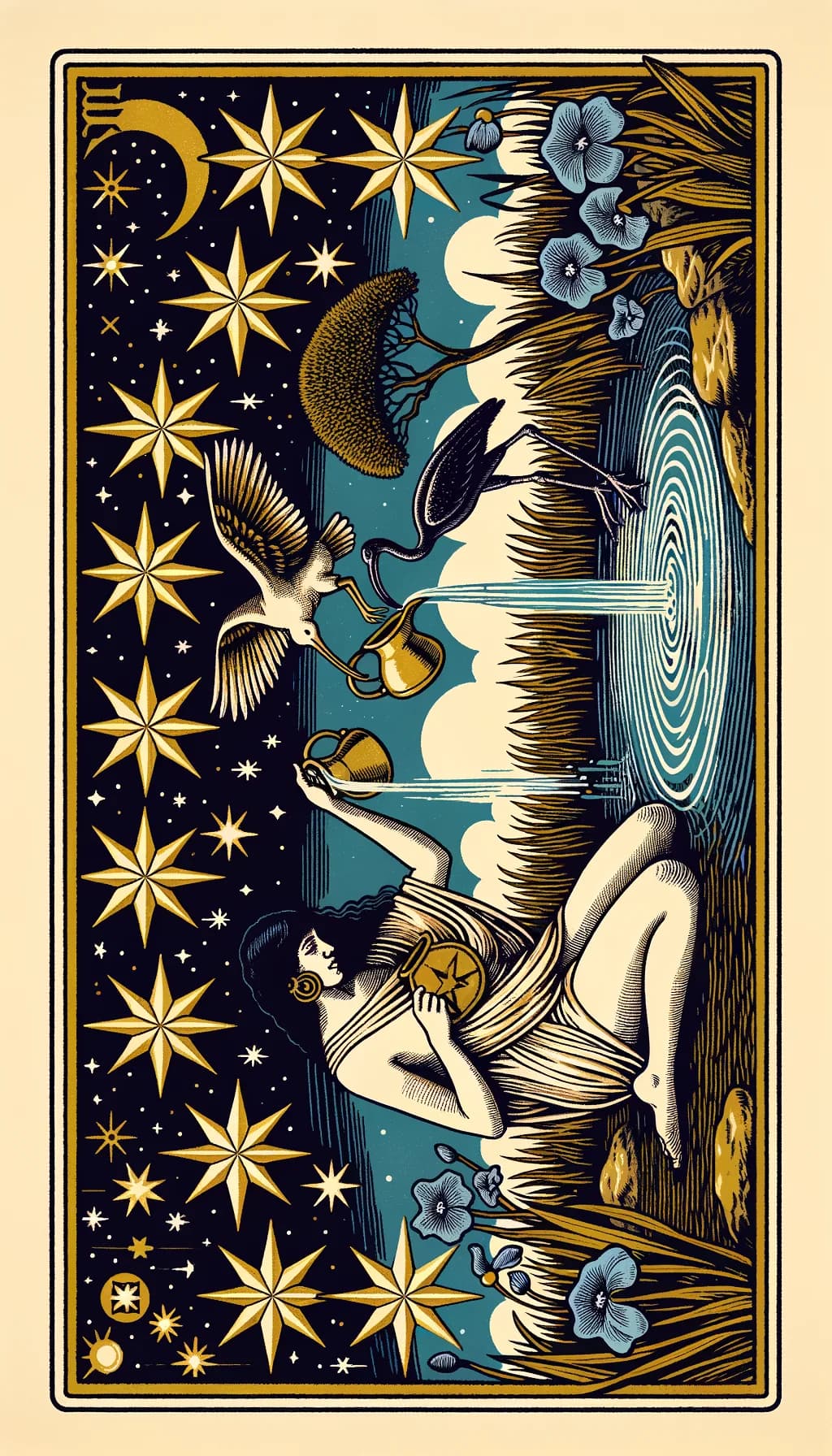
One of the most hopeful pairings in tarot: The Star appearing alongside the Five of Cups promises that current grief is actively leading to spiritual renewal and restored faith. The Star's naked figure pouring water back into the pool directly answers the Five's spilled cups — what was lost is being replenished from a cosmic source. Healing is not merely possible but already underway, even if you cannot yet feel it. Trust the process of emotional restoration unfolding beneath conscious awareness.
Read full combination →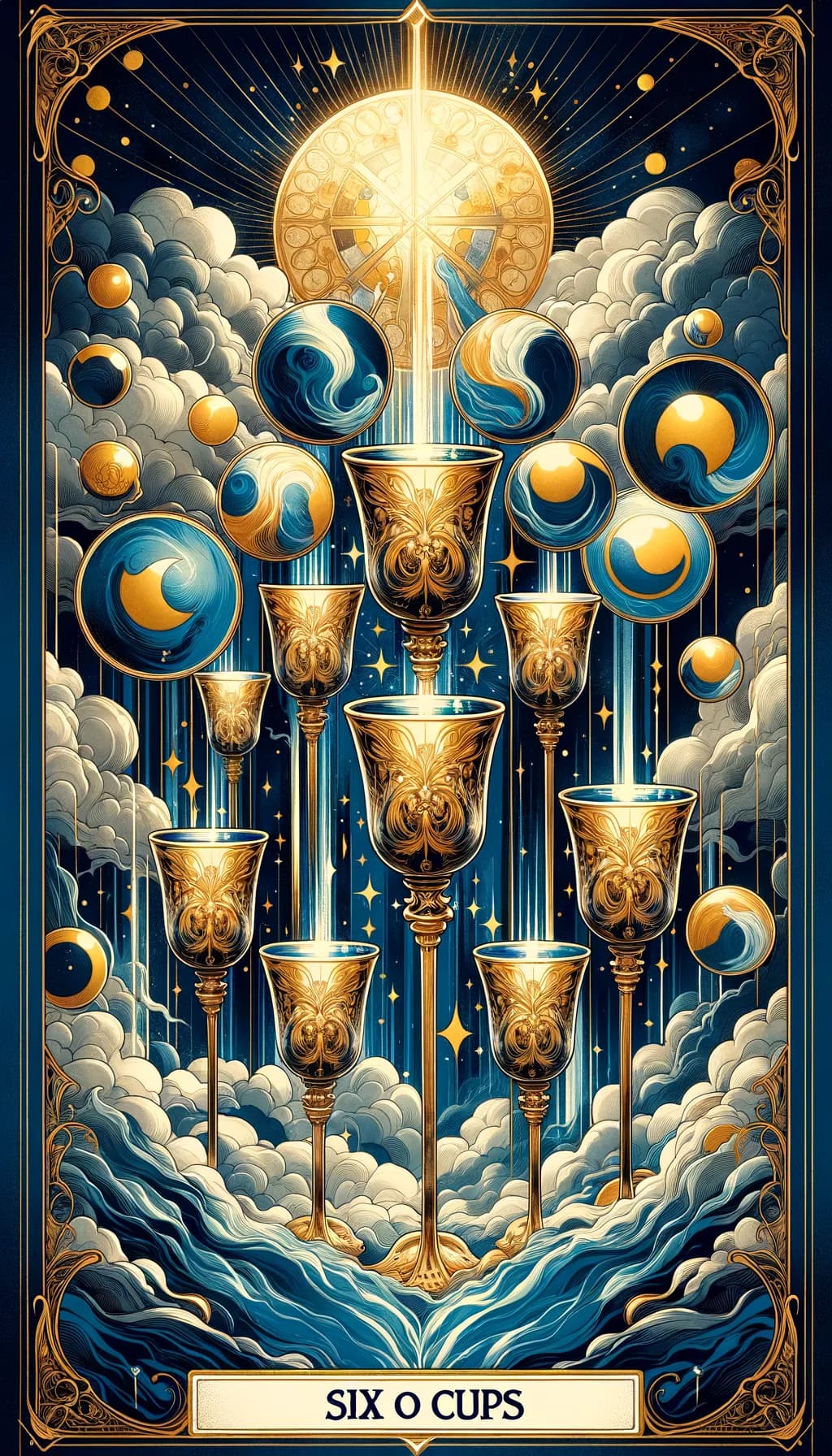
This combination points to grief connected specifically to the past — nostalgia for a childhood home that has been sold, mourning a friendship that defined your younger years, or processing unresolved losses from family of origin. The Six of Cups suggests that healing may involve revisiting pleasant memories without being trapped by them, or that reconnection with someone from your past will play a role in your emotional recovery. Beware of idealizing what was lost.
Read full combination →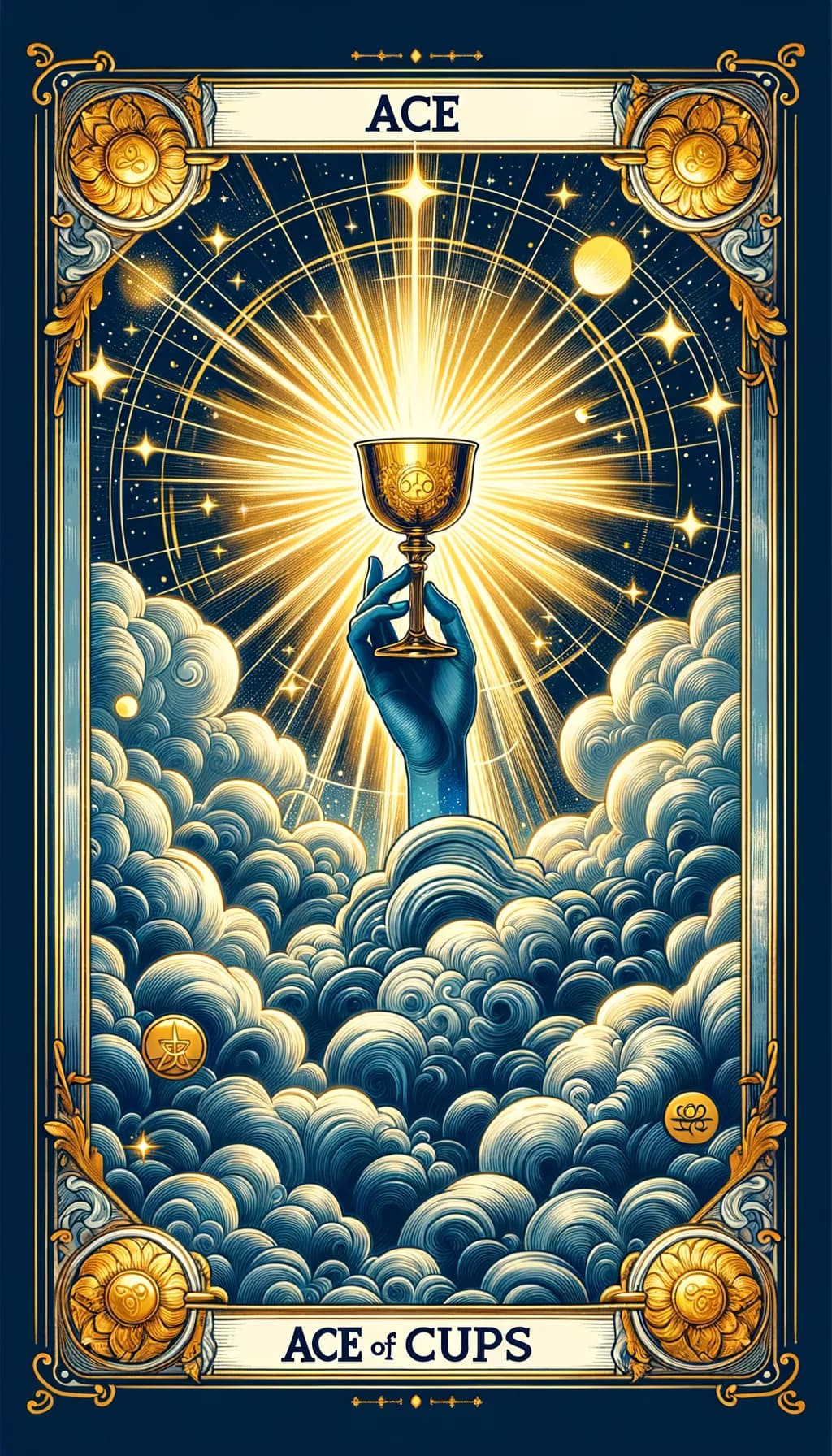
The Ace of Cups following the Five is a powerful promise of emotional rebirth. Where the Five shows cups spilled and depleted, the Ace offers a completely new vessel overflowing with divine love and emotional potential. This combination suggests that your current period of grief is creating the emotional space necessary to receive a profound new beginning — a new relationship, creative inspiration, or spiritual awakening that could not have entered your life while you were clinging to what was lost.
Read full combination →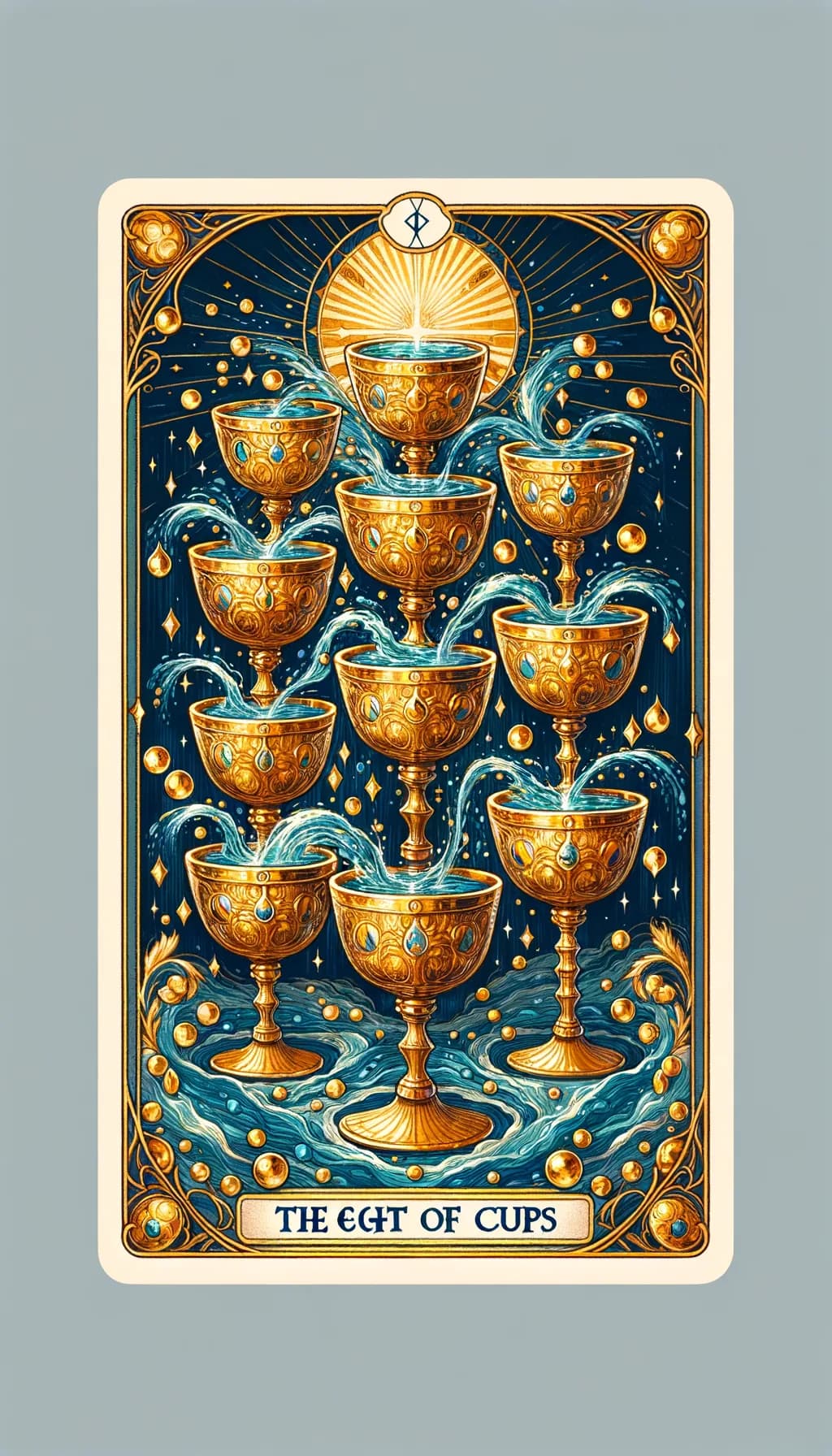
Both cards involve leaving something behind, but with different emotional textures. The Five of Cups grieves involuntary loss, while the Eight of Cups depicts voluntary departure from something emotionally unfulfilling. Together, they suggest a two-stage process: first mourning what was taken from you, then choosing to walk away from what remains but no longer serves you. This combination frequently appears during major life transitions like divorce proceedings where both unwanted loss and deliberate choice intertwine.
Read full combination →Journal Prompts for Five of Cups
Write a letter to the version of yourself that existed before this loss — what would you tell them about what you have learned, and what do you wish you could have prepared them for?
If you could turn around and honestly inventory the 'two standing cups' in your life right now — the relationships, resources, and possibilities that remain intact — what would you find, and why have you been reluctant to acknowledge them?
Describe a previous loss in your life that eventually led to something you now value deeply — what does this pattern reveal about your relationship with grief, and how might it apply to what you are currently mourning?
Reading Insights for Five of Cups
Card Advice
When the Five of Cups appears in a spread, resist the impulse to immediately comfort the querent with reassurances about the two standing cups. First, honor the three that have fallen — ask what specific loss or disappointment the querent is processing, because this card demands that grief be named before it can be navigated. Pay close attention to the card's position: in the past position, it indicates that an old loss is still coloring present perceptions; in the present, active grief requires attention before other cards' advice can be implemented; in the future, it warns of incoming disappointment that can be met with greater preparedness. Examine which cards flank the Five of Cups — cards to its left often reveal the cause of the loss, while cards to its right suggest where the 'two standing cups' energy manifests in the querent's situation. If predominantly reversed cards surround an upright Five of Cups, the querent may be more stuck in grief than they realize. Ask the querent directly: 'What are you afraid to look at behind you?' The bridge in the card's imagery becomes a practical tool — ask what concrete step, however small, would represent crossing that bridge in their actual life.
As an Outcome
As an outcome, this card suggests that while immediate results may be disappointing, the experience will ultimately teach valuable lessons about resilience and help you recognize what truly matters. The resolution will require you to release attachment to how you wanted things to unfold and accept a different—but ultimately healing—trajectory. What you gain in wisdom and emotional depth through this experience will prove more valuable than what was lost, though this truth may only become apparent with the passage of time.
Five of Cups as a Person
The Five of Cups personality is the emotionally honest soul who has been shaped by significant loss and carries that experience with both gravity and grace. These individuals do not shy away from life's darker emotions—they have sat with grief, walked through disappointment, and emerged with a hard-won understanding of impermanence. Their depth makes them extraordinary listeners and compassionate witnesses to others' pain, as they understand suffering from the inside out. They are the friends you call at 3 AM during a crisis, knowing they will not offer hollow platitudes but genuine presence. Their challenge is learning when to release the mourning cloak and embrace joy again without guilt.
Draw Five of Cups in Your Reading
Ready to see how Five of Cups appears in context? Get a personalized AI-powered tarot reading now.