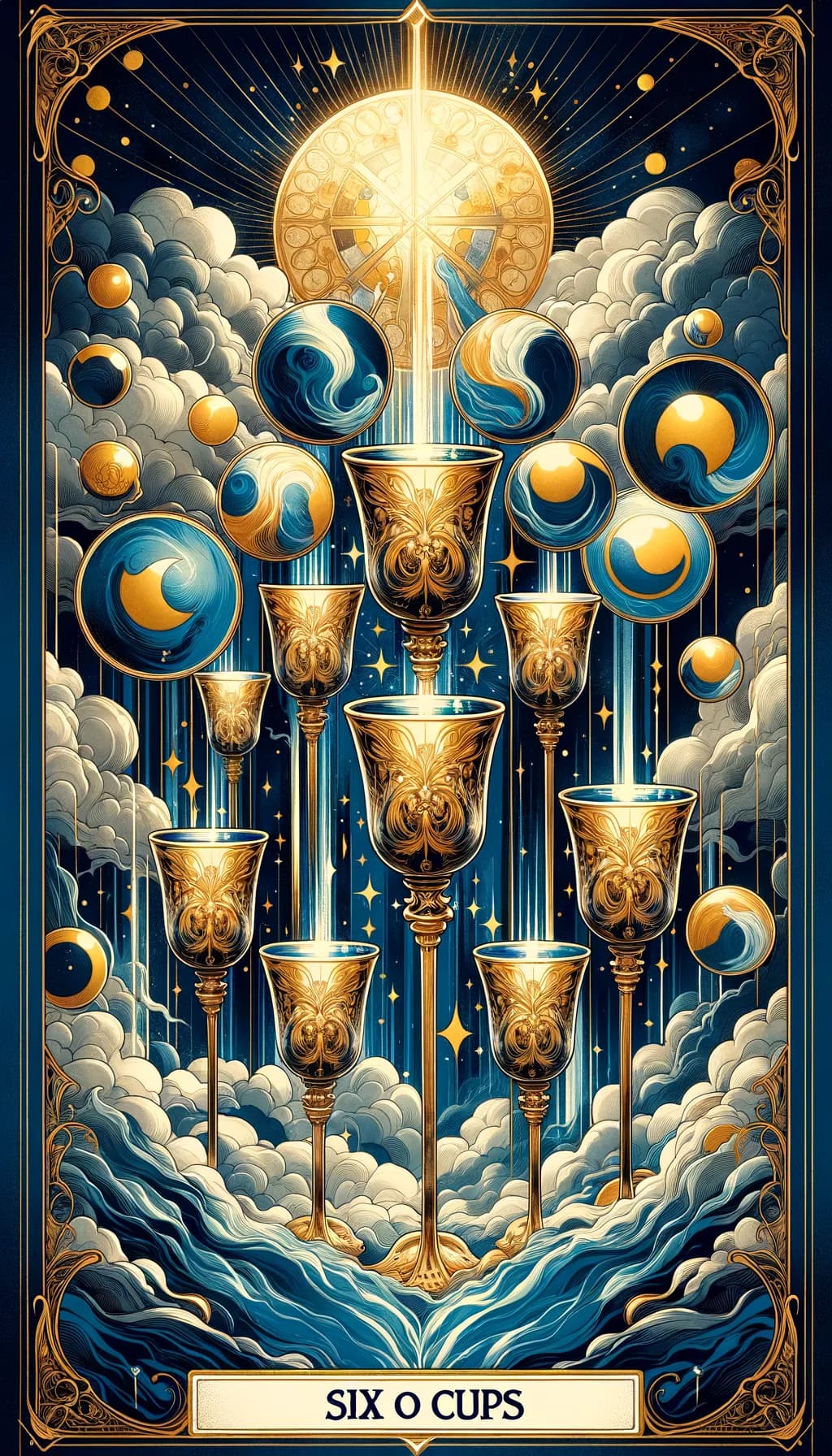
Six of Cups Tarot Card
Yes or No: Yes
The Six of Cups answers yes with the warmth of a childhood promise kept. This is especially reliable when your question involves reconnecting with someone from your past, returning to a familiar place or practice, giving or receiving emotional gifts, or following an impulse rooted in genuine affection rather than strategic calculation. The yes carries a condition: approach the situation with sincerity and open-heartedness rather than adult cynicism. The outcome favors authentic emotional exchange over tactical maneuvering.
I carry the tenderness of my past as a living gift, allowing it to warm my present choices without binding me to who I used to be.
Element
Water
Free Six of Cups Reading
Premium AI Reading
Understanding Six of Cups
In the Rider-Waite-Smith deck, Pamela Colman Smith depicts the Six of Cups as a scene suspended between memory and present action: an older child offers a golden cup overflowing with white star-shaped flowers to a younger, smaller figure in what appears to be a walled medieval courtyard. Four additional cups, each bearing identical white blossoms, rest on a low stone wall, while a sixth cup sits in the foreground. A guard or older figure walks away in the background, his long-handled weapon suggesting the martial world of adulthood retreating from this protected moment of innocence. The setting itself is crucial — Smith drew a distinctly Flemish or Northern European village scene with a prominent stone building featuring a heraldic cross, evoking ancestral homes, family crests, and the permanence of lineage. Waite himself described this card in his Pictorial Key as depicting 'children in an old garden' and associated it with 'things that have vanished' and 'new relations or new environments.' The number six in the Cups suit corresponds to Tiphareth on the Kabbalistic Tree of Life — the sphere of beauty, harmony, and the Higher Self — channeled through the emotional, intuitive element of water. This creates a moment of emotional perfection, a memory so vivid it transcends time. Astrologically linked to the Sun in Scorpio in the Golden Dawn system, this card carries an unexpected depth beneath its gentle surface: Scorpio's emotional intensity illuminated by solar warmth produces memories that are not merely pleasant but transformatively powerful. The Six of Cups does not simply say 'remember the past' — it insists that certain emotional experiences are so fundamentally formative that they continue to shape your capacity for love, trust, and creative expression decades after they occurred. This is Proust's madeleine rendered in watercolor, where a single sensory trigger unlocks an entire emotional universe that never truly disappeared.
Symbolism & Imagery
overview
The white five-petaled flowers in each cup are likely meant to represent lilies or possibly white star-shaped clematis — both associated in Victorian flower language with purity of intention and the return of happiness. Their arrangement in golden chalices suggests precious emotions carefully preserved rather than forgotten. The two children differ significantly in size, which Smith used throughout the deck to indicate hierarchical or developmental relationships — here the taller figure literally bends down to offer the gift, creating a gesture of tender condescension that mirrors how our mature selves relate to our younger emotional memories. The walled courtyard with its Gothic architecture creates a hortus conclusus — the enclosed garden of medieval symbolism representing protected inner space, the sanctum of the psyche where vulnerable memories are kept safe from the harshness of the outer world. The retreating guard figure is often overlooked but carries significant meaning: the martial, defensive adult world turns its back on this scene, unable to participate in or threaten this exchange of innocent feeling. The stone pillar in the center of the composition creates a visual axis that divides past from present, inner from outer. The yellow sky suggests not sunset but a quality of golden light associated with memory itself — the warm amber tint that nostalgia casts over remembered experience. Each of the six cups is elevated on the stone ledge like reliquaries on an altar, positioning childhood emotional experiences as sacred objects worthy of reverence and careful stewardship.
Six of Cups Upright
When the Six of Cups appears upright, you are being asked to engage consciously with the emotional inheritance your past has given you. This is not passive reminiscence — it is active emotional archaeology. Concretely, this card frequently appears when someone from your earlier life re-enters the picture: a childhood friend sends an unexpected message, an old mentor reaches out, or you physically return to a place that shaped you. You might receive a literal gift that carries emotional rather than monetary value — a family recipe passed down, your grandmother's ring, or a letter discovered in a drawer. The Six of Cups also signals periods when your inner child is particularly accessible, making it an ideal time for therapeutic modalities like inner child work, EMDR for early memories, or creative practices that bypass adult self-censorship. In decision-making contexts, this card advises you to consider what your eight-year-old self would have wanted — not as escapism, but as a compass pointing toward authentic desire unclouded by social conditioning. If you have been feeling emotionally flat or disconnected, the Six of Cups suggests that vitality returns through reconnecting with activities and relationships that predate your current identity construction. Visit your hometown. Look through old photographs with curiosity rather than sentimentality. Call the person you have been thinking about. The emotional nourishment you need already exists in your history — you simply need to reach back and claim it.
Love & Relationships
In romantic readings, the Six of Cups upright frequently indicates a relationship with roots in shared history — childhood sweethearts who reconnect, partners who grew up in the same community, or a bond that feels instantly familiar as though you have known each other before. For established couples, this card suggests a phase of returning to what originally drew you together, perhaps by revisiting your first date location or reviving rituals from the early days of courtship. The emotional quality here is gentle rather than passionate — think slow dances in the kitchen rather than dramatic declarations. For singles, the Six of Cups often heralds the reappearance of someone from your past, but more importantly it indicates that healing your relationship with your own childhood attachment patterns is creating space for healthier love. If your earliest models of affection were warm and secure, this card says you are ready to offer that same quality to a partner. If they were complicated, the Six of Cups suggests that you have done enough work to break the pattern.
Career & Work
Professionally, the Six of Cups points toward vocations connected to childhood passions or inherited skills. The artist who returns to painting after years in corporate finance, the teacher who realizes their calling traces back to playing school as a child, the person who takes over the family business with renewed enthusiasm — these are Six of Cups career manifestations. This card also appears when old professional contacts resurface with opportunities, when alumni networks prove unexpectedly valuable, or when a former employer offers you a position. Fields involving children, education, heritage preservation, archival work, family therapy, or any role that bridges past and present are especially favored. The card cautions against dismissing early career ambitions as naive — the dream you had at seventeen may contain more vocational wisdom than the strategic plan you drafted at thirty-five. Consider what you naturally gravitated toward before external expectations redirected your path.
Finances
Financially, the Six of Cups often coincides with receiving money through family channels — inheritance, gifts from parents or grandparents, or discovering value in heirlooms you had forgotten. This is not a card of aggressive wealth-building but of recognizing that you have resources you did not earn through conventional means. You may benefit from revisiting old savings accounts, forgotten investments, or insurance policies established years ago. The card encourages financial generosity, particularly toward those who nurtured you, and suggests that your most reliable financial foundation comes from skills and resources you developed long before your current situation.
Health
The Six of Cups in health readings directs attention to how childhood physical patterns persist in your adult body. Conditions rooted in early development — postural habits from adolescence, food relationships established in childhood homes, somatic memories of early stress — become accessible for healing now. Physical activities you loved as a child may prove more therapeutic than any prescribed exercise regimen. Swimming, climbing, dancing freely, or spending unstructured time outdoors can release stored tension in ways that adult-oriented fitness routines cannot. Consider whether current symptoms echo patterns from your family medical history, and investigate whether ancestral health tendencies are worth proactively addressing.
Six of Cups Reversed
The Six of Cups reversed does not simply mean 'bad nostalgia' — it describes a specific psychological trap where curated memories of the past function as an anesthetic against present-day discomfort. You may be mentally editing your history, preserving only golden moments while suppressing the difficult truths that accompanied them. A childhood that was actually marked by instability gets rewritten as 'adventurous'; a relationship that ended for legitimate reasons becomes 'the one that got away.' This selective remembering prevents you from building something genuinely new because you are constantly measuring the present against a past that never fully existed. The reversed Six of Cups also signals the lingering influence of unprocessed childhood dynamics: you may be unconsciously recreating family-of-origin patterns in your adult relationships, seeking parental approval in professional settings, or allowing guilt about outgrowing your roots to keep you geographically, professionally, or emotionally stuck. Another manifestation involves being unable to release grudges or hurts from earlier life — the memory that replays is not a golden one but a wound you keep reopening. This reversal calls for honest reckoning with your actual past, not the Instagram-filtered version. Consider working with a therapist trained in attachment theory or family systems therapy. The goal is not to reject your history but to see it clearly enough that it stops controlling your present choices through distortion.
Love & Relationships
In love, the reversed Six of Cups warns against the specific pattern of returning to relationships that feel familiar precisely because they replicate unhealthy childhood dynamics. The ex who resurfaces may trigger your attachment system not because they are your soulmate but because they activate the same anxious-avoidant cycle you learned in your earliest relationships. You may find yourself attracted to partners who need rescuing, mirroring a childhood role as emotional caretaker. Alternatively, you might be so committed to an idealized memory of a past relationship that every new person fails an impossible comparison. This reversal demands that you ask honestly: am I drawn to this person because they genuinely suit who I am now, or because they fit a pattern I learned before I had the power to choose?
Career & Work
Professionally, the reversed Six of Cups indicates stagnation disguised as loyalty. You may be staying in a role, company, or field long past its usefulness because leaving feels like betraying the person who gave you your first opportunity. Alternatively, you might be clinging to outdated methods or skills because they once brought success, refusing to acknowledge that the professional landscape has shifted. The reversed card also warns against nepotism or relying on family connections to the exclusion of developing genuine competence. Growth requires releasing the professional identity you built in your twenties and allowing yourself to become someone your younger self might not recognize.
Finances
Financially, the reversed Six of Cups warns against making money decisions based on emotional attachments or past patterns that no longer serve you. You might be giving too much financial support to others or making purchases based on nostalgia rather than practical need. It's time to establish mature financial boundaries and make decisions based on current reality rather than past circumstances.
Health
The reversed card suggests that unhealthy childhood patterns or emotional wounds may be manifesting as physical symptoms. You might be avoiding adult responsibilities regarding your health or expecting others to take care of issues you need to address yourself. Healing requires facing difficult emotions rather than escaping into childlike denial.
Six of Cups: Yes or No?
The Six of Cups answers yes with the warmth of a childhood promise kept. This is especially reliable when your question involves reconnecting with someone from your past, returning to a familiar place or practice, giving or receiving emotional gifts, or following an impulse rooted in genuine affection rather than strategic calculation. The yes carries a condition: approach the situation with sincerity and open-heartedness rather than adult cynicism. The outcome favors authentic emotional exchange over tactical maneuvering.
Six of Cups Combinations
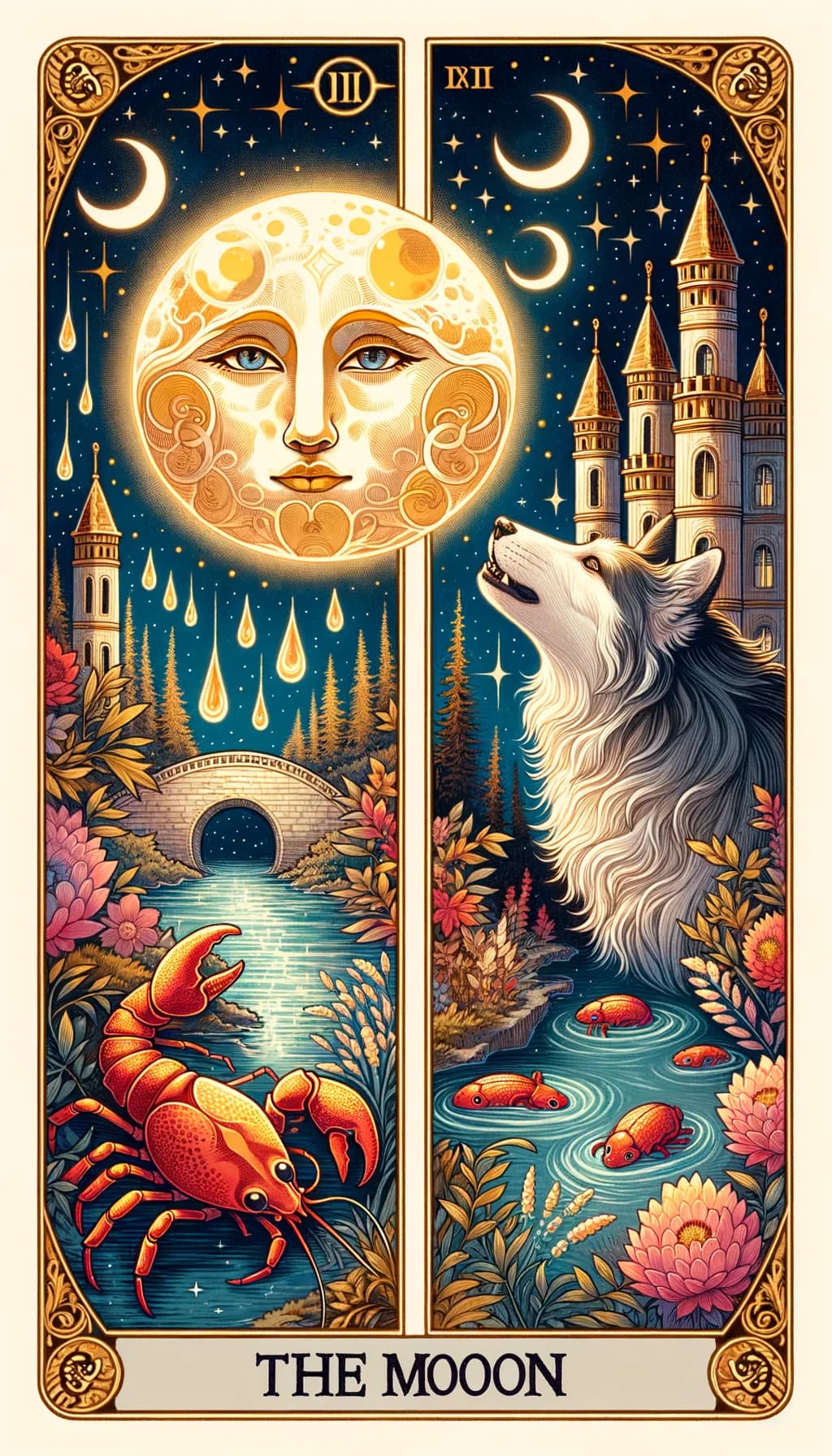
This pairing deepens the Six of Cups into territory of recovered memory and unconscious emotional patterns. Together these cards suggest that memories surfacing now are not entirely accurate — they carry projections, distortions, and fears mingled with genuine recall. Therapy or dream work may help distinguish authentic memory from emotional overlay. Proceed with your past gently, understanding that nostalgia and truth are not identical.
Read full combination →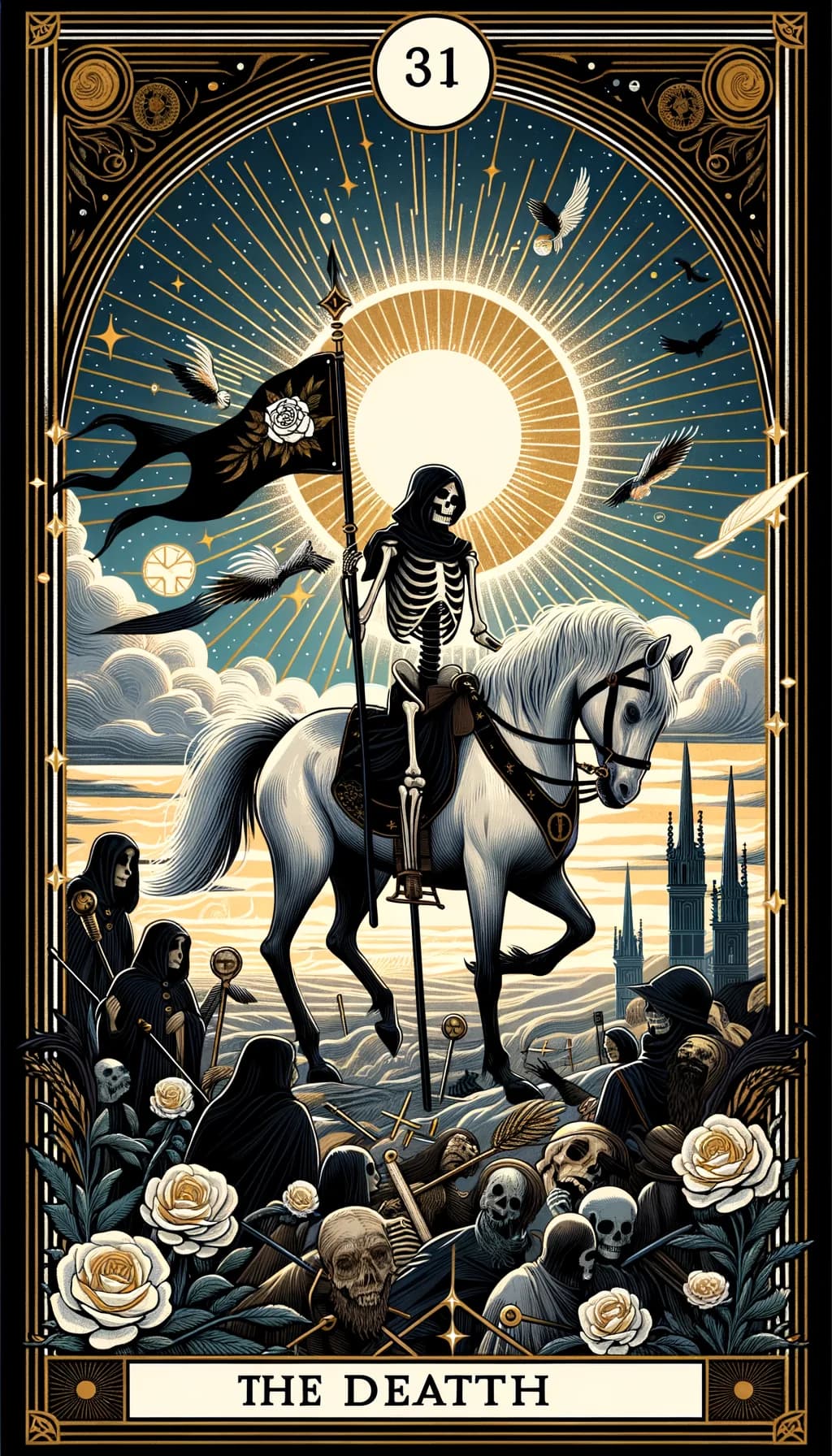
When Death appears alongside the Six of Cups, a chapter rooted in your past is permanently closing. This is the final visit to the childhood home before it sells, the last conversation with someone who shaped your early life, or the moment when you realize you have outgrown an identity you held since adolescence. Grief is appropriate here, but so is liberation — what ends creates space for emotional experiences that belong entirely to who you are becoming.
Read full combination →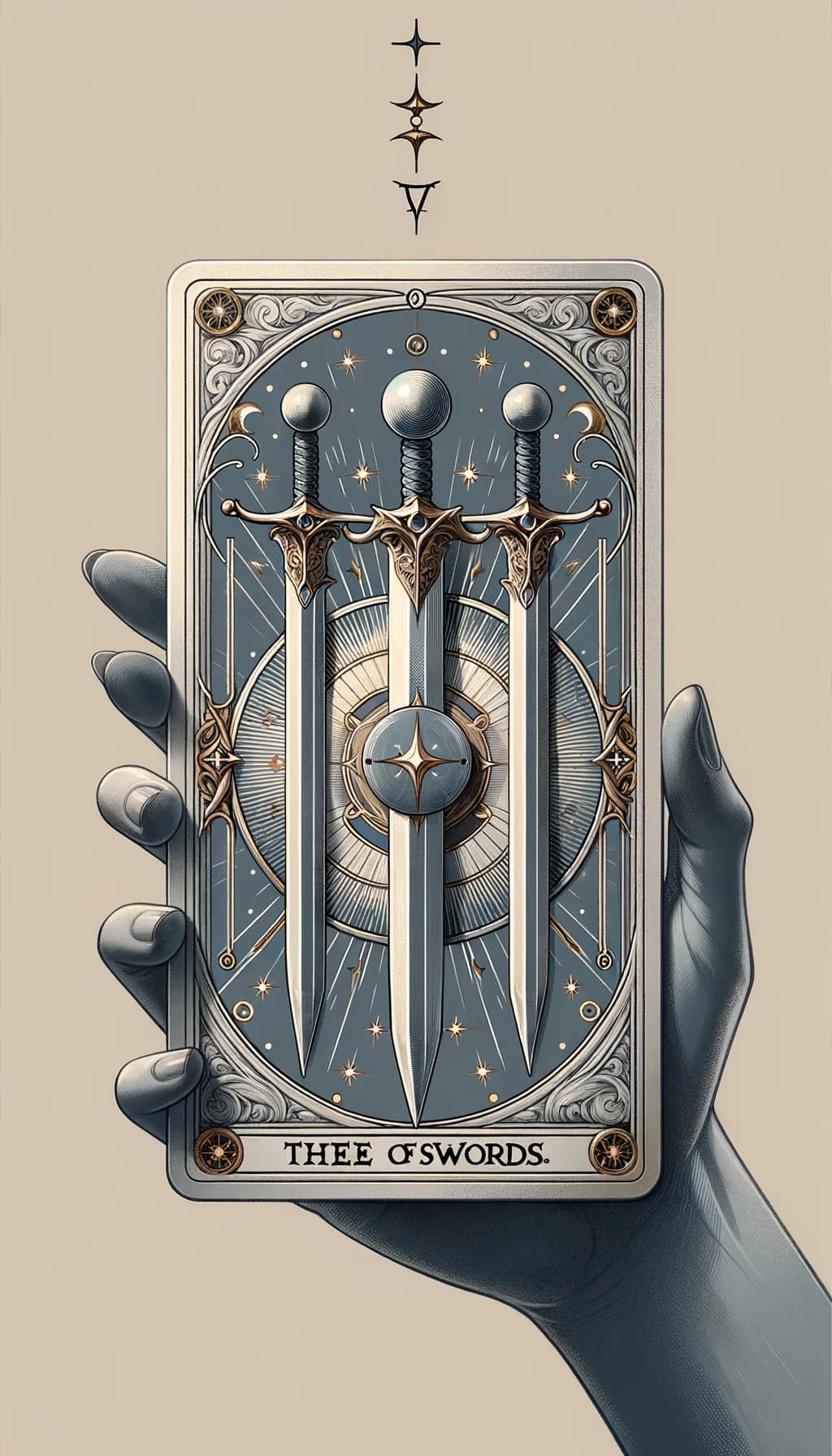
This combination points to childhood heartbreak or early emotional betrayal that continues to influence adult relationships. The wound being activated is not new — it is an old injury reopened by current circumstances. Healing requires tracing present pain back to its original source rather than blaming current partners or situations for the full intensity of what you feel. Inner child work is strongly indicated.
Read full combination →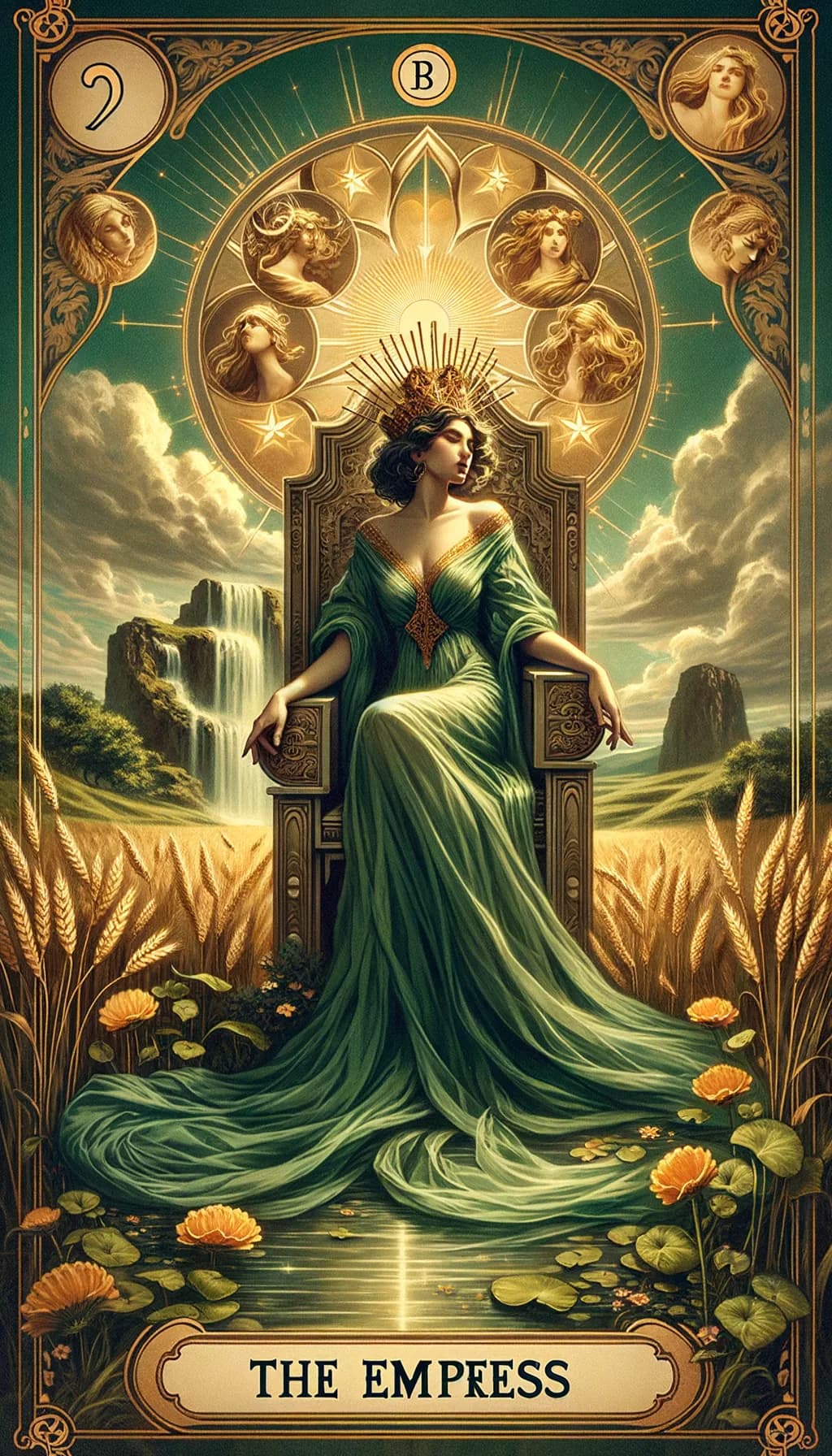
The Empress amplifies the Six of Cups' nurturing energy into powerful maternal healing. This pairing often appears when the querent's relationship with their mother — or with the archetype of motherhood — is central to the reading. It may indicate pregnancy connected to fulfilling a long-held desire, reconnecting with maternal family lineage, or discovering that your creative fertility springs directly from emotional experiences rooted in your earliest bonds with caregivers.
Read full combination →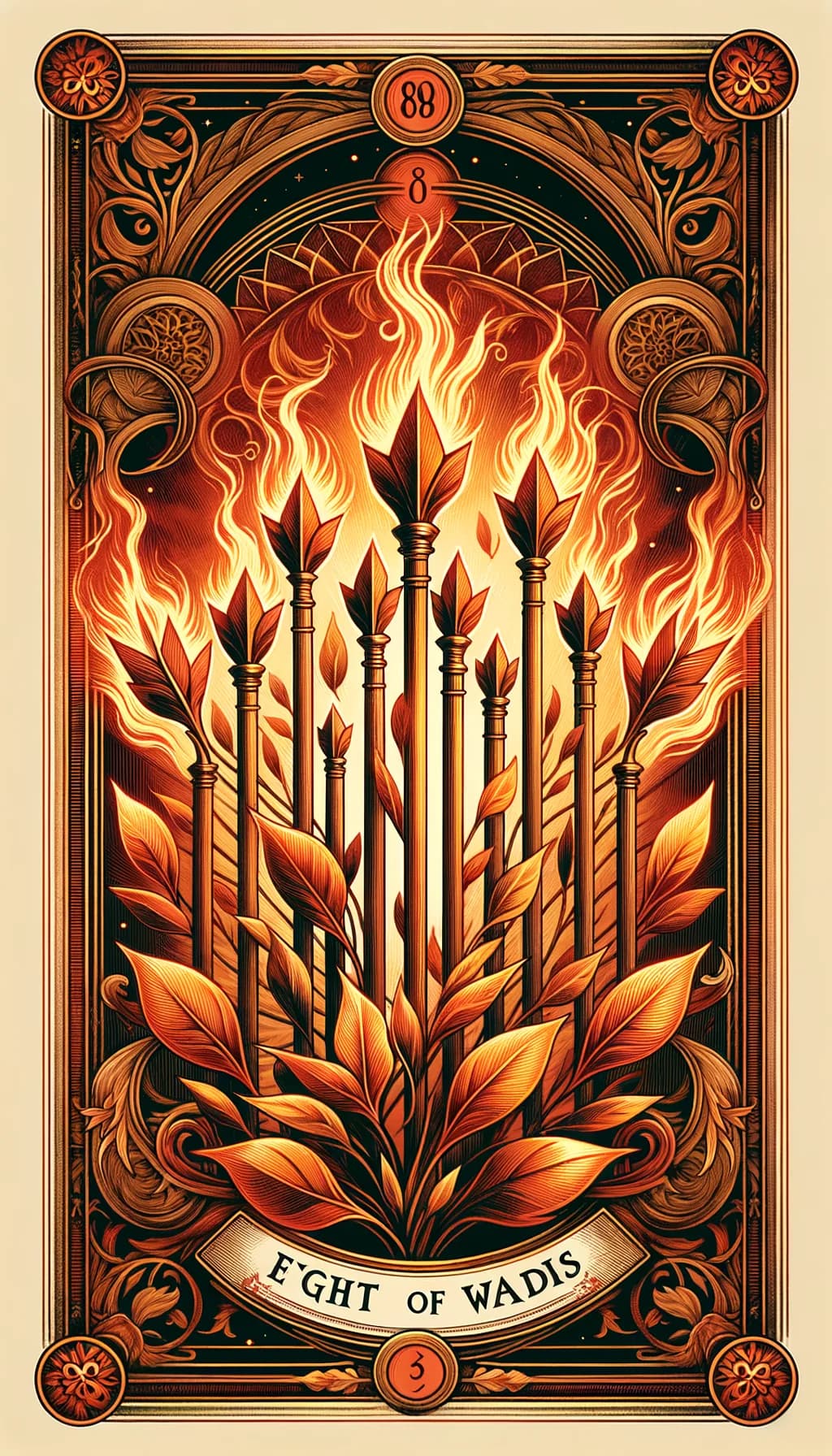
Speed meets sentiment: the Eight of Wands propels the Six of Cups' nostalgic energy into rapid action. Expect sudden contact from someone in your past — an unexpected phone call, a message arriving out of nowhere, or a chance encounter that feels orchestrated by fate. Events connected to your history accelerate quickly, and a reunion or return that you thought was months away may materialize within days. Act on nostalgic impulses immediately rather than deliberating.
Read full combination →Journal Prompts for Six of Cups
Write about a specific moment from before age twelve that still influences how you give or receive love today — what happened, who was there, and what emotional lesson did you absorb from that experience?
If you could return to one place from your childhood for an hour, which would you choose and what unfinished emotional business might you find waiting there?
Describe a gift you received as a child that meant far more than its material value — what did it teach you about what truly matters, and how does that lesson show up in your adult relationships and choices?
Reading Insights for Six of Cups
Card Advice
When the Six of Cups appears in a spread, first assess the surrounding cards to determine whether the past being referenced is genuinely nourishing or deceptively comfortable. Adjacent Swords cards often indicate that the nostalgia carries unprocessed pain beneath its golden surface. Pentacles nearby suggest tangible manifestations — actual inheritances, physical returns to childhood places, or practical skills from earlier life becoming relevant again. Note the card's position carefully: in past position it describes formative emotional experiences shaping the current situation; in present position it indicates active engagement with memory or reconnection; in future position it promises reunion, return, or the discovery that something you thought was lost has been preserved. Pay attention to whether the querent's face softens or tightens when this card appears — their physiological response reveals whether their relationship with the past is healing or haunting. Always ask specifically about childhood when this card appears, even if the querent's question seems unrelated. The Six of Cups insists that the emotional foundations laid before age twelve are directly relevant to whatever adult situation is being examined. In timing questions, this card often points to events approximately six weeks or six months away, or to situations that echo something that happened roughly six years ago.
As an Outcome
This card as an outcome suggests a gentle resolution filled with emotional satisfaction and the restoration of joy. Past wounds heal through love and understanding. The outcome will carry a nostalgic quality—a sense of coming full circle or returning to an emotional home you thought you had left behind. Reconciliation with estranged loved ones, unexpected messages from old friends, or the rediscovery of a childhood passion are all possible manifestations. Whatever form it takes, the resolution will feel tender, familiar, and deeply comforting.
Six of Cups as a Person
The Six of Cups personality is the sentimental guardian of memory and tradition who maintains living connections to the past while navigating the present with open-hearted generosity. These individuals are the family historians, the keepers of photo albums, the ones who preserve recipes and rituals across generations. They possess a remarkable ability to make others feel like children again in the best possible sense—safe, wonder-filled, and unconditionally accepted. Their homes often reflect a love of heritage, filled with inherited objects and handmade treasures. They give gifts with extraordinary thoughtfulness, choosing items that evoke shared history rather than mere material value. Their challenge lies in releasing idealized versions of the past to fully embrace present-day relationships and growth.
Draw Six of Cups in Your Reading
Ready to see how Six of Cups appears in context? Get a personalized AI-powered tarot reading now.