Three of Swords Tarot Card
Yes or No: No
The Three of Swords points toward heartache, painful revelations, or unwanted separations connected to your question. This is not a punitive no — it is a protective one. The situation you are asking about involves truths that will hurt when fully acknowledged, and proceeding as hoped would likely compound rather than relieve that pain. Accept the grief embedded in this answer as honest guidance rather than cosmic cruelty.
I allow my grief to move through me completely, knowing that a heart broken open by truth has greater capacity for love than a heart kept safe through denial.
Element
Air
Free Three of Swords Reading
Premium AI Reading
Understanding Three of Swords
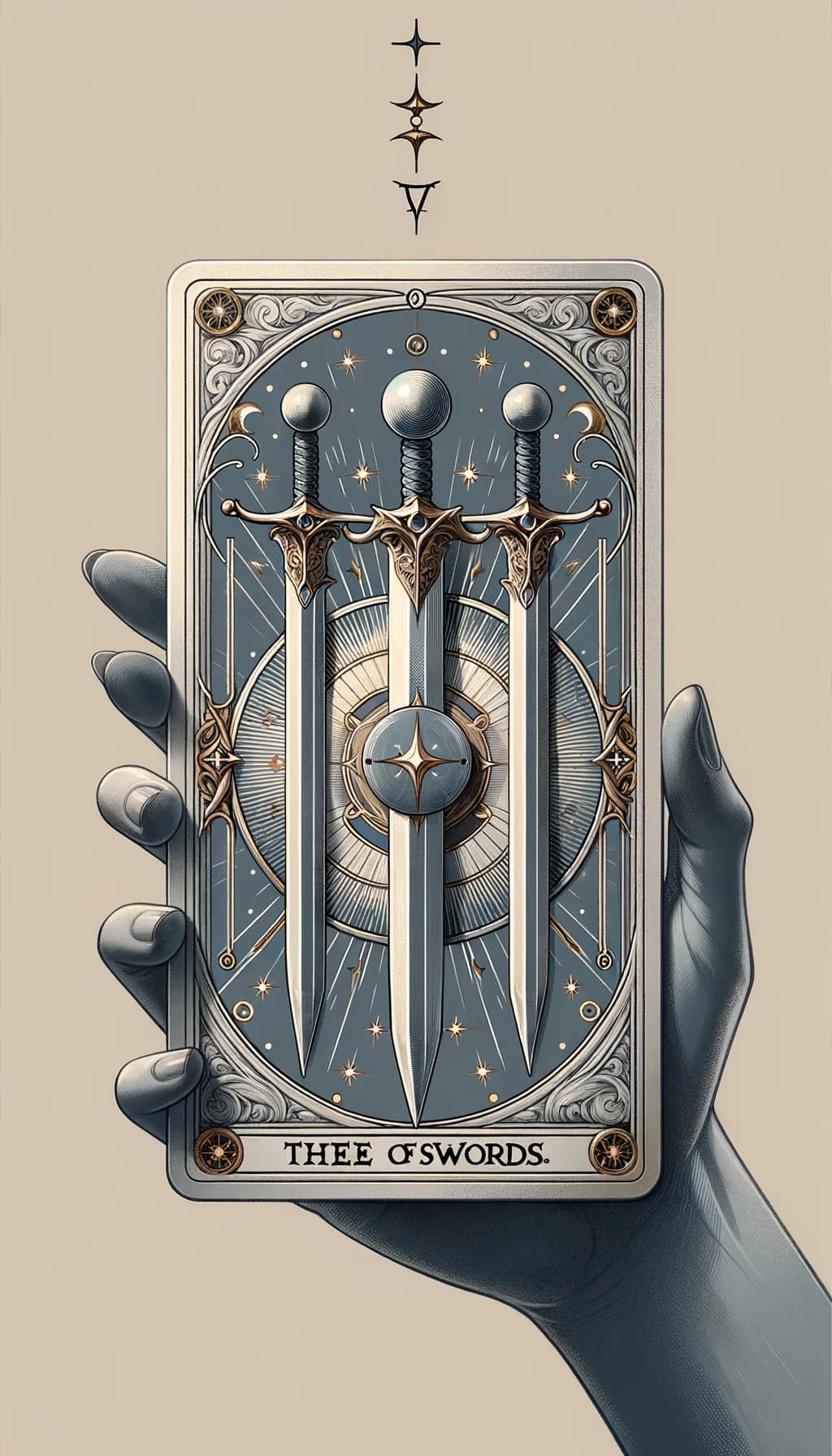
In Pamela Colman Smith's original 1909 illustration, three swords pierce a bright red heart suspended against a backdrop of driving rain and leaden grey clouds. There is no human figure, no landscape, no distraction — just the stark anatomy of grief rendered in its most essential form. Waite himself described this card as representing 'removal, absence, delay, division, rupture, dispersion' and notably added 'all that the design signifies naturally.' He trusted that the image spoke for itself, and indeed it remains one of the most immediately understood images in the entire seventy-eight card deck. The three swords correspond numerologically to the number of synthesis and expression — in the suit of Air, this means that thoughts, words, and mental constructs have coalesced into something that cuts to the emotional core. This is not random suffering; it is suffering born from clarity. The heart breaks precisely because the mind finally comprehends what it has been resisting. Astrologically, the Golden Dawn assigned this card to Saturn in Libra — the planet of hard lessons and karmic reckoning operating in the sign of relationships and partnerships. Saturn demands truth; Libra seeks harmony. When these forces collide, the result is the painful but necessary rupture that occurs when a relationship can no longer sustain its own contradictions. Smith's decision to depict rainfall rather than simply dark skies was deliberate — tears are already falling, catharsis has begun. The heart floats in empty space because this pain feels disembodied, universal, almost archetypal. Everyone who sees this card recognizes it instantly. We have all been that heart.
Symbolism & Imagery
overview
The three swords are arranged with geometric precision — two entering from the upper corners at matching angles, one driving straight down through the center. This triangular penetration mirrors the Qabalistic attribution of Binah (Understanding), the third sephirah, suggesting that this pain emerges from genuine comprehension rather than confusion. The heart itself is disproportionately large and deeply saturated in red, emphasizing that the seat of feeling dominates this card entirely despite belonging to the intellectual suit of Swords. Smith painted the clouds in two distinct layers: a darker mass behind the heart and lighter grey streaks in the foreground, creating the illusion of depth and atmospheric movement that suggests this storm is actively passing through rather than permanently settled. The rain falls in perfectly parallel diagonal lines, a technical choice that conveys relentless, steady grief rather than chaotic turbulence. No ground is visible beneath the heart — it exists in a suspended, liminal space between heaven and earth, between thought and feeling. The swords themselves are grey steel with golden hilts, maintaining the suit's association with the double-edged nature of truth: the same mental clarity that wounds also eventually heals. The absence of any human figure is perhaps the most striking symbolic choice, stripping away identity, gender, and context to present heartbreak as a universal human constant rather than any individual's private tragedy.
Three of Swords Upright
The Three of Swords upright announces that a painful truth has arrived and can no longer be deflected. This is the moment the text message is read, the diagnosis is confirmed, the conversation you dreaded finally happens. Unlike the vague anxiety of the Nine of Swords or the catastrophic collapse of the Ten, the Three of Swords represents a specific, identifiable wound — you know exactly what hurts and why. Common manifestations include discovering a partner's dishonesty, receiving rejection after genuine vulnerability, hearing criticism that strikes at your deepest insecurity, or losing someone whose absence fundamentally reorganizes your daily life. The card's placement in the suit of Air means this suffering has a strong cognitive component: you are replaying conversations, analyzing what went wrong, constructing narratives of blame and meaning. The crucial teaching here is that intellectual processing alone cannot resolve emotional wounds. Saturn in Libra demands that you sit with the grief rather than think your way around it. This card frequently appears when the querent already knows the painful truth but has been constructing elaborate mental frameworks to avoid feeling it. The Three of Swords collapses those frameworks. It validates that your pain is proportional to your investment and that grief is the natural tax on love. Attempting to bypass this process — through distraction, premature forgiveness, or toxic positivity — only delays and compounds the eventual reckoning.
Love & Relationships
In romantic readings, the Three of Swords most commonly surfaces during breakups, affairs discovered, or the moment when both partners recognize that love alone cannot bridge fundamental incompatibilities. If you are in a relationship, this card points to a specific breach — not a vague dissatisfaction but a concrete event or revelation that has pierced the heart of the partnership. Infidelity, broken promises regarding children or finances, or the discovery that your partner has been presenting a fundamentally false self are all classic Three of Swords scenarios. For those who are single, this card frequently indicates that unprocessed grief from a previous relationship is actively blocking new connections. You may be unconsciously screening potential partners through the lens of old betrayals, or you may be attracted to emotional unavailability because it feels safer than genuine vulnerability. The card does not predict permanent heartbreak — it diagnoses current emotional reality and insists that healing begins with honest acknowledgment rather than premature optimism about finding someone new.
Career & Work
Professionally, the Three of Swords often appears when workplace trust has been violated in a tangible way. This could manifest as learning that a colleague took credit for your work, discovering that a promised promotion was given to someone hired through nepotism, or realizing that the company culture you believed in was performative. The card can also indicate being laid off or fired in a way that feels personal rather than purely business — the sting comes from the sense of betrayal rather than just the practical loss. Entrepreneurs may see this card when a business partnership dissolves acrimoniously or when a client relationship ends with dishonesty. The key professional lesson is distinguishing between the emotional wound and the practical reality. Your feelings of betrayal are valid, but career recovery requires pragmatic action alongside emotional processing. Document what happened, update your resume, and seek counsel from mentors who can offer perspective unclouded by your current pain.
Finances
Financially, the Three of Swords signals a loss that carries emotional weight beyond its monetary value. This might be losing money to a trusted advisor's poor judgment, watching investments tied to sentimental projects fail, or navigating the financial devastation of divorce. The card warns against making major financial decisions while in acute emotional distress — grief distorts risk assessment. Separate your immediate need for damage control from your longer-term financial strategy, and consider consulting a fiduciary advisor rather than relying on your own judgment during this turbulent period.
Health
The Three of Swords in health readings points to the physical toll of emotional suffering — chest tightness, heart palpitations, insomnia driven by racing thoughts, and the immune system suppression that accompanies prolonged grief. Research on broken heart syndrome (takotsubo cardiomyopathy) validates this card's core message: emotional trauma has measurable cardiac consequences. Prioritize sleep hygiene, avoid self-medicating with alcohol or excessive caffeine, and consider therapy modalities that address the body-mind connection, such as EMDR or somatic experiencing, rather than talk therapy alone.
Three of Swords Reversed
The Three of Swords reversed operates along a spectrum between two distinct poles, and the surrounding cards determine which interpretation applies. At its most positive, this reversal indicates the genuine turning point in grief — the first morning you wake up and your loss is not the first thought in your mind, the moment forgiveness shifts from an abstract concept to a lived possibility. The acute phase of suffering depicted in the upright card is releasing its grip, and you are beginning to integrate the experience into your broader life narrative rather than being consumed by it. However, the reversed Three of Swords frequently carries a more troubling meaning: the internalization and suppression of pain. Here, the swords have not been removed from the heart — they have been pushed deeper, hidden beneath a surface performance of being fine. This manifests as emotional numbness, cynicism masquerading as wisdom, chronic low-grade depression that you have normalized, or a reflexive tendency to minimize your own suffering because others have it worse. The reversal can also indicate self-inflicted emotional harm — harsh self-criticism, dwelling obsessively on past mistakes, or punishing yourself for having been vulnerable enough to get hurt. When this card appears reversed, the essential question is: have the swords been genuinely withdrawn, or have you simply stopped acknowledging their presence? True healing requires conscious engagement with grief, not merely the passage of time.
Love & Relationships
In love readings, the reversed Three of Swords often appears when someone is carrying unresolved heartbreak into a new relationship like invisible luggage. You may find yourself testing your partner's loyalty through manufactured crises, interpreting neutral behaviors as signs of impending betrayal, or maintaining emotional walls that prevent genuine intimacy while providing the illusion of a functional relationship. Alternatively, this reversal can indicate the genuine process of rebuilding trust after infidelity or betrayal — a slow, non-linear journey that requires both partners to tolerate discomfort and uncertainty. If you are working to repair a relationship, this card affirms that reconciliation is possible but warns against premature declarations that everything is resolved. Forgiveness is a practice, not an event.
Career & Work
Professionally reversed, this card suggests you are recovering from a workplace wound but may be overcorrecting. Having been burned by a trusted colleague, you might now refuse to collaborate, hoard information, or adopt a cynical stance that poisons team dynamics. Alternatively, you may have processed the disappointment constructively and are now leveraging the experience to set better professional boundaries, negotiate more carefully, and evaluate workplace culture with sharper discernment. The distinction lies in whether your past experience is informing your decisions or controlling them.
Finances
Financially, this reversal often indicates recovery from monetary losses or learning to trust your financial judgment again after being burned. You might be slowly rebuilding wealth or establishing new financial partnerships with better boundaries. This card suggests that you're developing wisdom about money management through your experiences of loss. However, ensure you're not overcorrecting by becoming too cautious or allowing past financial trauma to prevent reasonable risks or investments.
Health
Health-wise, the reversed Three of Swords suggests emotional healing is supporting physical recovery. You might notice that as you process grief or trauma, physical symptoms begin to improve. This card indicates that treatments focusing on the mind-body connection are particularly beneficial now. However, don't ignore persistent physical symptoms by assuming they're only emotional - ensure you're addressing both aspects of health comprehensively.
Three of Swords: Yes or No?
The Three of Swords points toward heartache, painful revelations, or unwanted separations connected to your question. This is not a punitive no — it is a protective one. The situation you are asking about involves truths that will hurt when fully acknowledged, and proceeding as hoped would likely compound rather than relieve that pain. Accept the grief embedded in this answer as honest guidance rather than cosmic cruelty.
Three of Swords Combinations
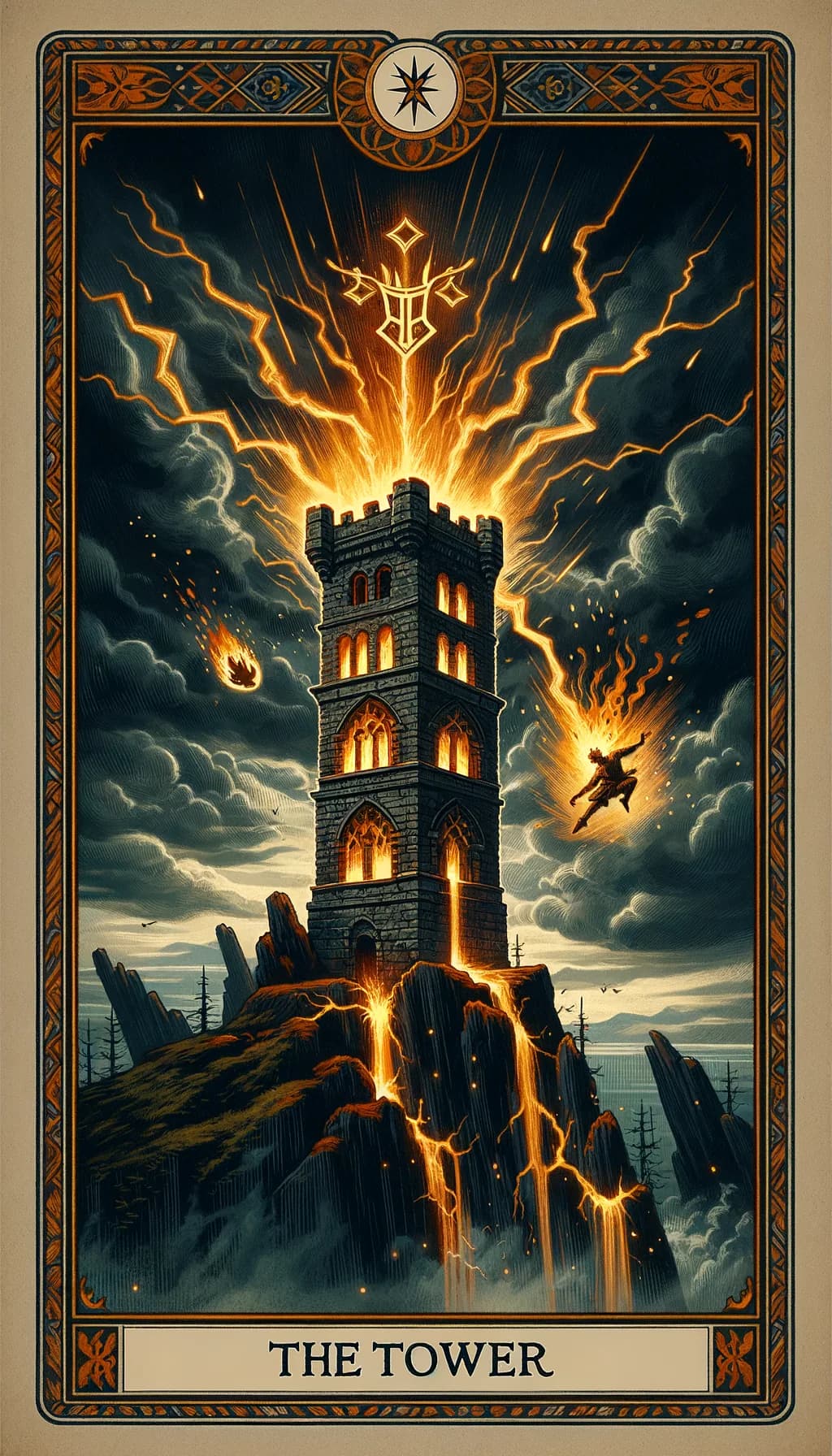
This pairing signals a catastrophic emotional upheaval — not a slow heartbreak but a sudden, structural collapse of something you believed was permanent. The Tower shatters the external situation while the Three of Swords registers its emotional impact. Together they describe events like discovering a long-term partner's double life or an institutional betrayal that destroys your professional identity overnight. Recovery is possible but requires rebuilding from foundations.
Read full combination →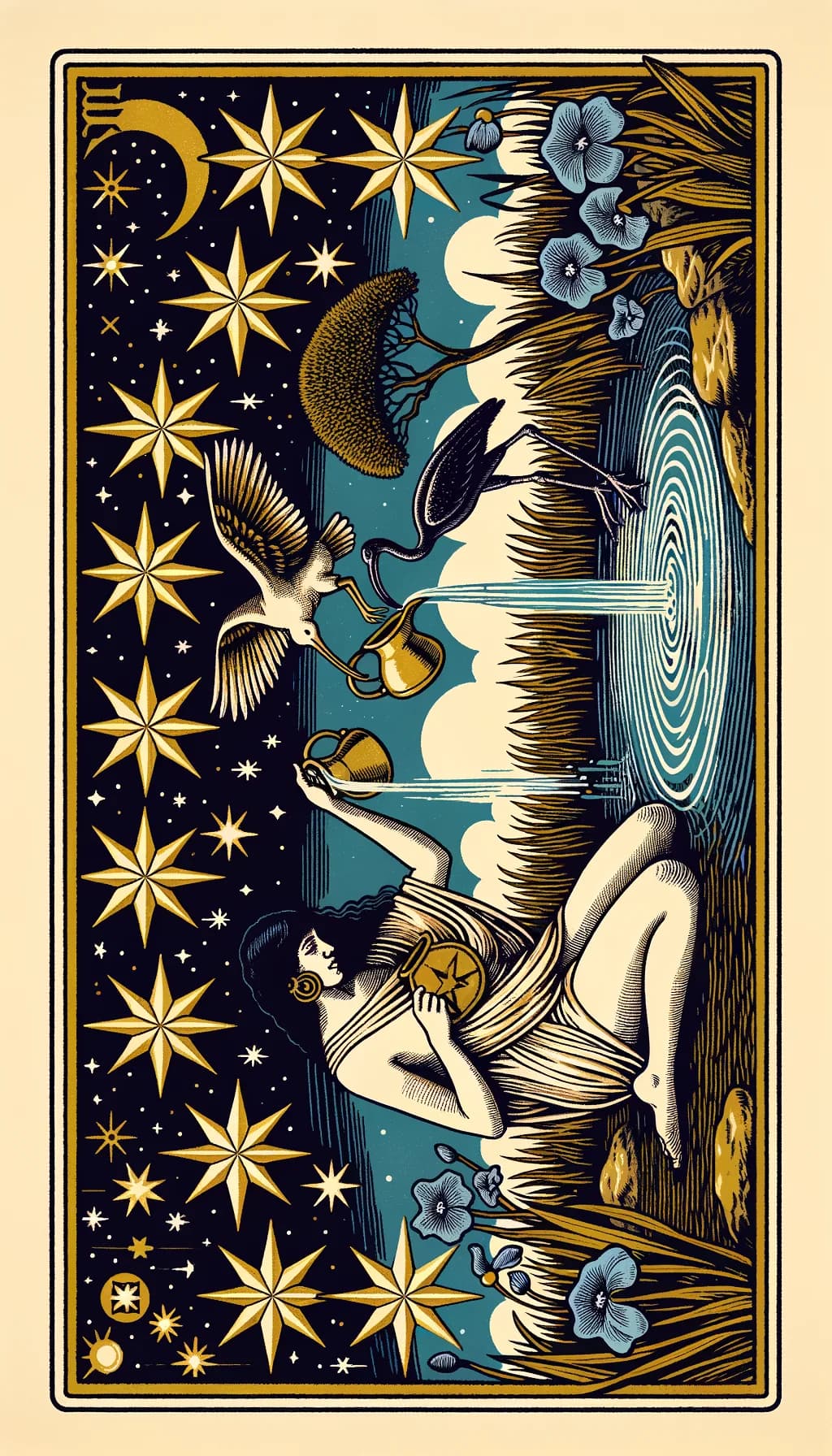
The Star following the Three of Swords is one of tarot's most hopeful pairings, indicating that genuine healing and renewed faith emerge directly from this heartbreak. The wound is real, but so is the restoration. This combination often appears when grief opens a spiritual channel — the querent discovers meditation, finds a therapist who transforms their self-understanding, or experiences a profound sense of connection to something larger than their individual pain.
Read full combination →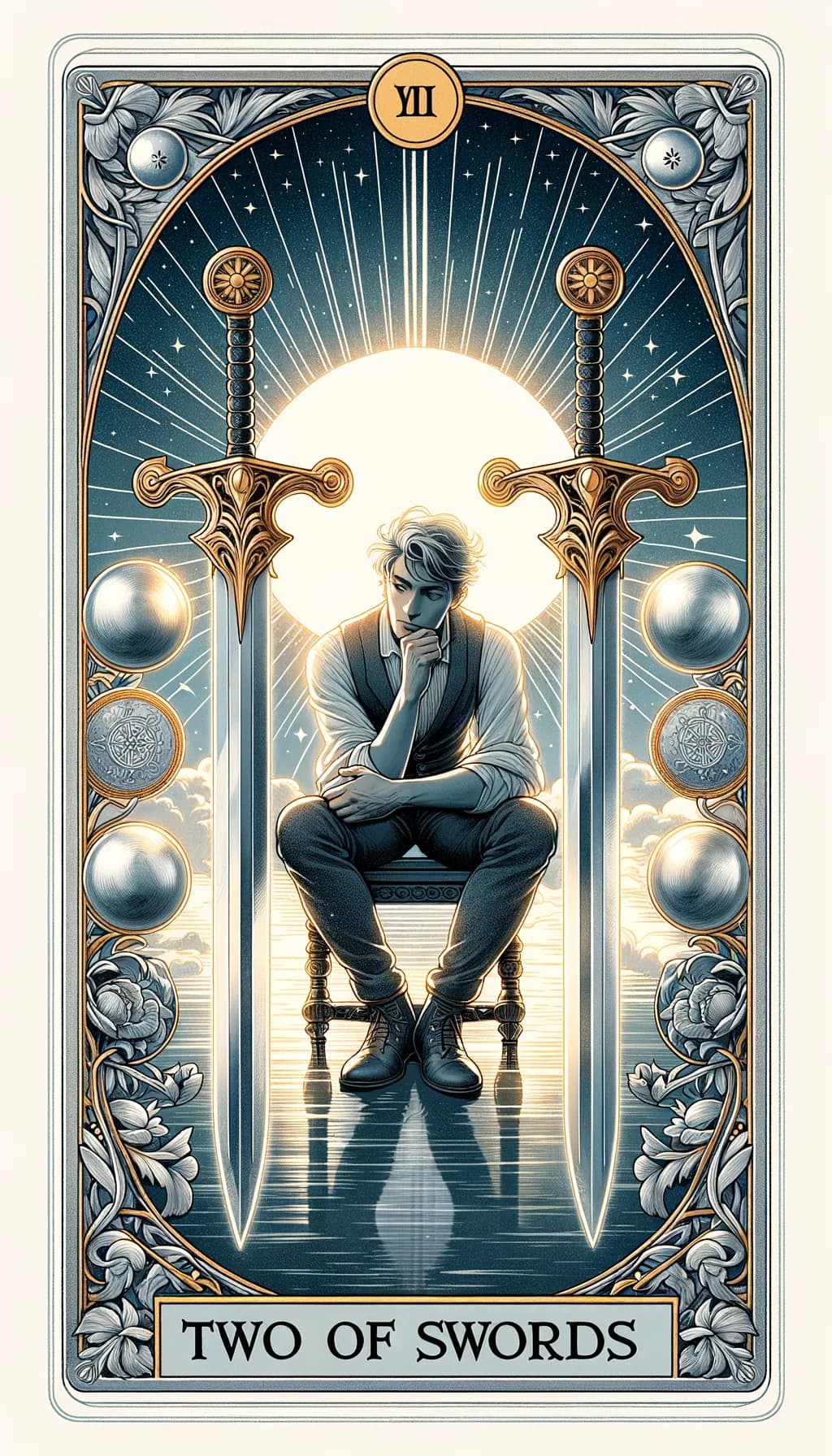
The Two of Swords preceding the Three reveals that deliberate avoidance or willful blindness has made the eventual heartbreak more devastating than necessary. Truths that could have been addressed through honest dialogue were instead denied behind the Two's crossed swords and blindfold. This combination frequently appears in readings about infidelity where one partner sensed something was wrong but chose not to investigate.
Read full combination →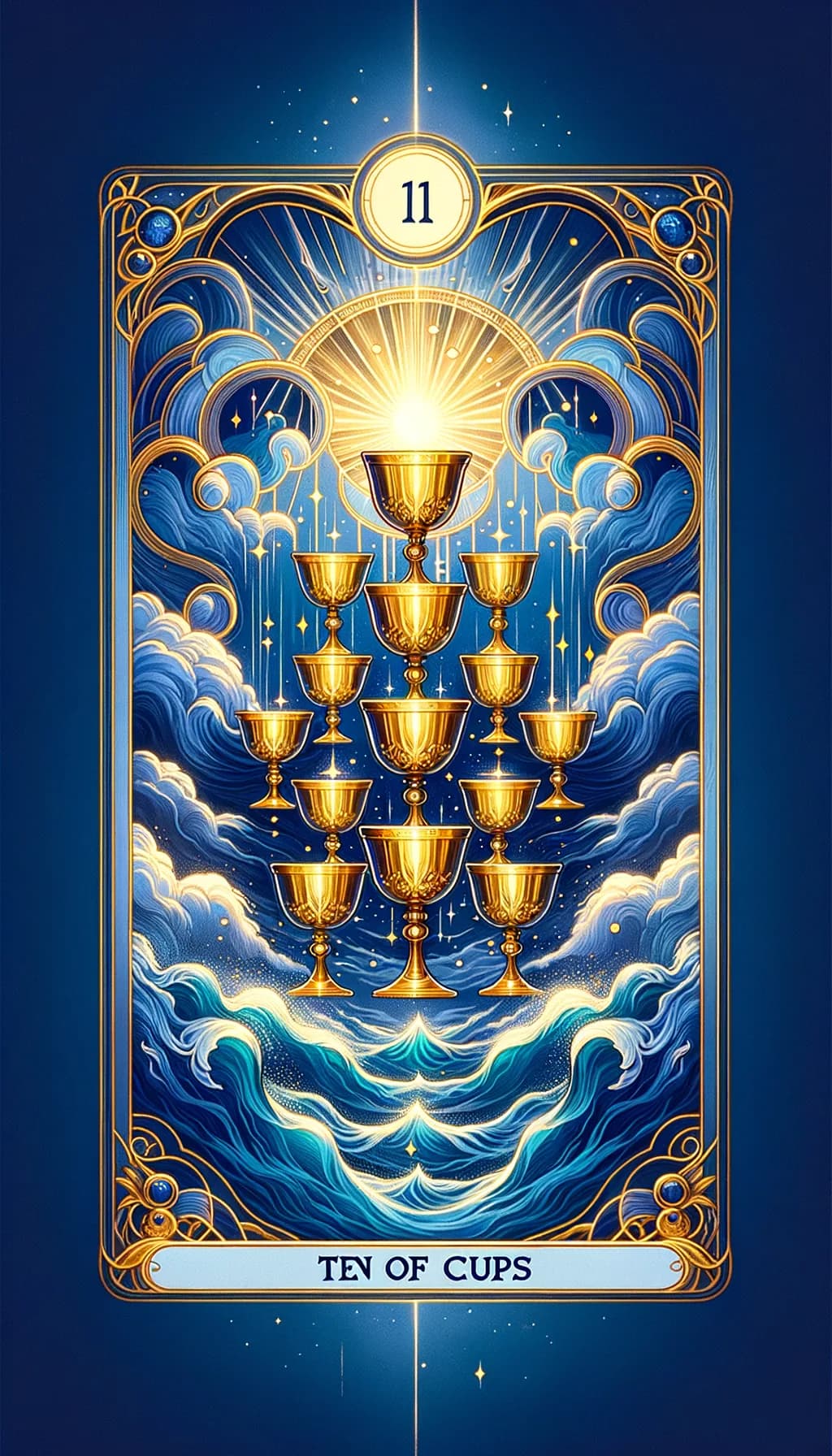
This contradictory pairing often appears in divorce or family separation readings, where the idealized vision of domestic harmony represented by the Ten of Cups is being shattered by the Three of Swords' painful truth. It can also indicate that heartbreak within a family context — estrangement from a parent, a child's rejection, or grief within an otherwise loving household — is the central issue requiring attention.
Read full combination →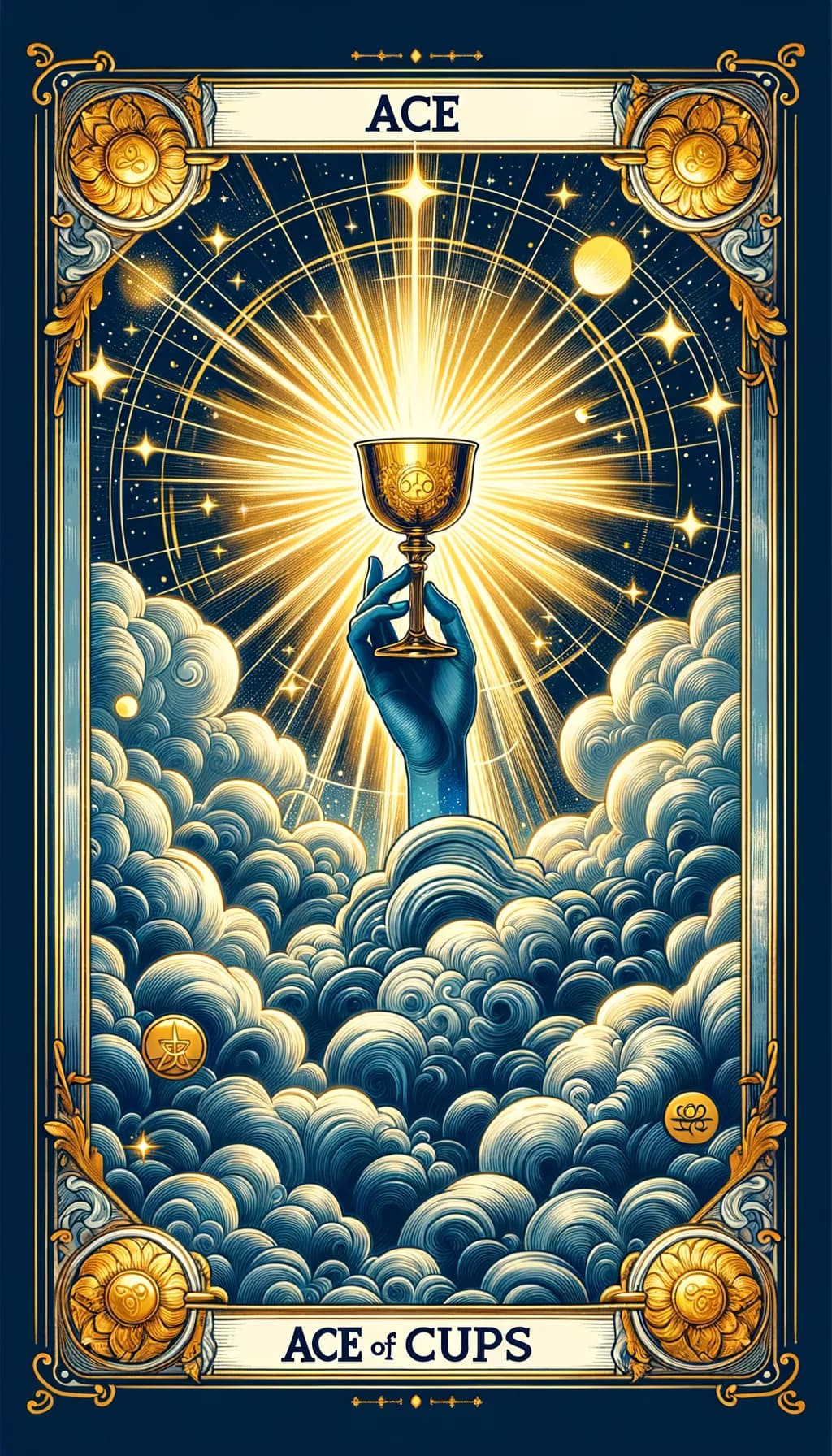
The Ace of Cups alongside the Three of Swords suggests that new emotional beginnings are intimately connected to current grief. A heart that is breaking open may simultaneously be breaking open to receive love in a form it could not previously accept. This combination often appears when loss creates the emotional availability necessary for a more authentic relationship, or when grief deepens compassion to a degree that transforms the querent's capacity for intimacy.
Read full combination →Journal Prompts for Three of Swords
What specific truth am I currently resisting because acknowledging it would require me to grieve something I am not yet ready to release?
When I recall my most significant heartbreak, what wisdom or capacity do I now possess that I would not have developed without that experience — and can I access gratitude for that growth without minimizing the pain that produced it?
Am I currently performing recovery while still carrying unprocessed grief beneath the surface, and if so, what would it look like to give that buried pain honest, undistracted attention?
Reading Insights for Three of Swords
Card Advice
When the Three of Swords appears in a spread, resist the urge to immediately comfort the querent with promises of healing — first, validate the pain. Ask specific questions: What truth have you recently been confronted with? What relationship or situation is causing you acute emotional distress? The card's position matters enormously. In a past position, it indicates a foundational wound that still shapes current behavior. In a present position, it confirms active heartbreak. In a future position, it warns that an approaching truth will be painful but necessary. Pay close attention to surrounding cards: Cups cards suggest the wound is primarily relational, Pentacles indicate material loss compounding emotional pain, and additional Swords suggest the querent may be intellectualizing rather than feeling their grief. The Three of Swords rarely appears for trivial disappointments — when this card surfaces, something genuinely meaningful is at stake. Honor its weight. Never interpret this card as punishment; interpret it as the cost of having invested authentically in something that mattered.
As an Outcome
As an outcome, the Three of Swords suggests that emotional pain or disappointment is unavoidable in this situation. However, this heartbreak will ultimately serve your highest good by clearing away what wasn't meant to last and making space for something more authentic. The tears you shed now are watering the ground from which future joy will grow, and the clarity that follows honest grief will help you make wiser choices in the relationships and commitments that come next.
Three of Swords as a Person
The Three of Swords personality is someone whose life has been profoundly shaped by experiences of loss, betrayal, or heartbreak, and who has transformed that pain into extraordinary emotional depth and empathy. This person does not shy away from difficult feelings — their own or others' — and is often the first to offer genuine comfort during times of crisis. They possess a raw honesty about the human condition that makes them powerful writers, counselors, artists, or healers. Their vulnerability is their greatest strength, though they must guard against becoming defined by their wounds rather than their resilience.
Draw Three of Swords in Your Reading
Ready to see how Three of Swords appears in context? Get a personalized AI-powered tarot reading now.