Eight of Swords Tarot Card
Yes or No: No
The Eight of Swords indicates that your current mental framework is not positioned to achieve the outcome you are asking about. The answer is no — not because the goal is impossible, but because limiting beliefs, fear-based thinking, or incomplete information is preventing you from taking the actions necessary for a positive result. The barriers are cognitive rather than structural. Before asking this question again, identify and challenge the specific assumption that makes you feel powerless in this situation. Once that internal work begins, the answer may genuinely change.
I distinguish between what I genuinely cannot change and what I have simply been too afraid to attempt, and I choose one brave action today to test my own assumptions.
Element
Air
Free Eight of Swords Reading
Premium AI Reading
Understanding Eight of Swords
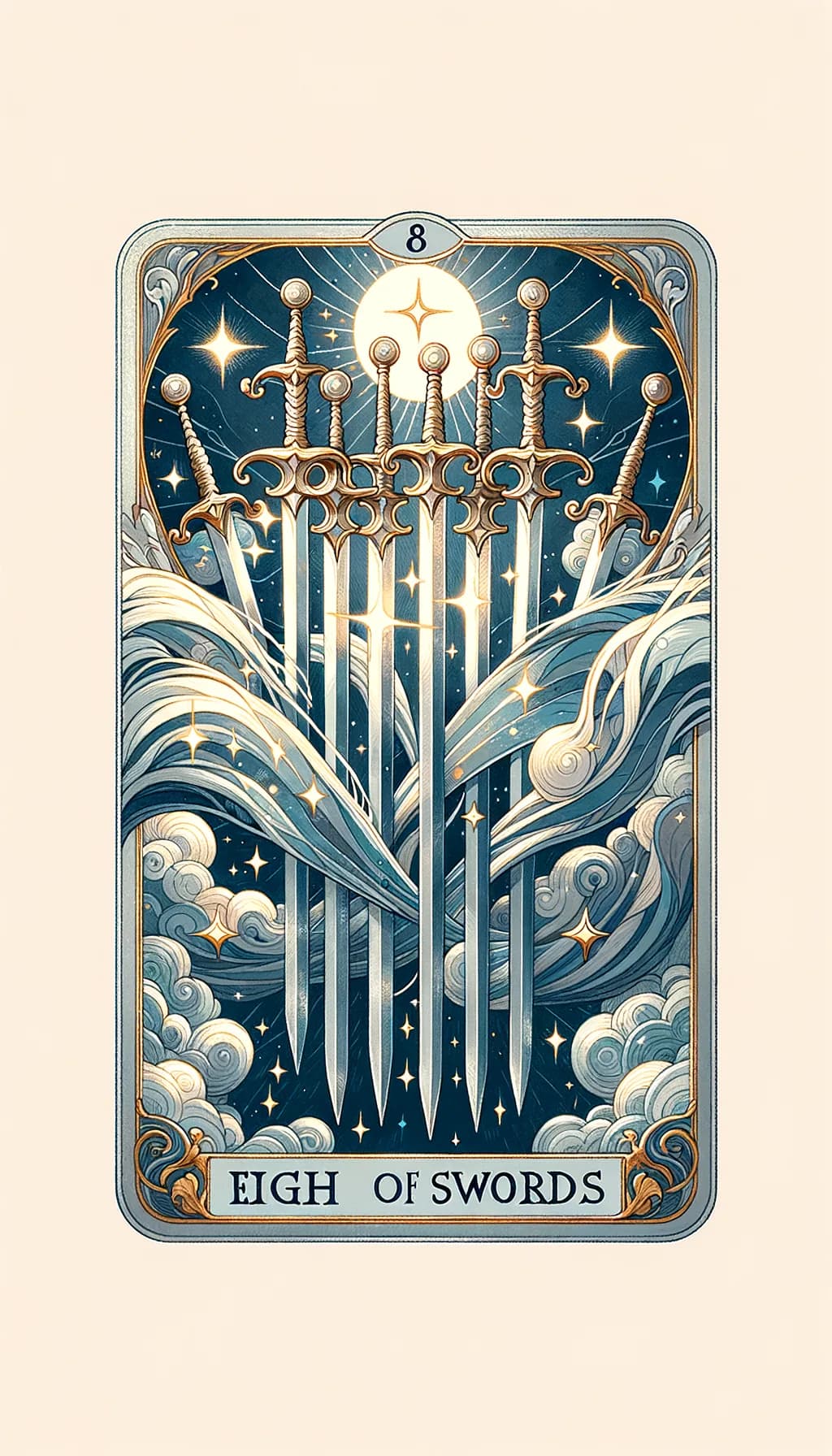
Pamela Colman Smith's illustration for the Eight of Swords presents one of tarot's most psychologically arresting images: a woman stands blindfolded and loosely bound on a muddy shoreline, encircled by eight upright swords planted in the wet earth around her. Her red dress — the color of vitality and life force — contrasts starkly with the grey, featureless sky and the shallow water pooling at her feet, suggesting that passion and capability still exist beneath the appearance of total helplessness. Behind her, a castle perches on a rocky cliff, simultaneously representing the safety she has left behind and the structured life she believes she cannot reach. What makes this card so psychologically potent is the observable fact that the swords do not form a complete enclosure; visible gaps exist between the blades, and her bindings appear loose enough to wriggle free from with modest effort. Waite himself described this card's divinatory meaning as 'bad news, violent chagrin, crisis, censure, power in trammels, conflict, calumny,' yet the Golden Dawn title 'Lord of Shortened Force' — assigned to Jupiter in Gemini — reveals a more nuanced reading. Jupiter's natural expansiveness becomes scattered and diminished when filtered through Gemini's restless mental energy, producing a mind that generates so many anxious possibilities that it paralyzes itself. The number eight in the suit of Swords connects to Hod on the Kabbalistic Tree of Life, the sephirah of intellect and communication, suggesting that the mind's analytical power has turned against itself. This is not a card about external oppression — it is a mirror held up to the elaborate cognitive architectures we build to justify our own inaction, the stories we rehearse about why we cannot move, and the terrifying comfort of familiar helplessness.
Symbolism & Imagery
overview
The blindfolded woman stands as the card's central psychological statement: her eyes are covered not by iron chains but by a simple cloth, indicating that her inability to perceive options is a condition of obscured perception rather than genuine absence of possibility. The eight swords planted around her form an incomplete fence — Smith deliberately painted gaps wide enough for a human body to pass through, making the viewer complicit in recognizing what the figure cannot. Her loosely bound hands, tied in front of her body rather than behind, suggest restraint that could be undone through patience rather than force. The red of her dress against the muted landscape preserves her identity as someone with warmth, desire, and agency buried beneath her current paralysis. The muddy, waterlogged ground beneath her feet connects the Air element of Swords to Water's emotional realm, indicating that anxious thinking has been saturated by feeling — she is not standing on solid intellectual ground but in the murky territory where thought and emotion have become indistinguishable. The distant castle on its fortified cliff represents both origin and aspiration: she may have come from security and now believes herself cut off from it, or she may be gazing toward a goal she has deemed unreachable. The overcast sky offers no directional light, reinforcing the theme that without internal clarity, no external guidance appears. Notably, there is no captor visible anywhere in the image — whoever bound and blindfolded her has departed, leaving her alone with the fiction of her imprisonment.
Eight of Swords Upright
The Eight of Swords upright identifies a specific psychological pattern: you have internalized restrictions that may have once been externally imposed but now persist entirely through your own belief systems. This card frequently appears when someone has survived a genuinely controlling environment — a manipulative relationship, an authoritarian workplace, a rigid family system — and has carried the mental framework of that captivity into circumstances where it no longer applies. You may catch yourself saying 'I can't' when the accurate statement is 'I'm afraid to.' The distinction matters enormously. Concretely, this card surfaces when someone stays in a deteriorating situation because they have catastrophized every alternative into impossibility: the person who won't apply for new jobs because they've convinced themselves no one would hire them, the individual who won't end a draining friendship because they believe they deserve no better, the creative who won't share their work because they've preemptively absorbed every possible criticism. The Eight of Swords asks you to perform a rigorous audit of your assumptions. Write down every reason you believe you are stuck, then examine each one as a hypothesis rather than a fact. You will likely discover that several of your 'impossibilities' are actually discomforts you have been unwilling to face. The card does not minimize genuine hardship — the muddy ground is real, the swords are sharp — but it insists that the difference between feeling trapped and being trapped is the most consequential distinction you can make right now.
Love & Relationships
In romantic readings, the Eight of Swords identifies the specific pattern of staying in unsatisfying or harmful relationship dynamics because you have convinced yourself that alternatives do not exist or that you are unworthy of something healthier. This might manifest as tolerating emotional neglect because you believe your partner's occasional warmth is the best you can attract, or suppressing your authentic personality because past rejection taught you that your real self is unlovable. For single querents, this card points to self-protective mechanisms that have calcified into genuine barriers: the person who swipes left on every dating profile because no one meets their impossible safety criteria, or the individual who unconsciously sabotages promising connections because vulnerability feels identical to danger. The Eight of Swords in love asks whether your romantic 'standards' are actually walls. It challenges you to identify one specific belief about relationships — perhaps 'all the good ones are taken' or 'people always leave eventually' — and trace it back to its origin rather than treating it as universal truth.
Career & Work
Professionally, the Eight of Swords reveals the specific trap of competence without confidence — you possess skills and experience that others can plainly see, yet you have constructed an elaborate internal narrative about why advancement, change, or recognition is impossible for someone like you. This card commonly appears for individuals experiencing imposter syndrome so severe that it has become functionally indistinguishable from actual incompetence, not because they lack ability but because their self-doubt prevents them from demonstrating it. Concrete scenarios include the employee who has mentally rehearsed asking for a raise dozens of times but always talks themselves out of it, the professional who drafts resignation letters and deletes them, or the skilled worker who watches less qualified colleagues advance because those colleagues lack the paralyzing self-awareness that keeps the querent small. The Eight of Swords in career readings particularly targets the belief that financial security requires suffering — the assumption that tolerating a toxic work environment is simply what responsible adults do. Challenge this by gathering objective evidence: update your resume, research market salaries, speak to recruiters. Information is the antidote to the blindfold.
Finances
Financially, the Eight of Swords points to money avoidance behaviors rooted in anxiety rather than actual scarcity. You may be refusing to open bills, check account balances, or calculate your true financial position because the unknown feels more manageable than confronting specific numbers. This card appears when someone has the cognitive ability to create a budget or debt repayment plan but is so overwhelmed by financial shame or fear that they remain in deliberate ignorance. The paradox is that avoidance consistently worsens the very outcomes you fear. The first step is not a financial plan but a psychological one: look at the actual numbers without judgment and recognize that clarity, however uncomfortable, immediately reduces the power of financial anxiety.
Health
In health contexts, the Eight of Swords identifies the pattern of catastrophic thinking about physical symptoms — the tendency to assume worst-case diagnoses, avoid medical appointments out of fear of bad news, or believe that your body is permanently broken beyond repair. This card also appears when mental health challenges like anxiety, depression, or PTSD create a feedback loop where psychological suffering manifests as physical restriction, and physical limitation reinforces psychological hopelessness. The card's core health message is that avoidance of information is not self-protection — it is the blindfold. Schedule the appointment, ask the question, request the second opinion. Knowledge transforms formless dread into actionable information.
Eight of Swords Reversed
The Eight of Swords reversed does not simply indicate freedom — it describes the disorienting, sometimes frightening process of removing a blindfold you have worn so long that light itself feels threatening. When this card appears reversed, you are in the active process of recognizing that your mental prison was largely self-constructed, and this realization brings a complex mixture of relief and grief. Relief because options now become visible; grief because you must confront how much time and potential was lost to unnecessary restriction. Some querents experience this reversal as a sudden awakening — a therapist's observation that finally lands, a friend's honest feedback that penetrates denial, or a crisis that forces action and reveals that the feared consequences of change were far less devastating than imagined. However, the reversed Eight of Swords carries an important caution: the initial rush of liberation can produce overcorrection. Someone who has felt trapped for years may make impulsive, poorly considered decisions simply because they finally feel capable of deciding anything at all. The person who finally leaves a restrictive job may quit without savings or a plan; the individual who breaks free from an unhealthy relationship may immediately enter another without examining their own patterns. True liberation from the Eight of Swords is incremental and reflective — it involves not only removing the blindfold but learning to see accurately in the sudden brightness. This reversal also sometimes indicates that someone external has removed your restrictions before you were psychologically ready to accept freedom, leaving you disoriented rather than empowered.
Love & Relationships
In love, the reversed Eight of Swords describes the moment when you stop accepting relationship dynamics that diminish you — not through dramatic confrontation but through quiet, firm recognition that you deserve reciprocity. This might manifest as finally voicing a need you have suppressed for months, establishing a boundary with a partner who has grown accustomed to your compliance, or peacefully ending a connection that required you to be less than yourself. For those recovering from controlling or abusive relationships, this reversal marks the stage where external freedom begins to match internal liberation — you are not merely out of the situation but genuinely beginning to believe you are worthy of something different. The shadow side of this reversal in love readings is the tendency to test new partners excessively, projecting old captivity onto current freedom, or becoming controlling yourself as a defense against ever feeling powerless again.
Career & Work
Professionally, the reversed Eight of Swords signals concrete action: submitting applications, negotiating compensation, launching projects you have been hoarding in draft folders, or finally addressing a workplace conflict you have been silently enduring. The reversal indicates that your self-assessment is becoming more accurate — you are beginning to see your professional value as others have seen it all along. This often coincides with seeking mentorship, working with a career coach, or receiving objective feedback that contradicts your internal narrative of inadequacy. Watch for the tendency to overcommit or accept every opportunity indiscriminately simply because you are intoxicated by the novelty of feeling capable.
Finances
Financially, the reversed Eight of Swords indicates taking concrete steps to improve your money situation, such as creating budgets, paying down debt, or exploring new income sources. You're moving from feeling powerless about money to taking control of your financial future through practical action and changed mindset.
Health
In health matters, this reversal suggests breaking free from limiting beliefs about your body's capabilities or taking control of your wellbeing through lifestyle changes, treatment, or mental health support. You're moving from feeling like a victim of your health circumstances to becoming an active participant in your healing journey.
Eight of Swords: Yes or No?
The Eight of Swords indicates that your current mental framework is not positioned to achieve the outcome you are asking about. The answer is no — not because the goal is impossible, but because limiting beliefs, fear-based thinking, or incomplete information is preventing you from taking the actions necessary for a positive result. The barriers are cognitive rather than structural. Before asking this question again, identify and challenge the specific assumption that makes you feel powerless in this situation. Once that internal work begins, the answer may genuinely change.
Eight of Swords Combinations
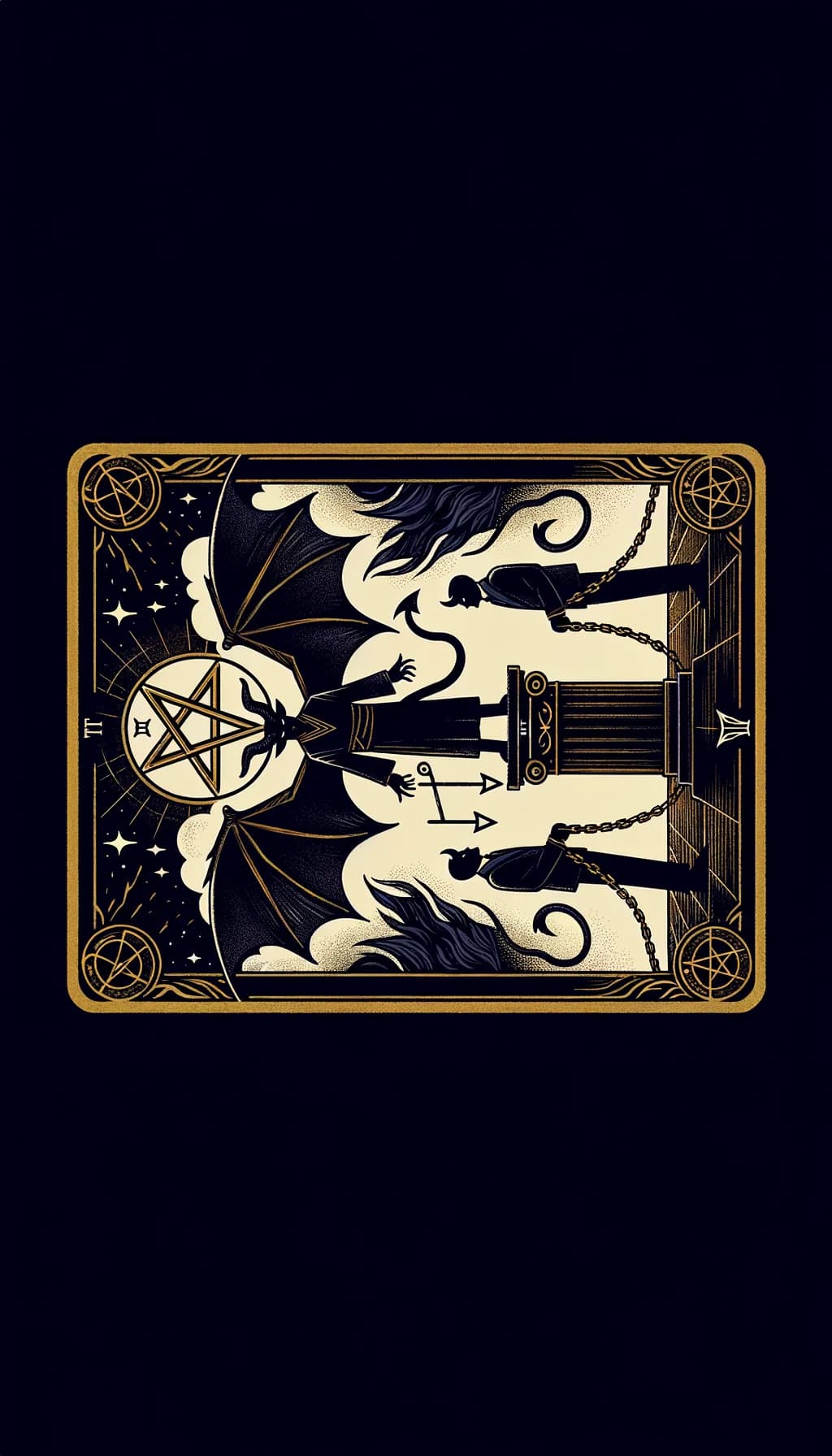
This pairing reveals that your mental imprisonment (Eight of Swords) is reinforced by a material or behavioral addiction (The Devil). Together, these cards identify a specific cycle: anxious thinking drives compulsive behavior, which generates shame, which deepens the sense of entrapment. Breaking free requires addressing both the cognitive patterns and the concrete dependency simultaneously, often with professional support.
Read full combination →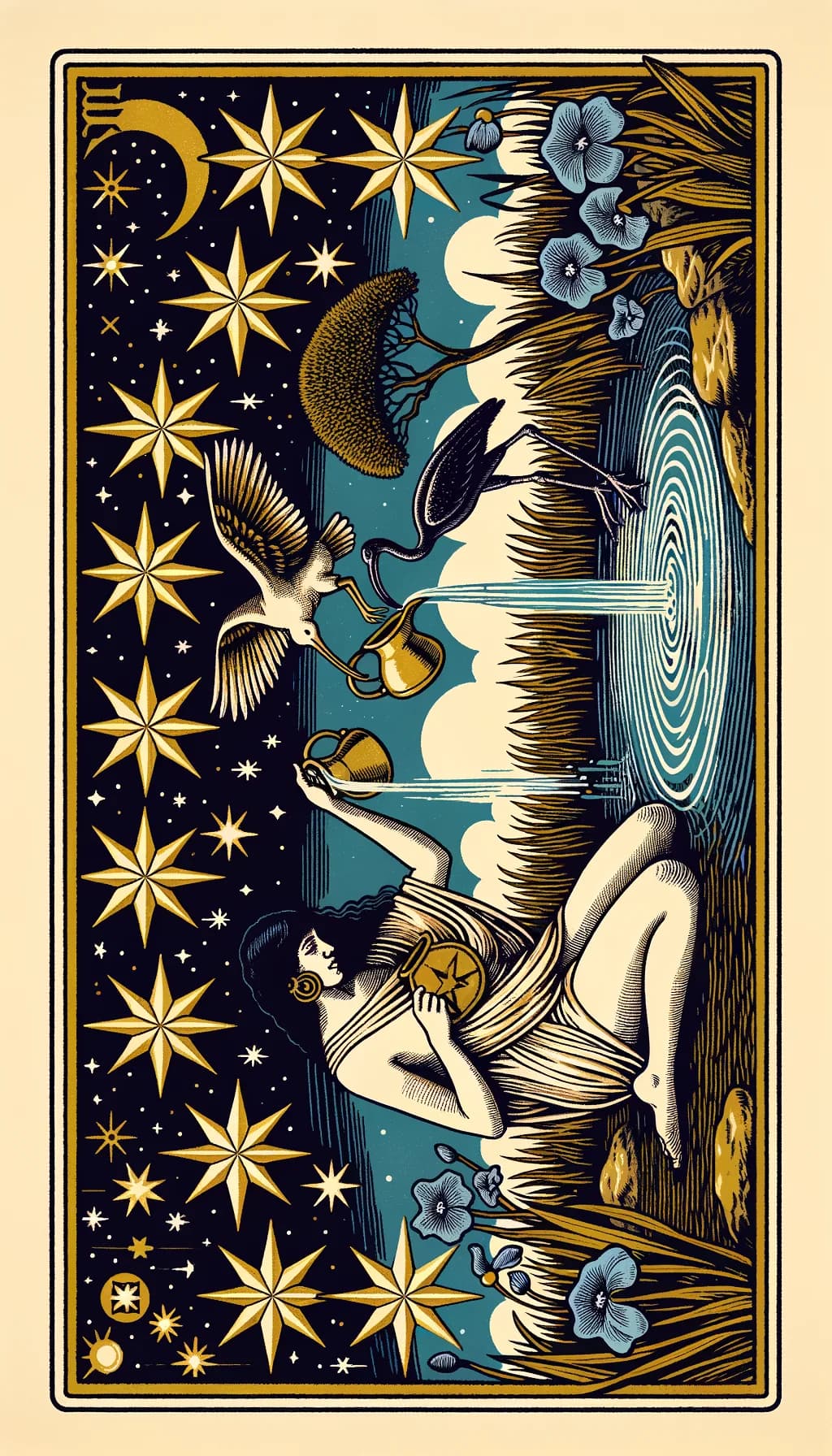
The Star following the Eight of Swords is one of tarot's most hopeful progressions — the blindfold is removed and what you see is not the catastrophe you feared but a quiet, healing landscape of genuine possibility. This combination indicates that the mental prison you have constructed dissolves through reconnecting with authentic hope rather than through force. Therapy, creative expression, or spiritual practice facilitates this transition from paralysis to renewal.
Read full combination →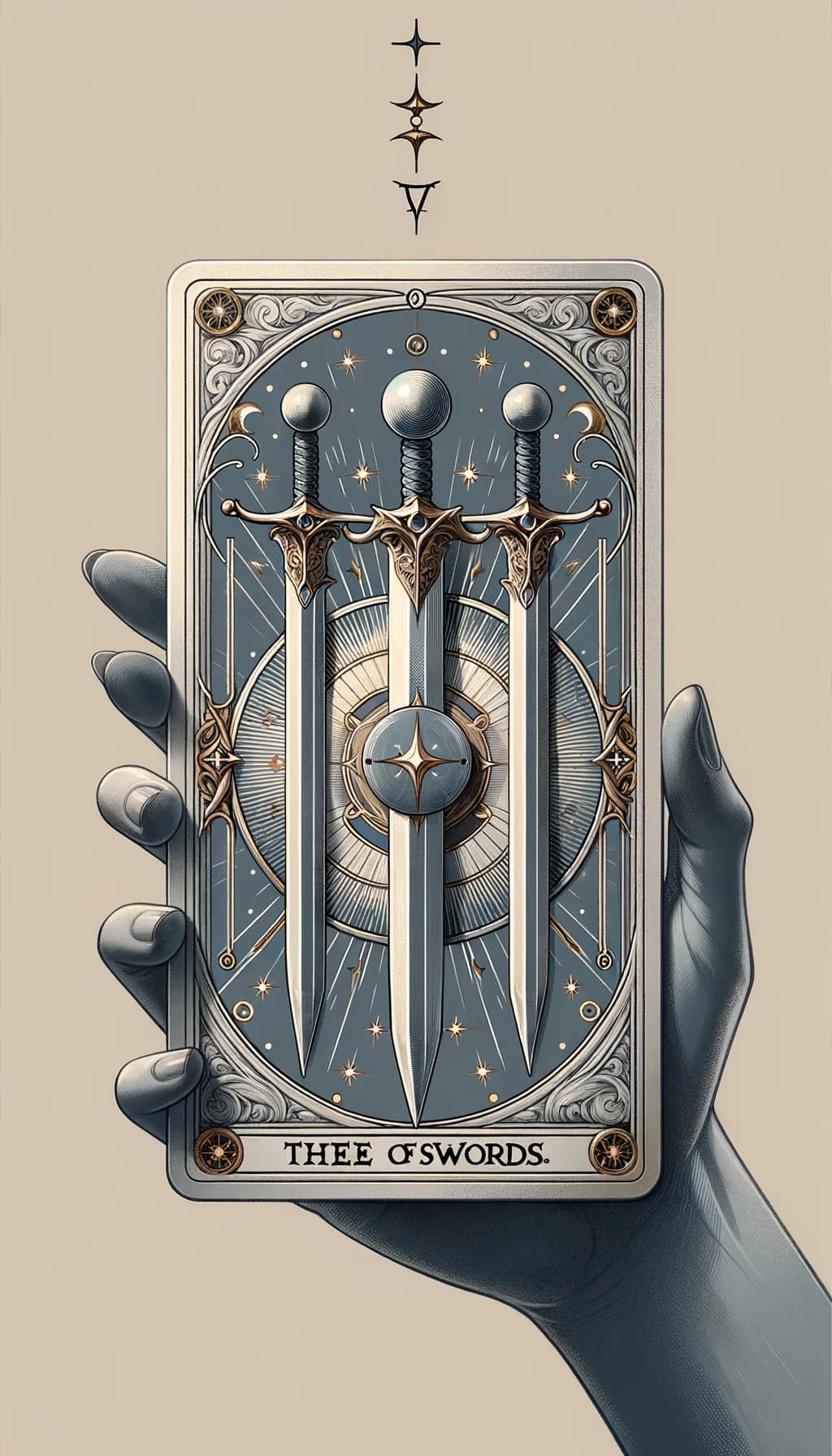
Together, these cards trace a clear psychological pathway: a genuine heartbreak or betrayal (Three of Swords) has been internalized as a permanent worldview of victimhood and helplessness (Eight of Swords). The original wound was real, but you have allowed it to define your entire relational or emotional identity. Healing requires distinguishing between the past event and your present narrative about what that event means for your future.
Read full combination →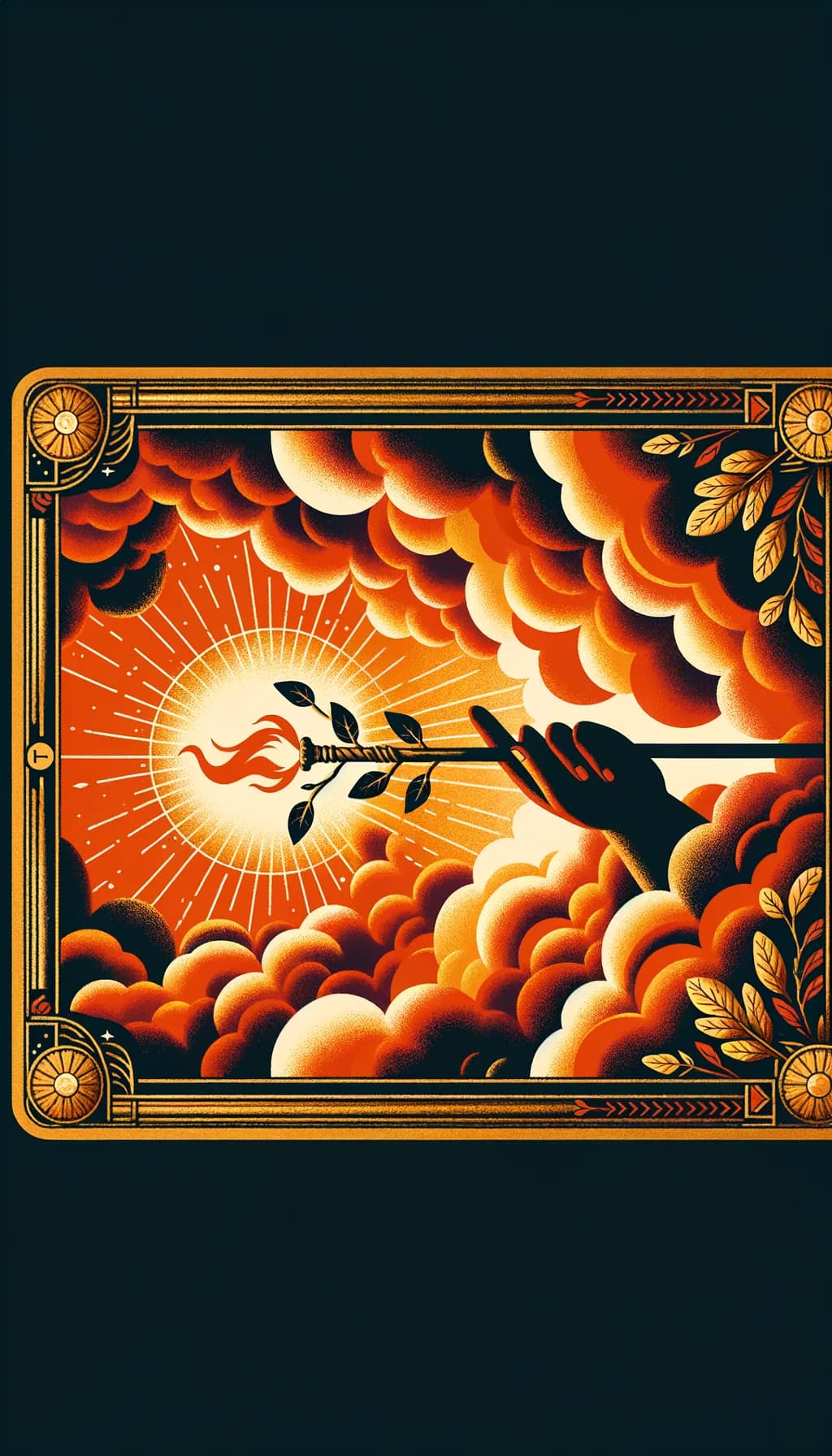
The Ace of Wands bursting through the Eight of Swords' mental cage signals a sudden creative or passionate impulse powerful enough to bypass your usual analytical paralysis. This combination suggests that liberation comes not through thinking your way out but through doing — a spontaneous action, creative project, or bold initiative that proves your limiting beliefs wrong before your mind can construct its usual objections.
Read full combination →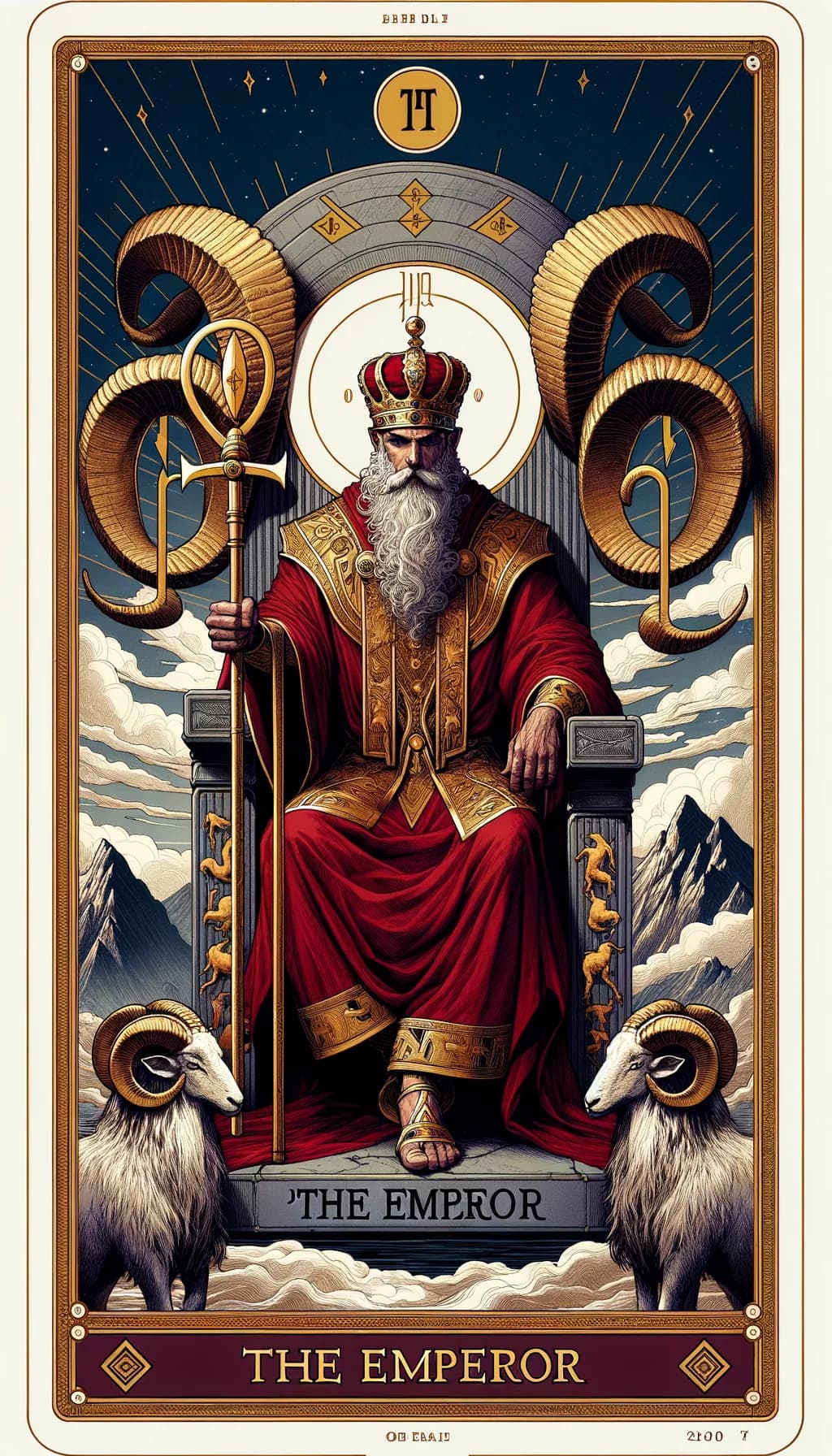
This combination identifies a specific dynamic: an authority figure, institution, or rigid structure is either the original source of your self-imposed limitations or the framework you believe is keeping you trapped. The Emperor may represent a controlling parent, authoritarian boss, or internalized belief system that demands obedience. Resolution requires recognizing where legitimate authority ends and your voluntary submission begins — then reclaiming the sovereignty you have surrendered.
Read full combination →Journal Prompts for Eight of Swords
List five things you currently believe you 'cannot' do, then rewrite each one replacing 'I can't' with 'I am afraid to' — notice which rewritten statements feel uncomfortably accurate and explore why.
Describe a time when you broke free from a situation you once believed was inescapable — what specific moment or realization initiated the shift, and what does that tell you about your current perceived imprisonment?
Identify the voice in your head that reinforces your sense of being trapped: whose voice is it originally (a parent, partner, teacher, or cultural message), and what would you say to that voice if you could respond from your most capable self?
Reading Insights for Eight of Swords
Card Advice
When the Eight of Swords appears in a reading, resist the impulse to immediately reassure the querent that they can free themselves — this often replicates the dismissive responses they already receive from others. Instead, begin by validating their felt experience: the sense of entrapment is real even if the bars are mental. Then gently direct attention to specifics: ask what exactly they believe prevents them from acting. As they articulate their restrictions aloud, both reader and querent often notice how the constraints shift from absolute impossibilities to fearful preferences. Pay attention to surrounding cards for diagnostic clues — Pentacles nearby suggest material concerns anchor the mental trap, while Cups indicate emotional wounds sustain it. The card's position in a spread matters enormously: in a past position, it indicates the querent has already begun freeing themselves; in a future position, it warns that current avoidance patterns will crystallize into genuine stuckness. Always note the gaps between the swords — this card's most therapeutic function is making the invisible exits visible, one specific belief at a time.
As an Outcome
As an outcome, the Eight of Swords suggests that current restrictions are temporary and largely self-created, indicating that liberation depends on changing your perspective and taking personal responsibility for your situation. The resolution you seek will not arrive through external rescue but through your own gradual realization that the barriers were never as solid as they appeared. When you finally remove the blindfold, you will likely be astonished by how many options were available all along, waiting patiently for you to see them.
Eight of Swords as a Person
The Eight of Swords personality is someone in the process of awakening to their own self-imposed limitations — an intelligent, often highly capable individual who has been living far below their potential due to deeply ingrained beliefs about what they can and cannot do. This person frequently says phrases like 'I have no choice' or 'there is nothing I can do,' yet those around them can clearly see pathways the person refuses to acknowledge. Their journey toward liberation is one of the most transformative arcs in the tarot, because once they begin to dismantle their mental prison, the talent and strength that emerges is often extraordinary.
Draw Eight of Swords in Your Reading
Ready to see how Eight of Swords appears in context? Get a personalized AI-powered tarot reading now.