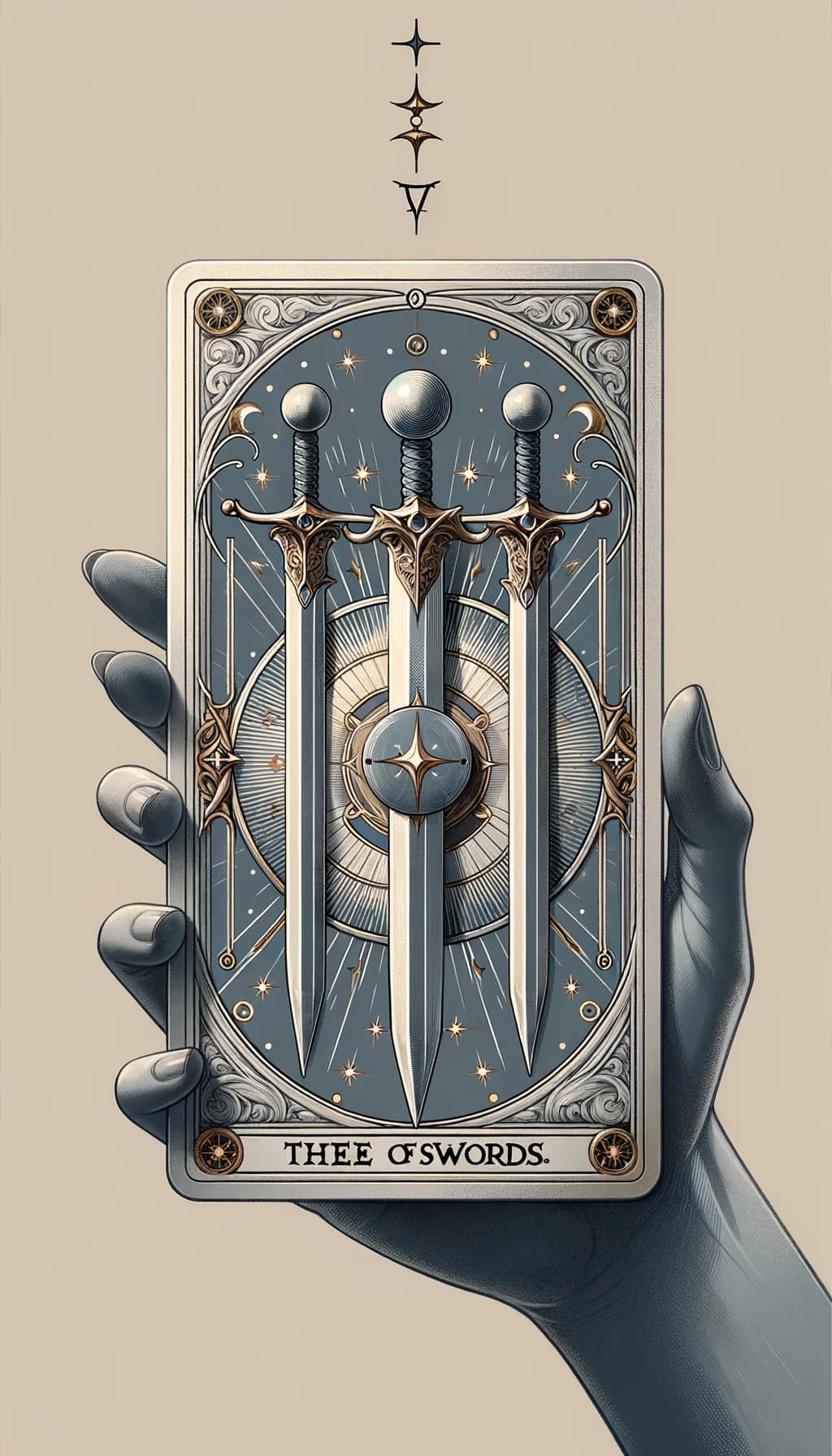
Five of Swords Tarot Card
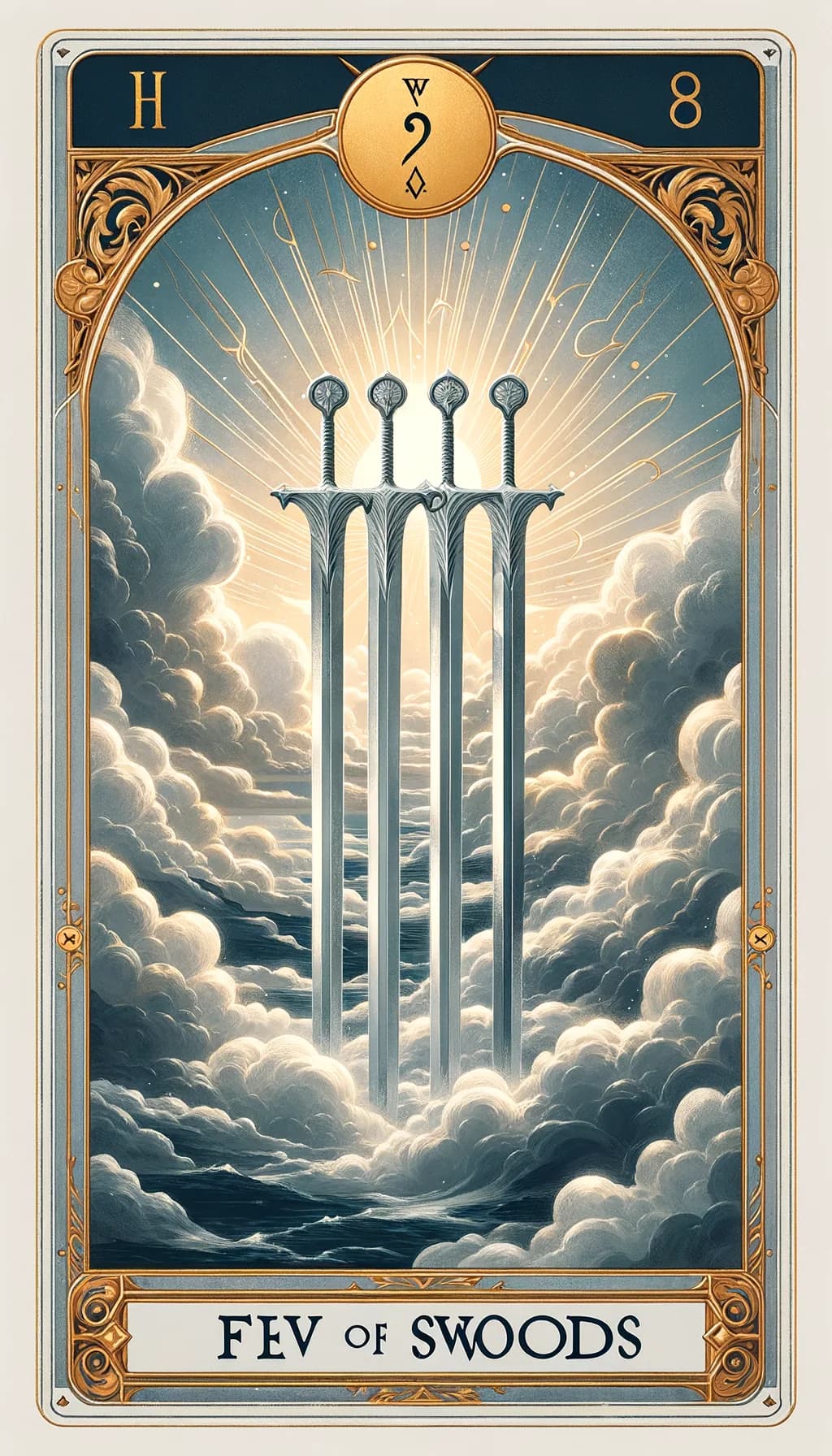
Yes or No: No
The Five of Swords returns a firm no, indicating that pursuing this course leads to a victory that costs more than it delivers or a defeat that leaves lasting damage. The situation you are asking about involves an imbalance of power, questionable ethics, or a competitive dynamic where the rules are not applied fairly. Even apparent success under this card's influence comes with isolation, damaged trust, and the nagging awareness that you compromised something essential to achieve it.
I measure my strength not by the arguments I win but by the integrity I preserve when walking away from fights that would diminish who I am.
Element
Air
Free Five of Swords Reading
Premium AI Reading
Understanding Five of Swords
In the Rider-Waite-Smith Five of Swords, a figure with a self-satisfied smirk gathers three swords while two defeated opponents retreat toward a jagged, wind-torn sea. The sky above churns with sulfurous yellow-green clouds — Pamela Colman Smith's deliberate choice to depict not a storm arriving but one that has already wrung itself out, leaving behind an atmosphere of moral decay rather than cleansing rain. Waite himself described this card bluntly: 'degradation, destruction, revocation, infamy, dishonour, loss.' What distinguishes this Five from other conflict cards in the tarot is its specific focus on the aftermath — not the battle itself but the moment when the victor surveys the wreckage and realizes that dominance has cost them every ally they once had. The two retreating figures do not look back; they have already made their judgment. Astrologically associated with Venus in Aquarius in the Golden Dawn system, this card encodes a specific paradox: the planet of love, beauty, and harmony operating through Aquarius's cool intellectual detachment creates a personality capable of severing emotional bonds with surgical precision while rationalizing it as strategic necessity. As the midpoint of the Swords suit, the Five represents the nadir where mental conflict becomes most corrosive — the thinking mind turned fully against others. The three swords the victor holds versus the two on the ground suggest an uneven contest from the start, raising the uncomfortable question of whether this was ever a fair fight. In readings, this card rarely appears during conflict itself; it surfaces when the querent must reckon with what their appetite for being right has actually cost them in trust, reputation, and genuine human connection.
Symbolism & Imagery
overview
The RWS Five of Swords contains deliberately uncomfortable compositional choices that reward close examination. The central figure faces the viewer while the two defeated figures turn away, creating a triangular composition that places the querent in the uncomfortable position of complicity — you see the smirk, you witness the spoils, and Smith forces you to ask which role you play. The three swords clutched by the victor and the two abandoned on the ground total five, the number of instability, crisis, and necessary disruption across all suits. The choppy green sea in the background is notably shallow — this is not the deep unconscious water of the Major Arcana but the petty, agitated emotional surface of interpersonal conflict. The clouds' particular yellow-green tint in Smith's original painting evokes bruising, sickness, and the nauseous feeling that follows moral compromise. The defeated figures' body language differs meaningfully: one covers their face in shame while the other walks with slumped shoulders but head partially turned, suggesting they are processing rather than merely fleeing. The ground is bare and flat — no vegetation, no structures — indicating that this conflict has stripped the landscape of anything generative. The victor's clothing, a red tunic visible beneath a green outer garment, suggests passion concealed by envy or ambition. His hair blows in the same direction as the retreating figures, indicating that the same winds of discord that scattered them are also working on him, though he has not yet noticed.
Five of Swords Upright
The Five of Swords upright appears when a situation has devolved past productive disagreement into territory where someone is actively winning through intimidation, manipulation, or sheer willingness to fight dirtier than everyone else. In practical readings, this card frequently surfaces in three specific scenarios: the aftermath of an argument where cruel things were said that cannot be unsaid, a competitive situation where someone advanced by sabotaging others rather than excelling on merit, or a social conflict where gossip and alliance-building have replaced honest communication. The card demands rigorous self-honesty about your position in the dynamic. If you are the figure holding three swords, you have won — but your victory has isolated you from the people whose respect and affection you actually need. The hollow feeling in your chest is not triumph; it is the dawning recognition that dominance is not the same as strength. If you identify with the retreating figures, the card validates that you were outmatched by someone willing to cross lines you would not cross, and your retreat is not cowardice but self-preservation. The Five of Swords also appears when someone is engaged in conflict with a person who genuinely enjoys the fight — a narcissistic boss, a controlling partner, or a social rival who feeds on drama. In these cases, the card's core message is unambiguous: you cannot win against someone who has nothing to lose, and the only viable strategy is strategic disengagement before more of your energy, dignity, and peace of mind are consumed by a contest you never should have entered.
Love & Relationships
In love readings, the Five of Swords pinpoints the exact dynamic where one partner consistently wins arguments by fighting unfairly — bringing up past mistakes as ammunition, weaponizing vulnerability that was shared in trust, or escalating every disagreement into a referendum on the relationship itself. This is the card of couples who keep score, where every concession becomes a debt to be collected later. It appears when contempt has replaced curiosity, when partners listen not to understand but to formulate their next rebuttal. For singles, the Five of Swords often represents attraction to people who treat dating as conquest — the person who love-bombs then withdraws, who keeps multiple options open as leverage, or who derives self-worth from being pursued rather than from genuine connection. The card asks a painful question: are you choosing partners who make you compete for their attention because familiar conflict feels safer than unfamiliar intimacy? When this card appears regarding someone's feelings toward you, it frequently indicates they view the relationship through a power lens rather than a partnership lens.
Career & Work
Professionally, the Five of Swords identifies specific toxic dynamics: the colleague who takes credit for collaborative work, the manager who pits team members against each other to maintain control, or the corporate culture where advancement requires stepping on others. This card appears when you have either participated in or been victimized by workplace politics that have crossed ethical boundaries — spreading rumors about a competitor for a promotion, discovering that a trusted colleague undermined you in a meeting you were not present for, or realizing that the company rewards aggressive self-promotion over actual competence. For entrepreneurs, it can indicate winning a client or contract through tactics that compromise your professional reputation. The Five of Swords in career readings often marks the moment when you must decide whether the advancement opportunity is worth the professional relationships and personal integrity it will cost. It also surfaces when someone is considering whistleblowing or confronting institutional wrongdoing, warning that the fight may extract more from them personally than the institution will ever concede.
Finances
Financially, the Five of Swords points to money disputes that have become adversarial — contentious divorce proceedings where assets are weaponized, business partnership dissolutions where one party attempts to claim more than their fair share, or inheritance conflicts that fracture families permanently. It warns against financial decisions motivated by spite, such as spending recklessly to prevent a former partner from benefiting, or pursuing litigation where legal fees will exceed any potential recovery. The card suggests that someone in your financial picture may be operating in bad faith.
Health
The Five of Swords in health readings identifies the specific physiological toll of chronic interpersonal conflict: cortisol elevation from sustained stress manifesting as insomnia, tension headaches clustered at the temples and jaw from clenching, irritable bowel symptoms triggered by anxiety about confrontation, and the immune suppression that follows prolonged emotional warfare. This card points to conditions that medical professionals might label psychosomatic but that are entirely real — your body is keeping score of every fight, every slight, every moment of hypervigilance around a difficult person.
Five of Swords Reversed
The Five of Swords reversed does not simply mean peace has arrived — it describes the complicated, often uncomfortable process of laying down arms when every instinct still screams for vindication. This reversal appears at three distinct stages of conflict resolution, and identifying which stage applies is critical for accurate interpretation. First, it can indicate the exhaustion point where continued fighting has become physically and emotionally unsustainable, leading to ceasefire not from wisdom but from sheer depletion. Second, it appears when genuine moral reckoning occurs — the moment you recognize that you have been the aggressor, that your righteous anger was actually ego protection, and that the people you defeated did not deserve what you inflicted. This is the card's most transformative expression, requiring the courage to apologize without caveat and to accept that restored trust must be earned through sustained behavioral change rather than verbal promises. Third, and most cautiously, the reversed Five of Swords can indicate conflict that has gone underground — the appearance of resolution while resentment calcifies into something harder and more permanent than the original anger. In this expression, smiles conceal contempt, and agreements mask intentions to settle scores later through indirect means. The key diagnostic question when this card appears reversed is: has the need to win actually dissolved, or has it merely found a more sophisticated disguise? True resolution under this reversal requires all parties to grieve what the conflict cost them rather than pretending the damage never occurred.
Love & Relationships
In love readings, the reversed Five of Swords often appears when a couple reaches the critical juncture after a major betrayal or prolonged power struggle where both partners must decide whether reconstruction is genuinely possible. This is not the hopeful reconciliation of the Two of Cups — it is the gritty, unglamorous work of sitting across from someone who hurt you and choosing to remain present rather than retaliating or retreating. The reversal can indicate a partner who is finally taking accountability without deflection, or someone gathering the courage to leave a dynamic where they have been consistently diminished. For singles, it suggests the important inner work of recognizing your own patterns of aggression or submission in past relationships and consciously choosing differently.
Career & Work
Professionally reversed, this card marks the resolution of workplace conflicts through mediation, HR intervention, or the departure of a toxic colleague or manager. It can indicate the decision to leave a cutthroat environment for one that values collaboration, even if it means accepting a lower salary or less prestigious title. The reversal also appears when someone stops engaging with office politics entirely, redirecting their competitive energy toward genuine skill development and letting their work speak for itself rather than managing perceptions and alliances.
Finances
Financially, the reversed card suggests resolving money conflicts through negotiation and compromise rather than adversarial approaches. You're learning from past financial mistakes and developing healthier relationships with money and those who share financial responsibilities with you. This could indicate successfully navigating divorce settlements or inheritance disputes with dignity intact.
Health
Health-wise, the reversed Five of Swords indicates recovery from stress-related ailments as you learn to manage conflict more effectively. You're developing better boundaries and coping mechanisms, leading to improved physical and mental well-being. The chronic tension that was manifesting in your body begins to ease as you disengage from destructive patterns.
Five of Swords: Yes or No?
The Five of Swords returns a firm no, indicating that pursuing this course leads to a victory that costs more than it delivers or a defeat that leaves lasting damage. The situation you are asking about involves an imbalance of power, questionable ethics, or a competitive dynamic where the rules are not applied fairly. Even apparent success under this card's influence comes with isolation, damaged trust, and the nagging awareness that you compromised something essential to achieve it.
Five of Swords Combinations
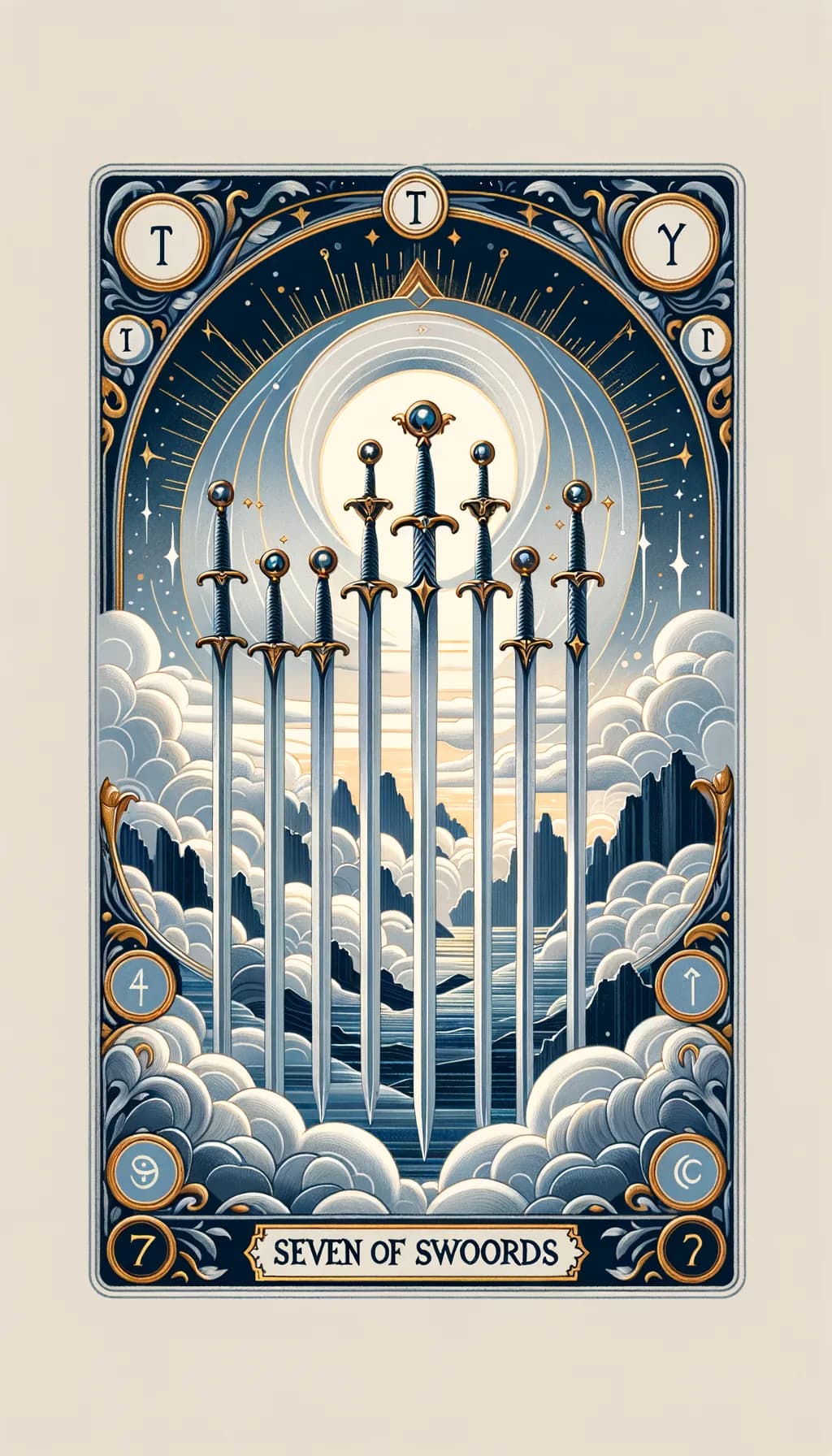
This pairing intensifies themes of deception and strategic manipulation. Together they indicate a situation where someone is not only fighting unfairly but actively concealing their tactics — stealing credit behind closed doors, gaslighting after arguments, or engineering outcomes while maintaining plausible deniability. Protect documentation and trust observable behavior over spoken reassurances.
Read full combination →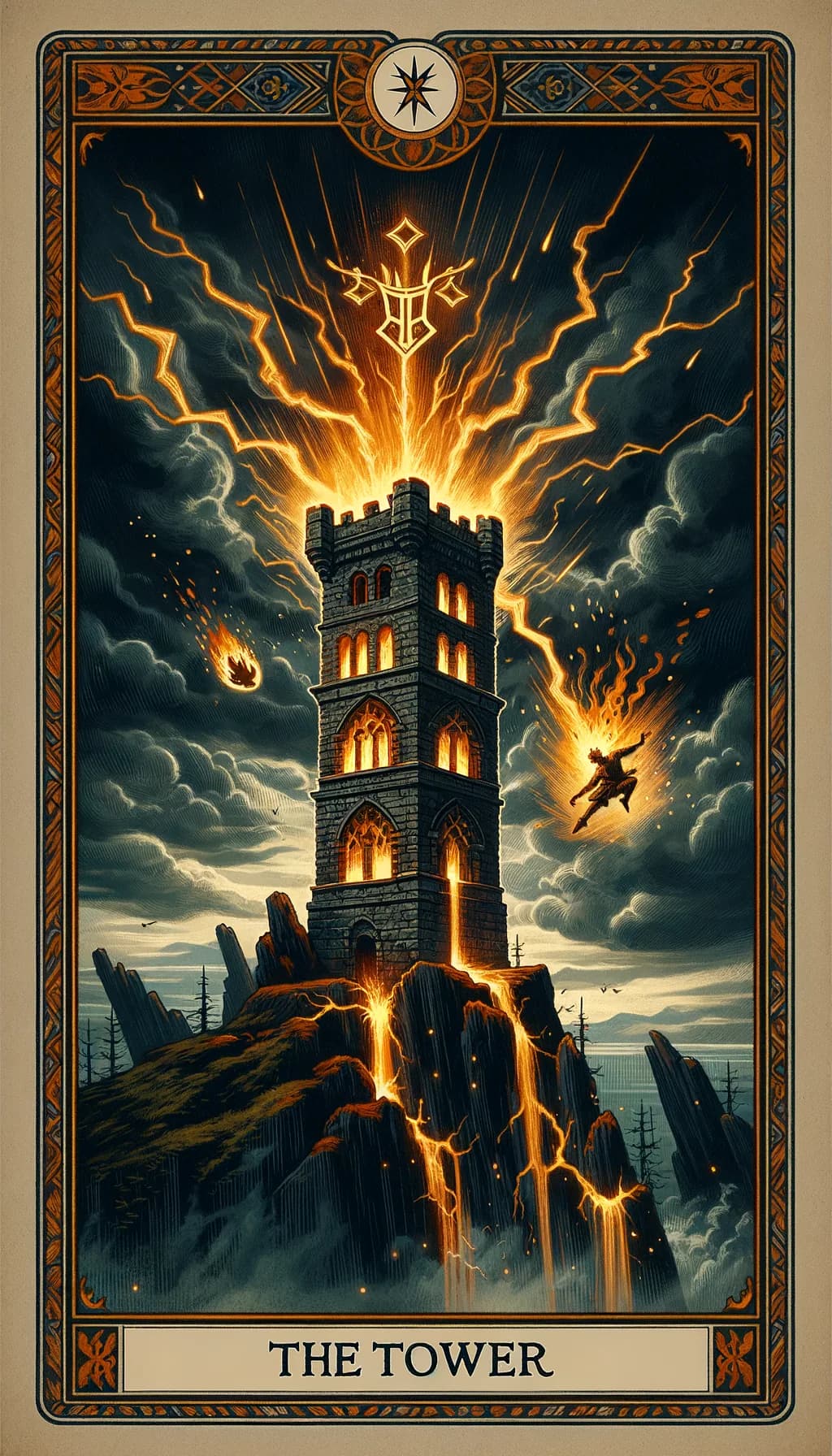
An explosive combination indicating that a simmering conflict reaches catastrophic critical mass. The Tower ensures that what the Five of Swords damaged through gradual erosion now collapses entirely — a public confrontation that ends a professional relationship, a revelation that makes a situation's toxicity undeniable, or an institutional reckoning that forces accountability where evasion previously succeeded.
Read full combination →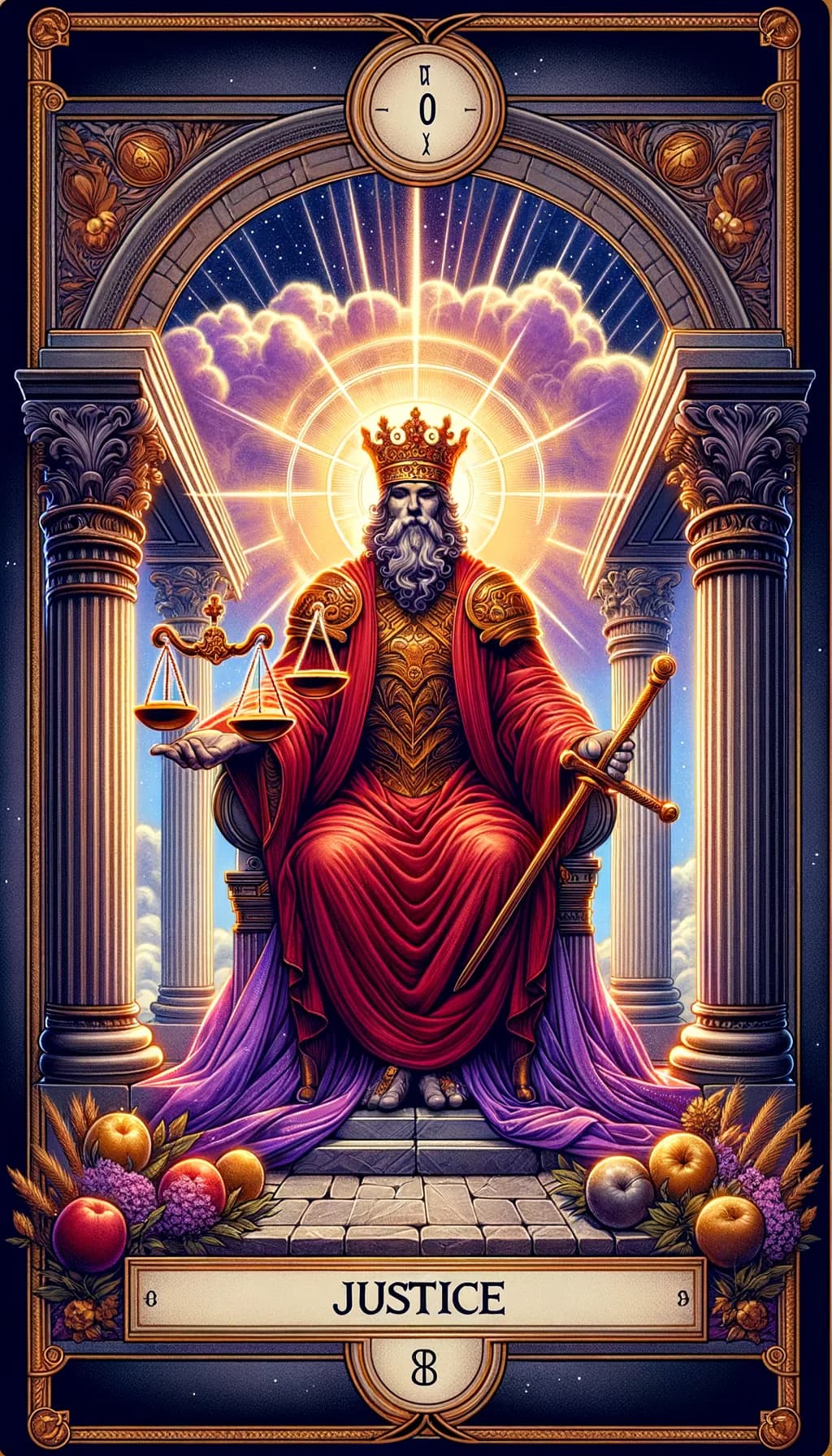
When Justice appears alongside the Five of Swords, the consequences of dishonorable behavior become formally enforceable. This combination points to lawsuits, formal complaints, arbitration, or disciplinary proceedings. The person who fought dirty will face institutional accountability. For the wronged party, this pairing promises that the system will ultimately correct the imbalance, though the process will be demanding and lengthy.
Read full combination →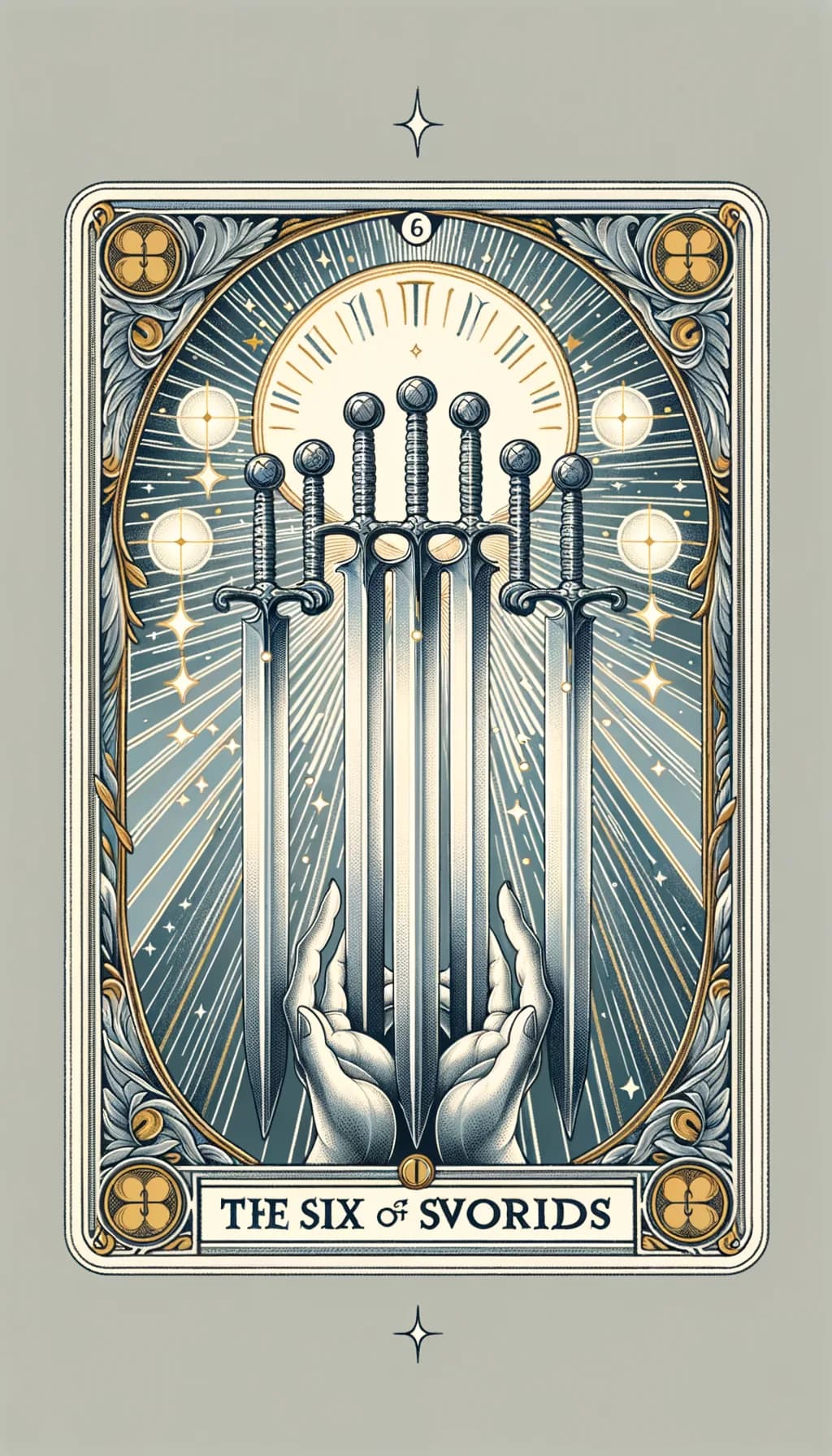
This sequential pairing from the Swords suit tells a clear narrative: the conflict of the Five gives way to the Six's quiet departure toward calmer waters. Together they confirm that the right response to this situation is measured withdrawal — not defeat but deliberate transition away from a toxic environment toward one where your intelligence and energy can serve constructive purposes rather than being consumed by defensive maneuvering.
Read full combination →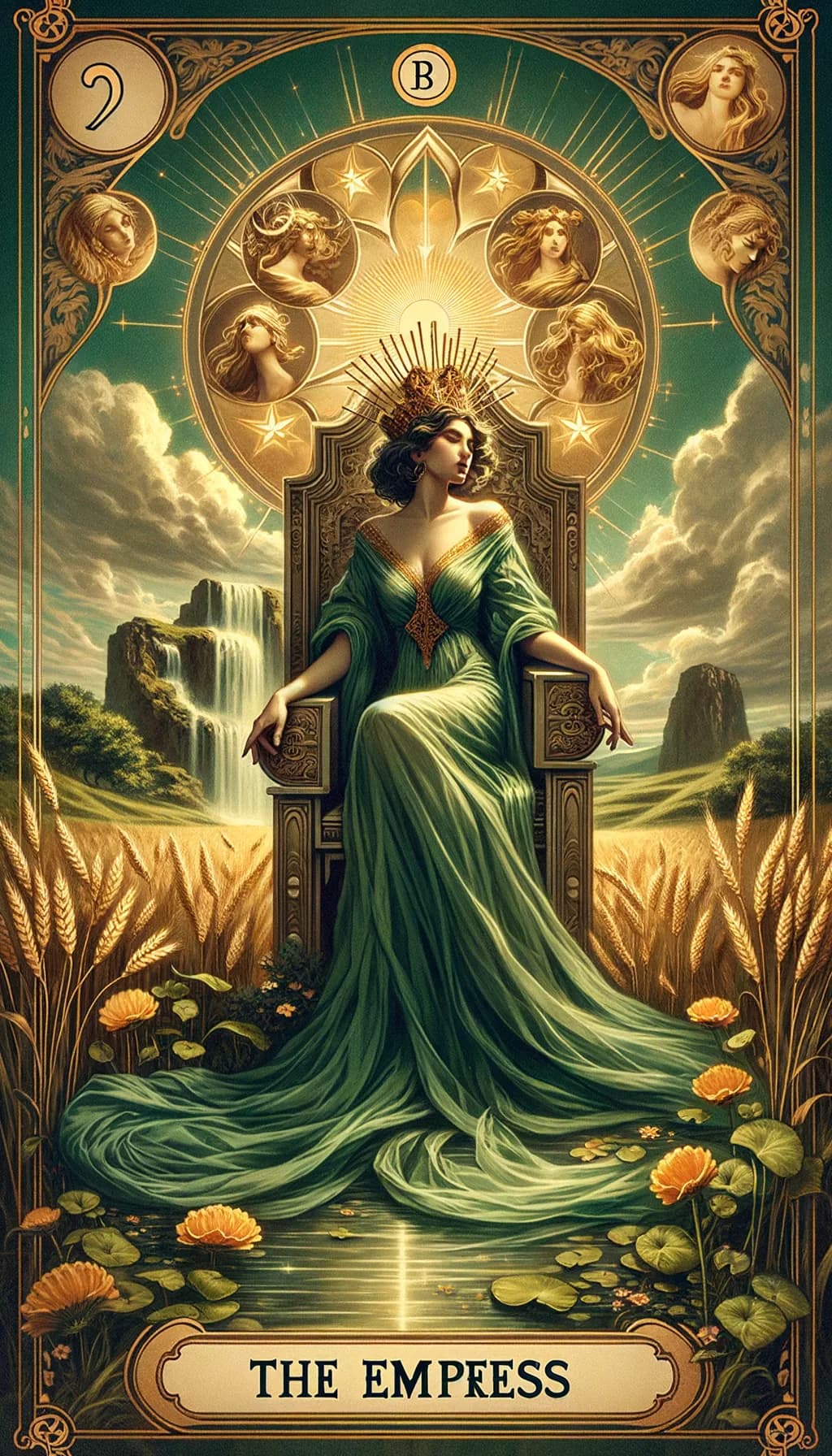
A striking contrast that places the Five of Swords' aggression against the Empress's nurturing abundance. This combination often appears when conflict is damaging a family system or when a mother figure is either the target of someone's cruelty or, less commonly, wielding maternal authority in controlling rather than caring ways. It asks whether creative, generative energy is being sacrificed on the altar of winning.
Read full combination →Journal Prompts for Five of Swords
Identify a recent conflict where you 'won' — what specifically did that victory cost you in terms of trust, connection, or self-respect, and would you make the same choice knowing what you know now?
Think about the person in your life who most resembles the smirking figure in this card — what specific behaviors do they use to maintain dominance, and how do you typically respond to those tactics?
Write about a time you chose to walk away from a fight you could have won — what motivated that choice, how did it feel in the moment versus weeks later, and what did that restraint teach you about your own relationship with power?
Reading Insights for Five of Swords
Card Advice
When the Five of Swords appears in a spread, resist the impulse to immediately cast the querent as either victor or victim — the card's power lies in its ambiguity about roles. Begin by examining its position: in the past, it indicates a formative conflict whose lessons still influence present behavior; in the present, it demands honest assessment of an active power struggle; in the future, it warns that current tensions will escalate unless the dynamic is consciously disrupted. Ask the querent directly: 'Who in this situation is collecting swords, and who is walking away?' Their answer reveals not objective reality but their perception of the power dynamic, which is equally valuable for interpretation. Pay particular attention to surrounding cards — the Five of Swords next to cards of emotional depth (Cups suit) suggests the conflict is personal and intimate, while Pentacles neighbors indicate material stakes like money or property. The most common misreading of this card is treating it as purely external; in many readings, the Five of Swords represents an internal conflict where the querent's own aggressive impulses are at war with their desire for harmony. The smirking figure and the retreating figures can represent different aspects of the same psyche. Always close interpretation of this card with the practical question: what specific action can the querent take today to either resolve or remove themselves from this dynamic?
As an Outcome
As an outcome, the Five of Swords warns that current conflicts may result in hollow victories or necessary defeats that ultimately serve your highest good. Focus on preserving your values rather than winning at any cost. The aftermath of this situation will reveal who your true allies are and what your real priorities have been all along. Use the lessons from this conflict to develop healthier approaches to disagreement, competition, and the responsible use of intellectual power in future encounters.
Five of Swords as a Person
The Five of Swords personality is the sharp-minded competitor who has learned — often the hard way — that intellectual dominance without ethical restraint leads to isolation and emptiness. At their best, this person channels their formidable debating skills into advocacy, negotiation, and strategic problem-solving. At their worst, they become the person who must win every argument regardless of the relational cost. Their life lesson centers on discovering that true strength lies not in defeating others but in knowing which battles deserve their energy and having the wisdom to walk away from the rest.
Draw Five of Swords in Your Reading
Ready to see how Five of Swords appears in context? Get a personalized AI-powered tarot reading now.