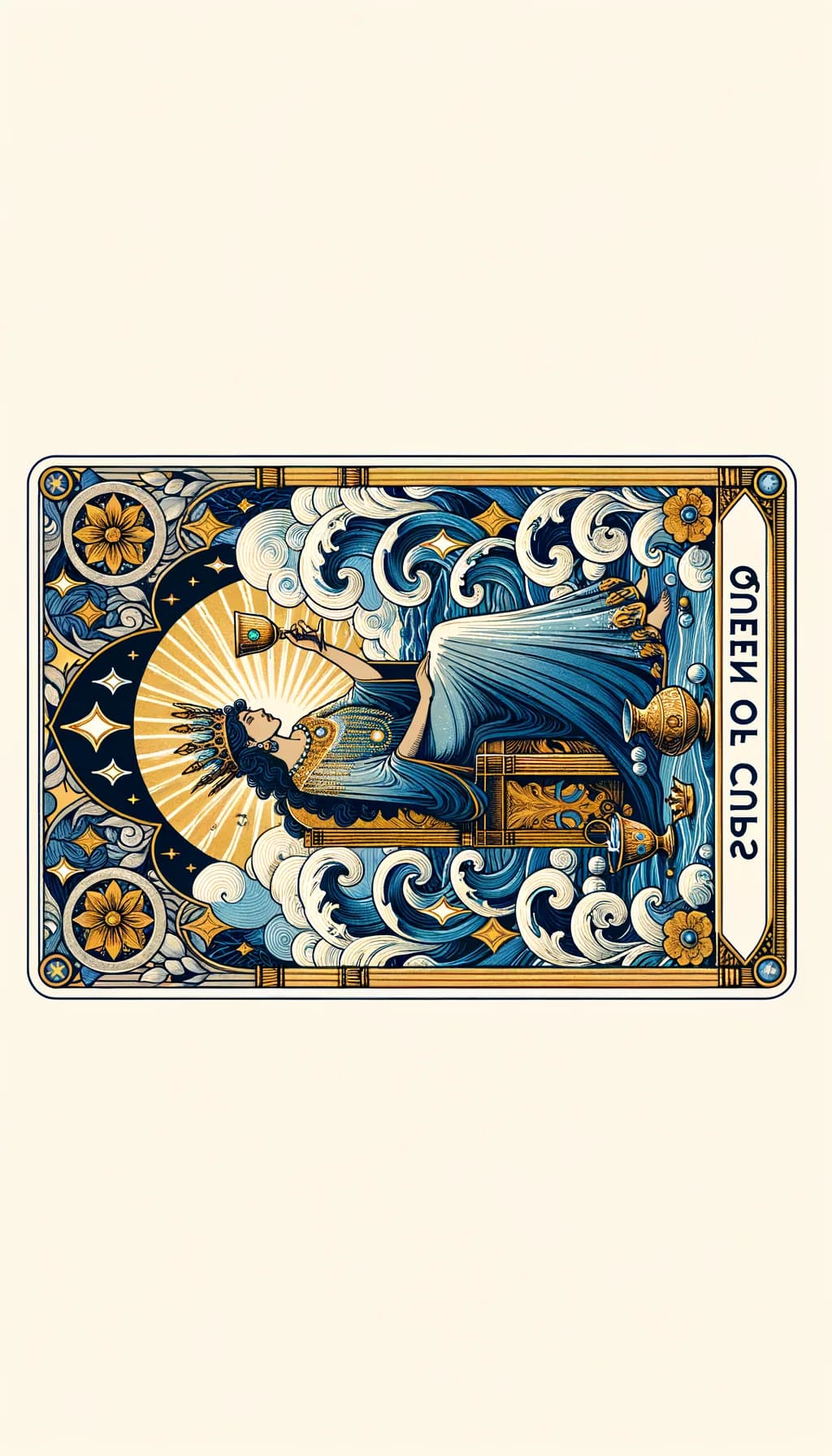
Ace of Cups Tarot Card
Yes or No: Yes
The Ace of Cups delivers one of tarot's clearest affirmatives, particularly for questions involving love, emotional healing, creative endeavors, and spiritual growth. The divine hand actively offers the cup — this is not passive possibility but direct bestowal. Your question is being answered with grace and emotional abundance. The only caveat: this yes requires your willingness to receive. If your question involves purely material concerns with no emotional component, the affirmation still holds but arrives through heart-centered rather than strategic means.
I open my hands and my heart to receive what has been divinely prepared for me, trusting that I am worthy of the love now arriving.
Element
Water
Free Ace of Cups Reading
Premium AI Reading
Understanding Ace of Cups
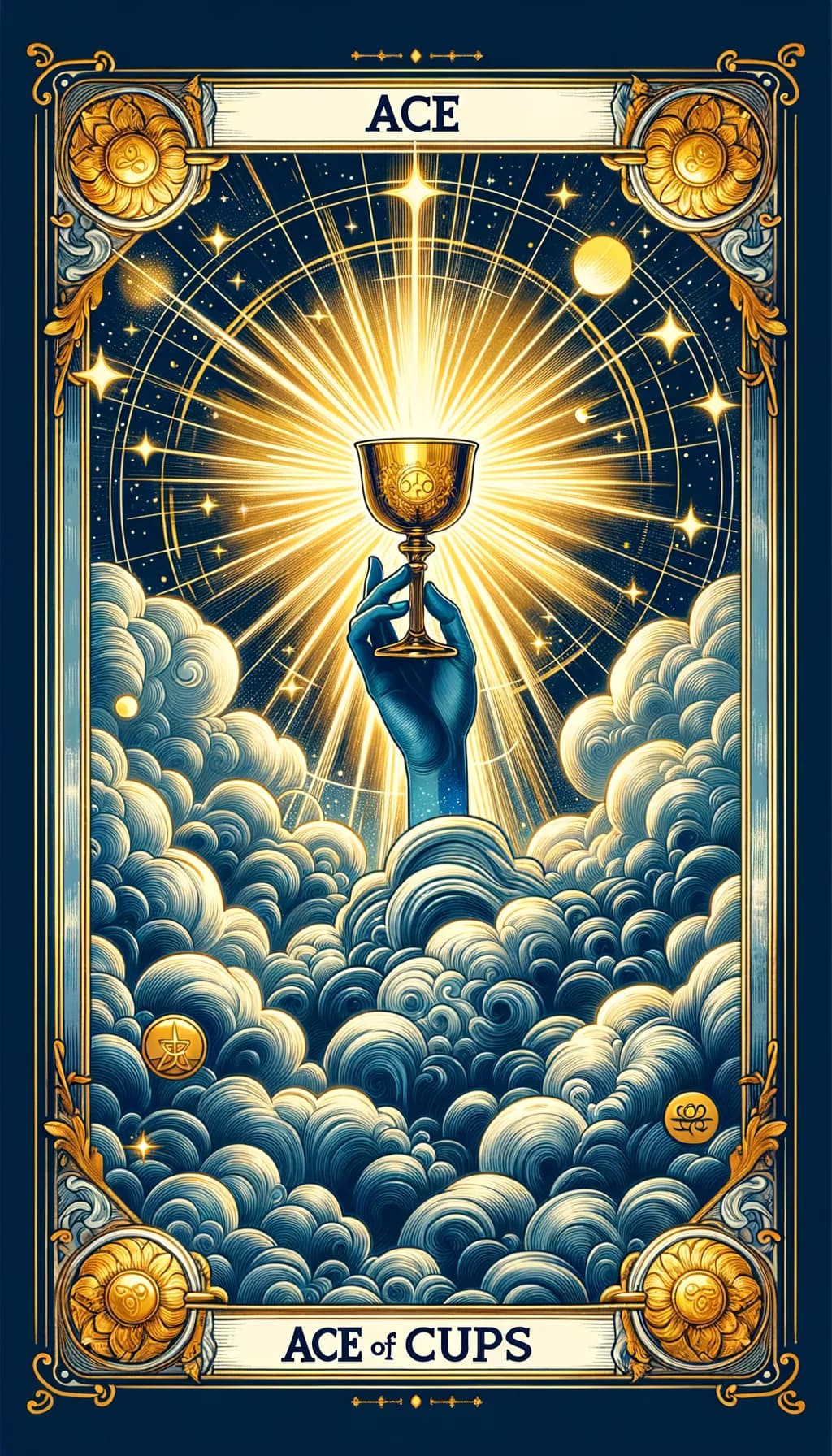
In Pamela Colman Smith's illustration for the Rider-Waite-Smith deck, a luminous hand extends from a grey cloud — the Hand of God motif that Waite borrowed from medieval iconography — cradling a golden chalice inscribed with a prominent 'W' (often interpreted as Waite's personal cipher or a reference to the Hebrew letter Mem, meaning water). From this vessel, five distinct streams cascade downward into a pond scattered with lotus blossoms, while a white dove descends carrying a communion wafer marked with an equal-armed cross. This single image encodes an entire theology of emotional experience: the cup as Holy Grail, the dove as Holy Spirit, the wafer as transubstantiated divine substance entering the material world through the vehicle of feeling. Waite himself wrote in The Pictorial Key to the Tarot that the card depicts 'the waters of the soul' and 'the beginning of all fertility.' Unlike the Aces of the other suits, which thrust upward (Wands, Swords) or sit solidly grounded (Pentacles), the Ace of Cups pours downward — a critical directional detail suggesting that this gift arrives through surrender rather than effort. The twenty-six droplets surrounding the cup (often counted by careful observers) evoke the gematria value of the Tetragrammaton, YHVH, reinforcing Waite's insistence that this card connects human love to its divine source. In the Golden Dawn tradition from which Waite drew, this card was assigned the title 'Root of the Powers of Water,' placing it as the primordial seed from which the entire emotional spectrum — from the bliss of the Two of Cups to the grief of the Five — ultimately unfolds. When the Ace of Cups appears in a reading, it does not merely predict happiness; it announces that the psyche's capacity for feeling has been activated at its deepest root.
Symbolism & Imagery
overview
The golden chalice itself resembles a church communion cup with Gothic architectural detailing, deliberately linking personal emotion to sacred ritual — Waite's message that every authentic feeling participates in something transpersonal. The five streams pouring from the cup correspond to the five senses, the five wounds of Christ, and the five points of the pentagram, suggesting that emotional awakening touches every dimension of embodied experience simultaneously. The lotus blossoms floating on the pond below are specifically rendered as water lilies in various stages of opening, from tight bud to full bloom — a Buddhist symbol Smith likely chose to indicate that emotional maturity unfolds gradually even when the initial gift arrives suddenly. The dove descending with the communion wafer creates a vertical axis connecting sky, cup, and water — spirit, soul, and unconscious — establishing the Ace of Cups as a conduit between realms rather than a static object. The grey cloud from which the hand emerges is neither stormy nor sunlit; it exists in a liminal state suggesting that this gift comes from beyond ordinary perception, from what Jung would call the Self rather than the ego. The calm pond below has no visible shore or horizon line, implying that the subconscious waters receiving this divine outpouring are boundless. Smith painted the water a pale, almost translucent blue, distinguishing it from the deeper blues of ocean cards like the Two of Swords, emphasizing purity and potentiality over depth already plumbed.
Ace of Cups Upright
The Ace of Cups upright marks the precise moment when emotional numbness breaks and genuine feeling floods back into your life. This is not vague sentimentality — it manifests as concrete, recognizable experiences: the sudden tears that arrive while listening to a piece of music you've heard a hundred times, the unexpected warmth you feel toward a stranger, the dream that leaves you shaken with its emotional clarity. In practical readings, this card frequently appears when someone is about to receive a proposal, learn of a pregnancy, begin a therapeutic process that genuinely reaches buried feelings, or encounter a person who activates a part of the psyche that has been dormant. The Ace of Cups differs from cards like the Two or Ten of Cups because it describes potential rather than actualization — the seed, not the harvest. What you do with this emotional opening determines whether it develops into lasting intimacy or dissipates. The card also carries strong creative connotations: poets, musicians, and visual artists often draw it during periods when their work suddenly accesses a deeper register. Pay attention to synchronicities involving water — unexpected rain, dreams of swimming, an impulse to visit the ocean — as the element is literally calling to you. The key teaching of this upright Ace is receptivity: the hand offers the cup, but you must choose to drink from it.
Love & Relationships
In love readings, the Ace of Cups signals the arrival of emotional experience that feels qualitatively different from what came before. For singles, this typically means meeting someone who bypasses your usual defense mechanisms — you find yourself sharing things you normally guard, feeling safe in ways you cannot logically explain. This is not mere infatuation; the Ace of Cups connection often has a quality of recognition, as though something dormant in your emotional body has been activated by this specific person. For established couples, the card frequently appears around conception, engagement, or a moment of radical honesty that deepens the relationship irreversibly. One partner may finally voice a vulnerability they've concealed for years, and instead of the feared rejection, they receive genuine understanding. The card also governs self-love — specifically the moment when self-criticism loosens its grip and you experience authentic compassion toward your own imperfections.
Career & Work
Professionally, the Ace of Cups appears when work begins to feel meaningful rather than merely functional. Concrete manifestations include receiving an offer in counseling, therapy, healthcare, the arts, or nonprofit work — any field where emotional engagement is the core skill rather than an afterthought. It also marks the beginning of a creative project that excites you on a visceral level: the novel outline that makes your chest tight with anticipation, the business idea rooted in genuine service rather than market calculation. In workplace dynamics, this card can indicate a new colleague or mentor who brings unusual warmth and psychological safety to your professional environment. If you've been weighing a career change toward something more heart-aligned, the Ace of Cups confirms that the emotional pull you're feeling is worth following. It does not guarantee financial success — that's the domain of Pentacles — but it promises that the work itself will nourish you.
Finances
The Ace of Cups in financial readings suggests money arriving through channels connected to emotional or creative value — a gift, an inheritance motivated by love, income from artistic work, or compensation for caregiving. This card advises making financial decisions from emotional intelligence rather than spreadsheet logic alone. Trust your gut feeling about an investment opportunity that others might dismiss as too idealistic. Generosity circulates wealth now; what you give freely tends to return through unexpected doors. This is not a card of windfall abundance but of resources arriving with a sense of grace attached to them.
Health
Health-wise, the Ace of Cups points to emotional release as a pathway to physical improvement. Specifically, it favors beginning therapy, joining a support group, or starting any practice that allows suppressed feelings to move through the body rather than lodge in it. Conditions aggravated by emotional holding — tension headaches, digestive issues linked to anxiety, chronic inflammation correlated with unprocessed grief — may begin to ease when you honor the emotional current this card represents. Hydration is literally indicated: increase water intake, consider hydrotherapy, spend time near natural bodies of water. Fertility is strongly favored under this card.
Ace of Cups Reversed
The Ace of Cups reversed does not simply mean 'no love' — it describes a specific and painful psychological state in which the capacity for feeling exists but cannot find expression or reception. Imagine the cup turned upside down: the water pours out but misses the pond entirely, soaking into barren ground. In practice, this manifests as creative blocks that feel physically frustrating, as though inspiration sits just behind a locked door you can hear but not open. It appears when someone is performing the motions of intimacy — saying 'I love you,' attending to a partner's needs, going on dates — while feeling emotionally hollow inside. The reversed Ace often signals what psychologists call alexithymia: difficulty identifying and describing one's own emotions. Past emotional trauma, particularly early attachment wounds, frequently underlies this card's reversed appearance. You may have learned that emotional openness leads to pain, so you've developed sophisticated defenses that now prevent you from accessing the very feelings you crave. The card can also indicate an emotional gift being offered that you're refusing out of unworthiness — someone loves you genuinely, but you cannot believe it, so you sabotage or withdraw. In creative contexts, the reversed Ace suggests over-editing, perfectionism that strangles the initial impulse before it can breathe, or consuming others' creative work enviously rather than trusting your own voice. The remedy is not to force feeling but to create the conditions — safety, stillness, permission — under which feeling can return organically.
Love & Relationships
In love readings, the reversed Ace of Cups frequently points to emotional unavailability that masquerades as something else — busyness, independence, or casual dating preferences that are actually defenses against vulnerability. You or a potential partner may genuinely desire intimacy but find that when the moment of real openness arrives, a reflexive shutdown occurs: changing the subject, making a joke, pulling away physically. This card also appears in situations of unrequited love where one person's cup overflows toward someone whose cup is inverted — creating an asymmetry that feels devastating for the giver and suffocating for the withholder. The reversed Ace asks whether your heart is truly closed or simply frightened, because the distinction determines your next step.
Career & Work
The reversed Ace of Cups in career readings describes work that drains emotional energy without replenishing it — the helping professional experiencing compassion fatigue, the artist who has commercialized their gift until it feels mechanical, the employee in a toxic workplace where authentic feeling is punished. Creative blocks are pronounced: you know what you want to make but cannot access the emotional current that would bring it to life. This reversal sometimes indicates a rejected creative proposal or a job offer in a heart-centered field that falls through. Reconnect with the original feeling that drew you to your work before external pressures distorted it.
Finances
The reversed Ace of Cups in financial matters suggests emotional spending or making money decisions from a place of fear rather than wisdom. You might be overly generous to your own detriment or, conversely, hoarding resources out of emotional insecurity. Financial opportunities may be present but you're unable to recognize or receive them due to limiting beliefs about your worthiness. Focus on healing your emotional relationship with money and abundance.
Health
Health-wise, the reversed Ace of Cups often points to the physical manifestation of emotional blockages. Suppressed emotions, particularly grief or unexpressed love, may be impacting your wellbeing. This card suggests the need to address emotional health as a pathway to physical healing. You might benefit from therapies that help you connect more deeply with your feelings and release emotional toxins from your system.
Ace of Cups: Yes or No?
The Ace of Cups delivers one of tarot's clearest affirmatives, particularly for questions involving love, emotional healing, creative endeavors, and spiritual growth. The divine hand actively offers the cup — this is not passive possibility but direct bestowal. Your question is being answered with grace and emotional abundance. The only caveat: this yes requires your willingness to receive. If your question involves purely material concerns with no emotional component, the affirmation still holds but arrives through heart-centered rather than strategic means.
Ace of Cups Combinations
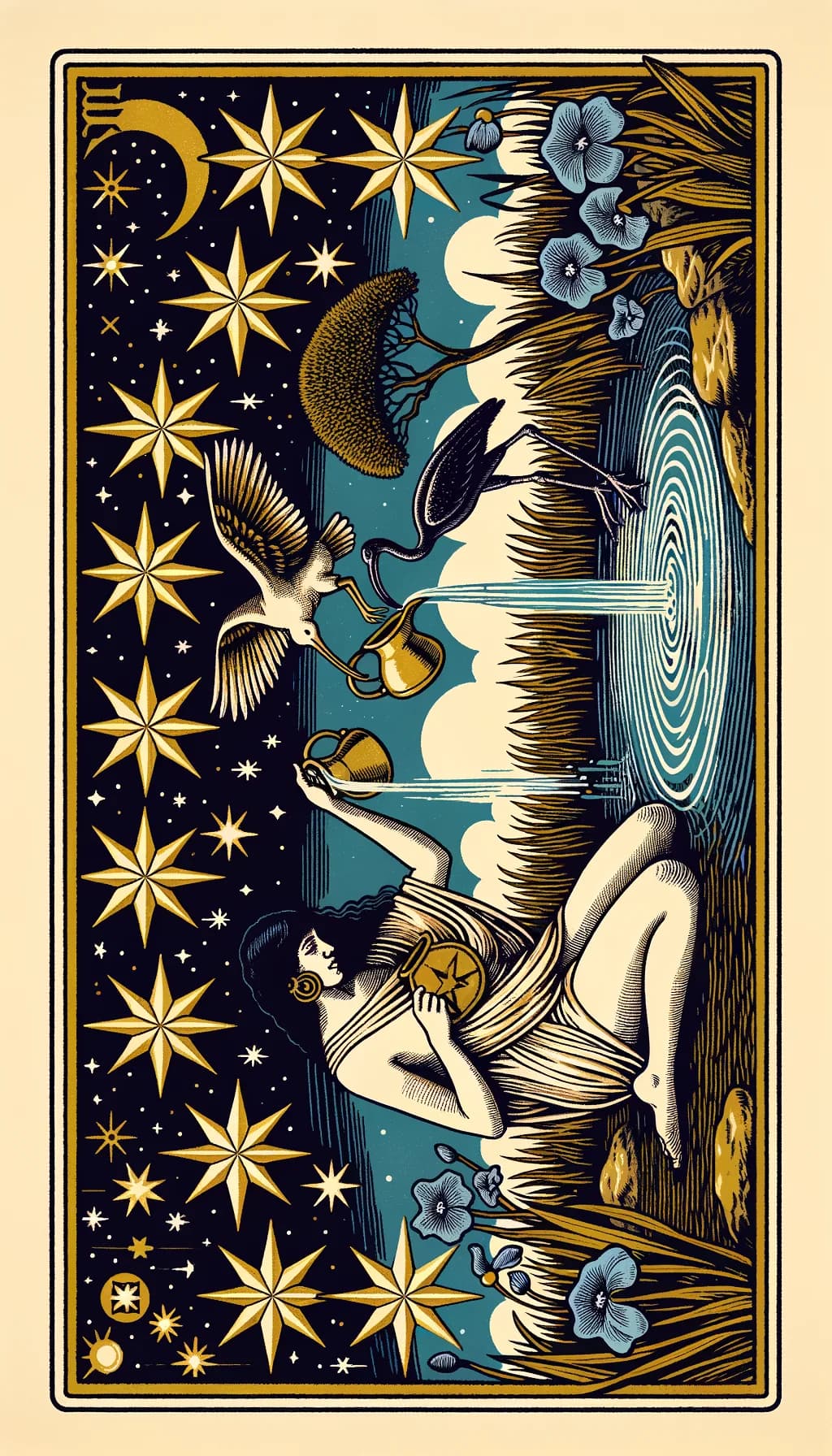
The Star's healing waters merge with the Ace's divine offering, creating a combination of profound spiritual renewal after a period of loss or crisis. This pairing specifically indicates that hope is not just an emotion but an actual force reshaping your circumstances. Expect emotional healing that feels cosmically timed — the right therapist, book, or conversation arriving precisely when your psyche is ready to receive it. Creative inspiration flows with unusual clarity and purpose.
Read full combination →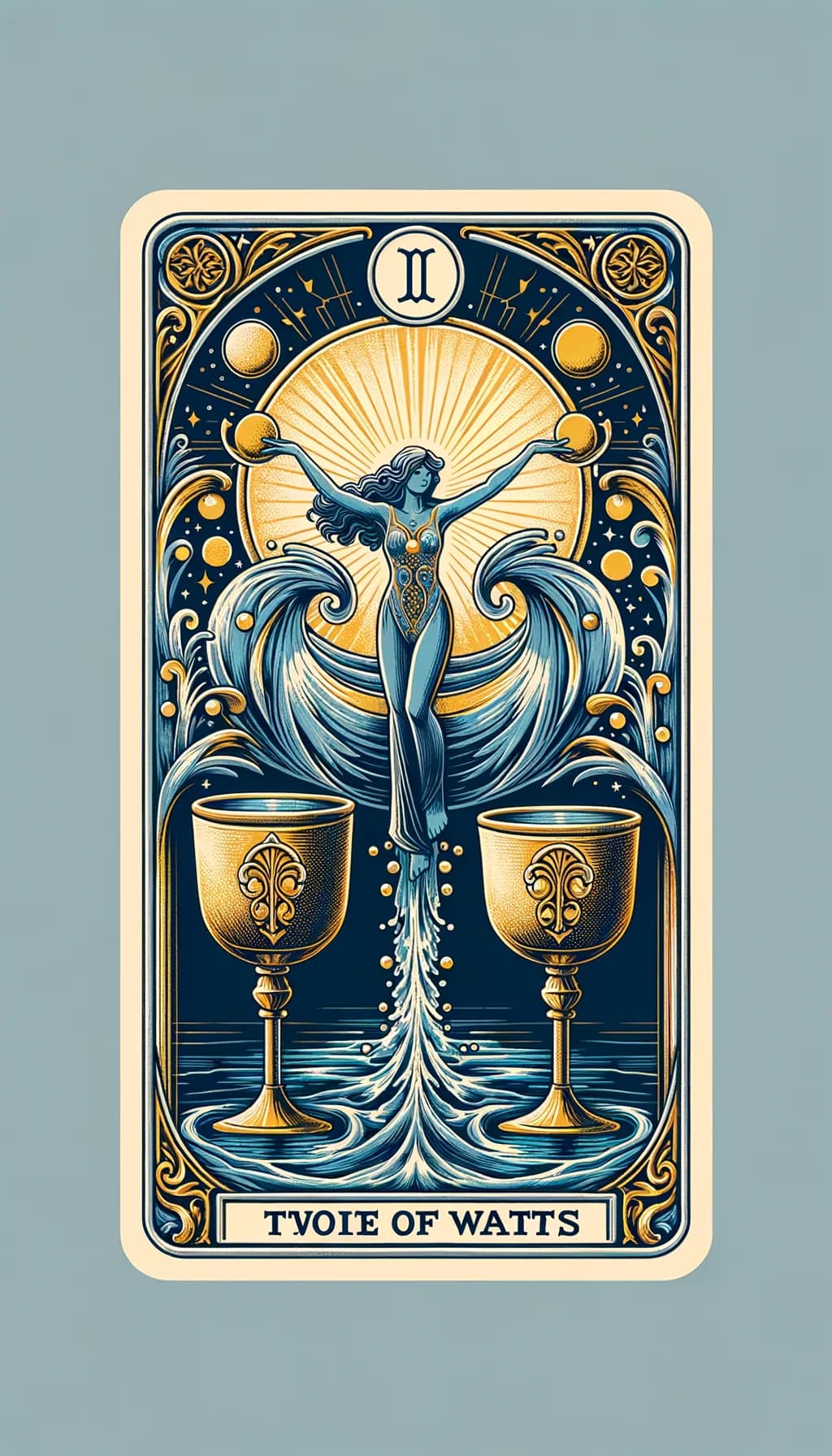
The seed of emotional potential (Ace) immediately finds its mirror in mutual connection (Two), making this one of tarot's strongest indicators of a new relationship that develops quickly into genuine partnership. Unlike pairings that suggest slow courtship, this combination implies rapid emotional recognition — the sense of already knowing someone upon first meeting. In existing relationships, expect a renewal of vows or a moment of mutual vulnerability that permanently deepens your bond.
Read full combination →
This initially jarring combination describes emotional breakthrough that arrives through disruption rather than gentle invitation. A sudden event — a revelation, a loss, an unexpected encounter — shatters an emotional structure you didn't realize was a prison. The Ace of Cups here represents the flood of genuine feeling that rushes in once defensive walls collapse. Painful in the moment but ultimately liberating, this pairing often accompanies cathartic crying, long-overdue confrontations, or the end of emotional repression.
Read full combination →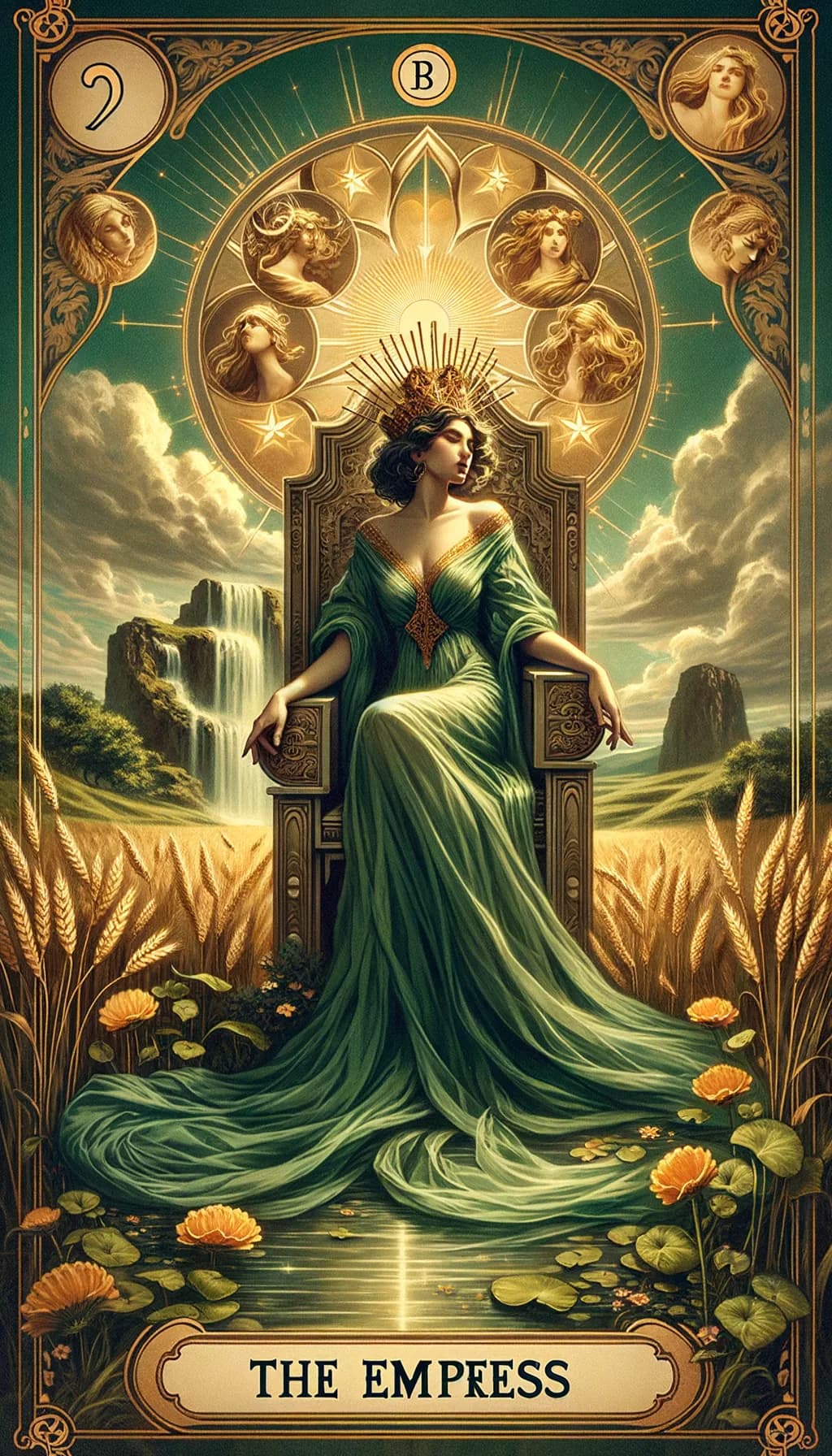
The Ace of Cups paired with The Empress is the tarot's most direct fertility combination — literal pregnancy, the birth of a creative masterpiece, or the beginning of a period so emotionally abundant it transforms your daily life. The Empress grounds the Ace's potential into tangible manifestation: the love becomes a relationship, the inspiration becomes a painting, the spiritual opening becomes a sustained practice. Expect sensory richness, physical tenderness, and creative output that feels effortless.
Read full combination →
This combination describes the simultaneous presence of grief and new emotional beginning — the understanding that loss and love coexist rather than cancel each other out. The Five's mourning figure is being offered the Ace's cup but may not yet see it. Practically, this pairing appears when someone is ready to love again after bereavement or heartbreak but still carries sadness. The message is not to wait until grief is finished (it never fully is) but to let new feeling flow alongside the old.
Read full combination →Journal Prompts for Ace of Cups
Describe a recent moment when you felt an unexpected surge of emotion — tenderness, grief, wonder — that you immediately suppressed or dismissed. What was your body doing in that moment, and what might have happened if you had let the feeling complete itself?
Write a letter to the version of yourself who first learned that emotional openness was dangerous. What specific incident taught you to guard your heart, and what would you say to that younger self now about the cost of that protection?
If your emotional life were a cup, describe its current state in precise sensory detail: what material is it made of, how full is it, what does the liquid inside look like, and who — if anyone — are you allowing to drink from it?
Reading Insights for Ace of Cups
Card Advice
When the Ace of Cups appears, immediately assess its position relative to surrounding cards to determine whether this emotional opening is approaching, currently active, or being blocked. As a root cause card, it suggests the situation stems from a genuine emotional need seeking expression. As an outcome card, it promises resolution through feeling rather than strategy. Notice whether Water-element cards dominate the spread — multiple Cups suggest you're in a deeply emotional period where rational analysis will be less useful than intuitive guidance. Pay attention to the querent's physical response when this card is revealed: a deep breath, tears, or a visible softening often confirms its relevance. Ask specific questions: 'What new feeling have you noticed recently that you haven't told anyone about?' or 'Is there something you've been wanting to create but haven't given yourself permission to begin?' The Ace of Cups rarely refers to situations already in progress — it marks beginnings, first stirrings, the moment before the moment. If the querent says 'nothing new is happening emotionally,' look to blocking cards in the spread and gently explore what defenses might be preventing reception.
As an Outcome
As an outcome, the Ace of Cups promises that your situation will resolve through love, compassion, and emotional healing. New beginnings await that will nourish your soul deeply. Expect a fresh emotional chapter that feels divinely orchestrated—whether through a new relationship, creative breakthrough, or spiritual awakening. The resolution will carry a sense of grace and inevitability, as though your heart has been preparing for this moment all along. Trust that what arrives will exceed your expectations in its depth and transformative power.
Ace of Cups as a Person
The Ace of Cups personality is someone who radiates pure emotional openness and spiritual receptivity. They walk into a room and others immediately feel a sense of warmth and welcome, as if a gentle wave of compassion has washed over the space. These individuals are natural empaths who experience life through the lens of feeling, often moved to tears by beauty, music, or acts of kindness. They possess an almost childlike capacity for wonder and an unguarded heart that inspires others to lower their own defenses. Their gift is the ability to make every person feel seen and valued, though they must learn to replenish their own emotional well.
Draw Ace of Cups in Your Reading
Ready to see how Ace of Cups appears in context? Get a personalized AI-powered tarot reading now.